
Session 1: Masterclass with Catherine Grant
11:00 - 12:30
In the first part of the day, Catherine will share examples of her work, breaking down how video essays are structured and how they use editing, rhythm and audiovisual material to think through ideas.
Session 2: Practical & Screening
13:30 - 17:30
The second session shifts into practice, with a hands-on introduction to DaVinci Resolve and a guided exercise where participants create a short video essay using a PechaKucha format.
Participants will move between watching, discussing and making, with time to develop a short piece and share it with the group. The session is open, supportive and exploratory, designed for those new to videographic work as well as those looking to deepen their approach. There will be opportunities for discussion, feedback and questions throughout.
Attendees are encouraged to bring their own laptop or tablet to the session for the editing part. If you don’t own a laptop, then we will provide one for you.
We will be using DaVinci Resolve for Session 2. Please be prepared with the software in your computer before the session. For any of you not familiar with DaVinci Resolve, we can provide a quick introduction at the beginning of Session 2.
Session 2 will also be focusing on Carnival of Souls, a classic cult thriller from 1962. You can watch and download the film here: https://archive.org/details/CarnivalofSouls
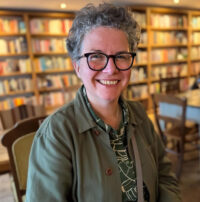
Catherine Grant is an internationally recognised figure in videographic film criticism and formerly Professor of Digital Media and Screen Studies at Birkbeck, University of London. Her work explores how moving image and sound can be used to think through cinema, rather than just illustrating ideas. She has published widely on film style, spectatorship, and audiovisual analysis, and her videographic essays have been featured in Sight & Sound’s Best Video Essays of the year on multiple occasions. Catherine is also the founder of [Film Studies For Free], a widely used resource for film scholarship, and has played a leading role in shaping videographic criticism as a creative and critical practice.
ABOUT LMF
Let’s Make Films (LMF) are a Liverpool based organisation providing opportunities to discover filmmaking through: Workshops, Networking Events, Short Film Showcases, and Production Support.