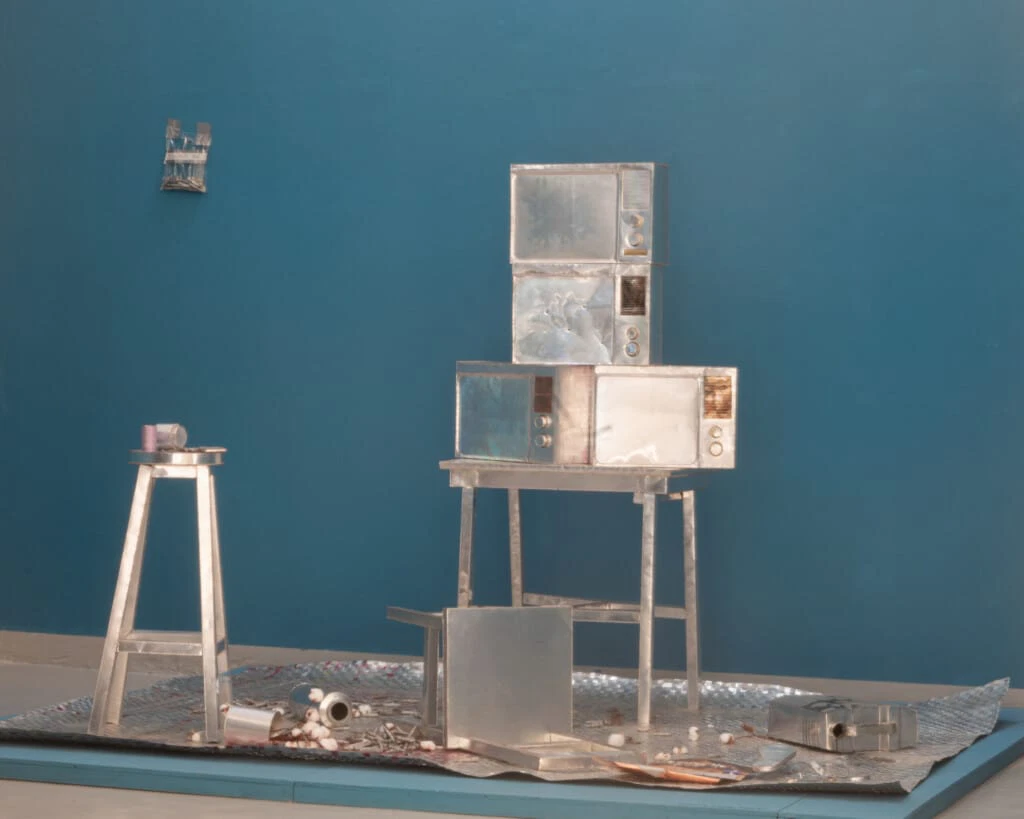
Nandan Ghiya’s new sculptural work, co-commissioned with Public Arts Trust India, interprets the Samudra Manthana – a major episode in Hinduism that translates to ‘churning of the ocean’ in Sanskrit. Drawing inspiration from the textiles and patterns of heritage buildings in both Liverpool and Jaipur, the artist creates ‘sculptural photographs’ to explore themes relating to the exploitation of natural resources, rising water levels and racial conflicts.
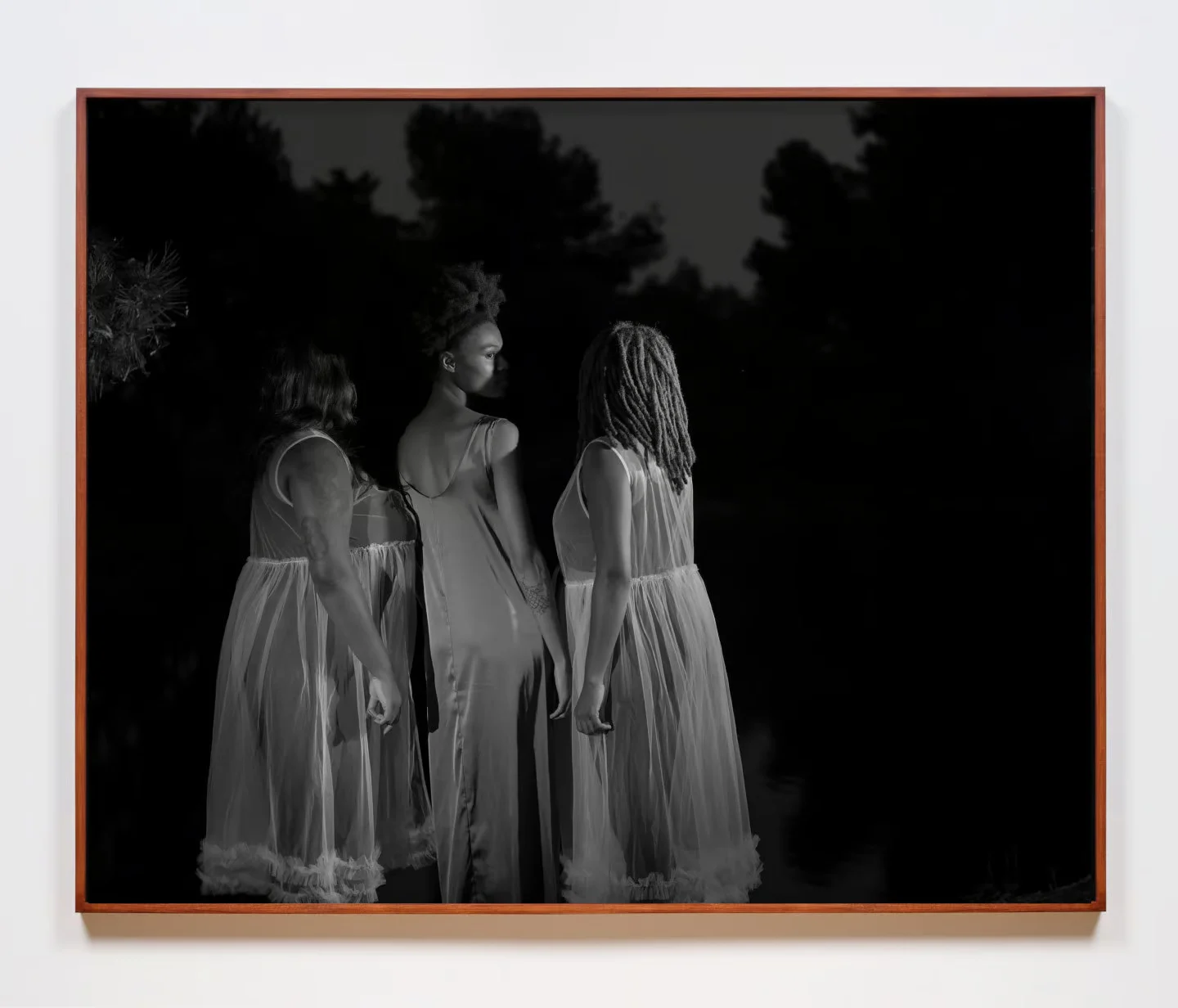
In Gallery 2, Widline Cadet presents an exhibition of photography works created between 2021 and 2024, centring around her family’s lived experience of emigrating from Haiti to the United States. The works explore the complexities of Black diasporic life and survival, as well as the fragility of memory, using motifs which refer to her past and her ancestry.
Upstairs, Katarzyna Perlak presents a new, collaborative film set in the bedrooms, hallways and ballrooms of the iconic Adelphi Hotel, once a popular destination for wealthy travellers on their way by boat to North America via Liverpool. Co-created with local award-winning filmmaking organisation First Take and participants from their REEL: Queer programme, the film adopts a non-linear, poetic narrative and references the genre of horror to explore longing and Queer identity. The artist also shows work at Walker Art Gallery.
Liverpool Biennial returns this summer once again showcasing cutting-edge contemporary visual art across the city region. Running alongside it is the Independents Biennial, with 22 newly commissioned works by 64 artists. Independents Biennial sets out to highlight the incredible work of the city’s grassroots artists, an integral part of the backbone of Liverpool’s creative scene.
Independent galleries and Liverpool’s creative networks are placed into the spotlight, as artists are given a chance to make a name for themselves in the UK’s largest and longest-running free festival of art, as well as celebrating Liverpool’s creativity and cultural significance.
What makes the Independents Biennial truly special is its commitment to non-traditional spaces. Art isn’t just confined to galleries – the festival utilises all spaces to showcase its artists work, including Hilbre Island off the coast of the Wirral, Belle Vale shopping centre and empty units in St Helens town centre. It celebrates the versatility of art, and how artists can use any space and turn anything into phenomenal, thought-provoking pieces of art.
Independents Biennial will span each of Liverpool’s six boroughs, with each location offering something unique and inspirational. Sefton, Knowsley, Wirral, St Helens, Halton and Liverpool city centre will host these 64 independent artists and provide them and their work with a home for the summer.
Independents Biennial: Our Highlights
While the entire programme promises to be unforgettable, we’ve picked out a few exhibitions that are especially worth checking out…
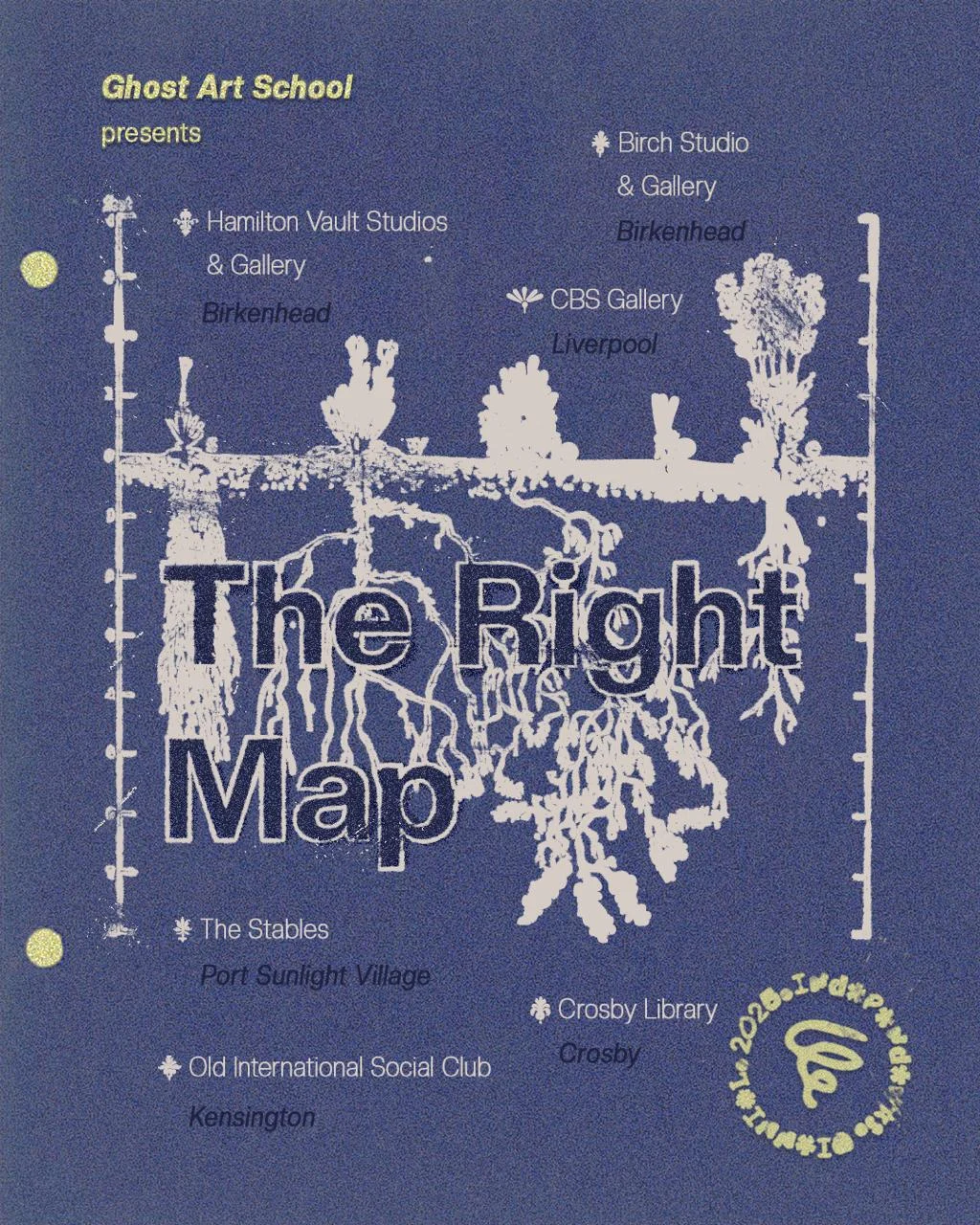
The Right Map by Ghost Art School
You won’t want to miss The Right Map by Ghost Art School, a collective that exists between margins and creates art that challenges the conventions of traditional institutions. The Right Map is described as “a constellation of art exhibitions across Liverpool, unfolding under the banner of the Independents Biennial.” It brings together a series of exhibitions across the city region, including UNSTABLE in Port Sunlight, In Search of Swallows and Amazons in Kensington, Account in Birkenhead, and Slipstream on Blundell Street in the city centre.
Tom Stockley and Ruaíri Valentine
Building on this theme of place and disruption, Tom Stockley and Ruaíri Valentine bring their deep dive into Wirral psychogeography to the festival with Weird Wirral. Inspired by a gothic poem, the duo turns to folklore and legend, guiding us through the shorelines and landscapes of the Wirral to uncover traces of magic and forgotten stories hidden in the land.
Claire Beerjeraz
Meanwhile, at the Victoria Gallery, Claire Beerjeraz offers a powerful reflection on the legacies of colonialism and slavery. Their multidisciplinary exhibition explores how these histories are displayed, contained, and remembered within institutional spaces. With a tapestry of spoken word and clay, Claire weaves together personal and collective memory, urging us to look beneath the surface of memorials and museum walls—and to reimagine how art institutions can hold space for difficult truths.
Amy Flynn Technofossils
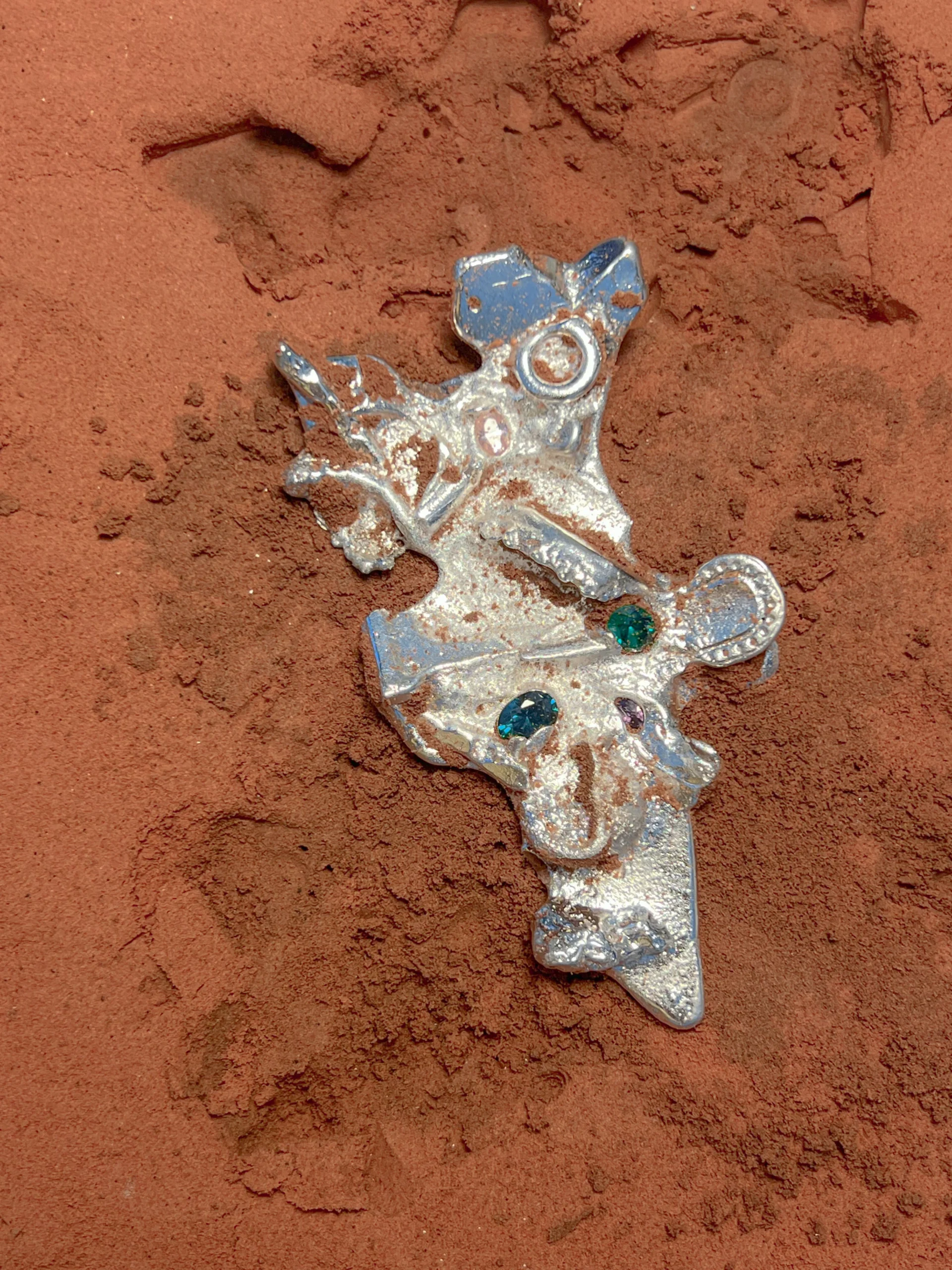
Amy Flynn Technofossils
In another standout piece, artist Amy Flynn invites us to consider the legacy of our modern waste through Technofossils—human-made objects and materials that will persist in the geological record for millions of years. Her pewter cast sculptures are deliberately alluring at first glance: sparkling gemstones and shiny metals entice the viewer in. But look closer, and you’ll find the contours of outdated mobile phones and discarded plastic food containers—rubbish masquerading as treasure. This journey through desire and disgust mimics the cycle of consumerism, exploring themes of duality: artificial/organic, worthless/precious, temporary/permanent, growth/decay.
Venus in Transit: A Cosmic Journey Through Liverpool
Explore Liverpool’s history through a cosmic lens in this bold, multi-part project that blends astrology, storytelling, and live art. Back in 1639, Toxteth-born astronomer Jeremiah Horrocks became the first person to observe the transit of Venus across the Sun—a pivotal moment in the history of astronomy. In astrology, Venus is associated with beauty and creativity, and this project asks how these Venusian themes have helped shape Liverpool’s identity across the centuries. This is part one of a collaboration between Independents Biennial and the Museum of Liverpool’s Global City series—and promises to be an unforgettable deep dive into the city’s star-studded past and artistic present.
Discover the full Independents Biennial programme
Independents Biennial will take place across Liverpool from 7 June to 14 September 2025. This year’s festival is already shaping up to be one of the most exciting yet. With so much to explore, experience, and be inspired by, Independents Biennial is a must for anyone looking to make the most of the city’s creative summer—it’s definitely at the top of our plans!
Liverpool Biennial returns this summer, transforming the city with bold and thought-provoking contemporary art across public spaces, galleries, and unexpected venues.
What is Liverpool Biennial?
Founded in 1998, Liverpool Biennial is the UK’s largest free festival of contemporary art. Since then, it’s presented over 560 artists and created nearly 400 artworks — many of which remain permanently in the city, like Liverpool Mountain at the Albert Dock or The Hummingbird Clock in Derby Square and even The Dazzle Ferry that takes visitors too and from the Wirral every day. The Biennial has presented work by over 560 leading artists, delivered 34 collaborative neighbourhood projects, and received over 50 million visits.
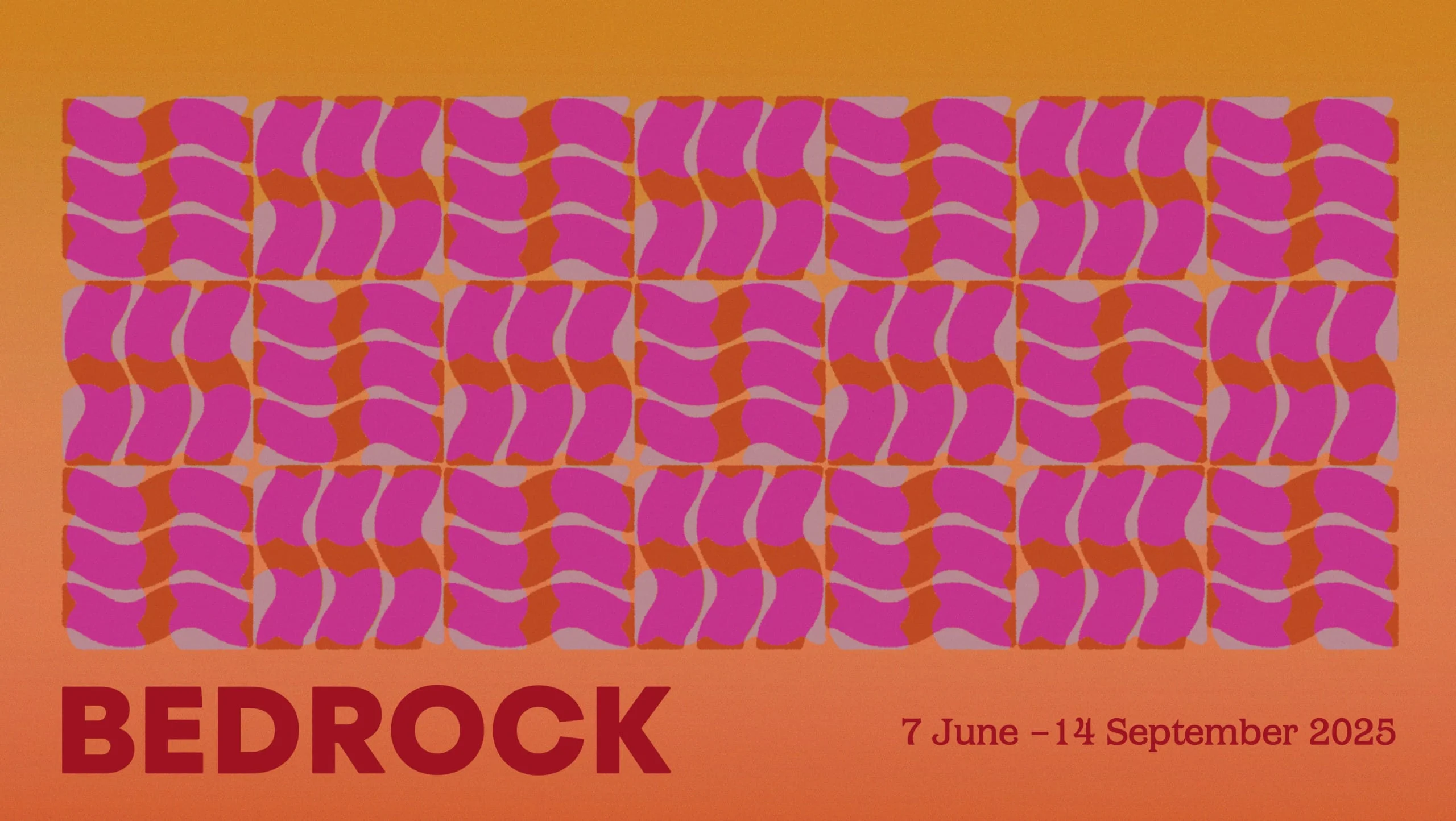
2025 Theme: BEDROCK
This year’s theme is BEDROCK, inspired by Liverpool’s sandstone geology and its deeper social foundations — from family and heritage to community and colonial legacies.
Liverpool Biennial curator, Marie-Anne McQuay said: “The city’s geological foundations and its psyche have provided the starting point for the conversations of Liverpool Biennial 2025, with the invited artists bringing us their own definition of ‘BEDROCK’.”
Three Programme Weekends
The festival unfolds across three key weekends, each focusing on a different layer of BEDROCK:
7–8 June: Civic and colonial history
25–27 July: Family and the things that ground us
12–14 September: Geology and the passage of time
Liverpool Biennial 2025 events and exhibitions:
Here is an insight in what kind of artwork and artists to expect at this year’s Liverpool Biennial 2025.
Outdoor Works:
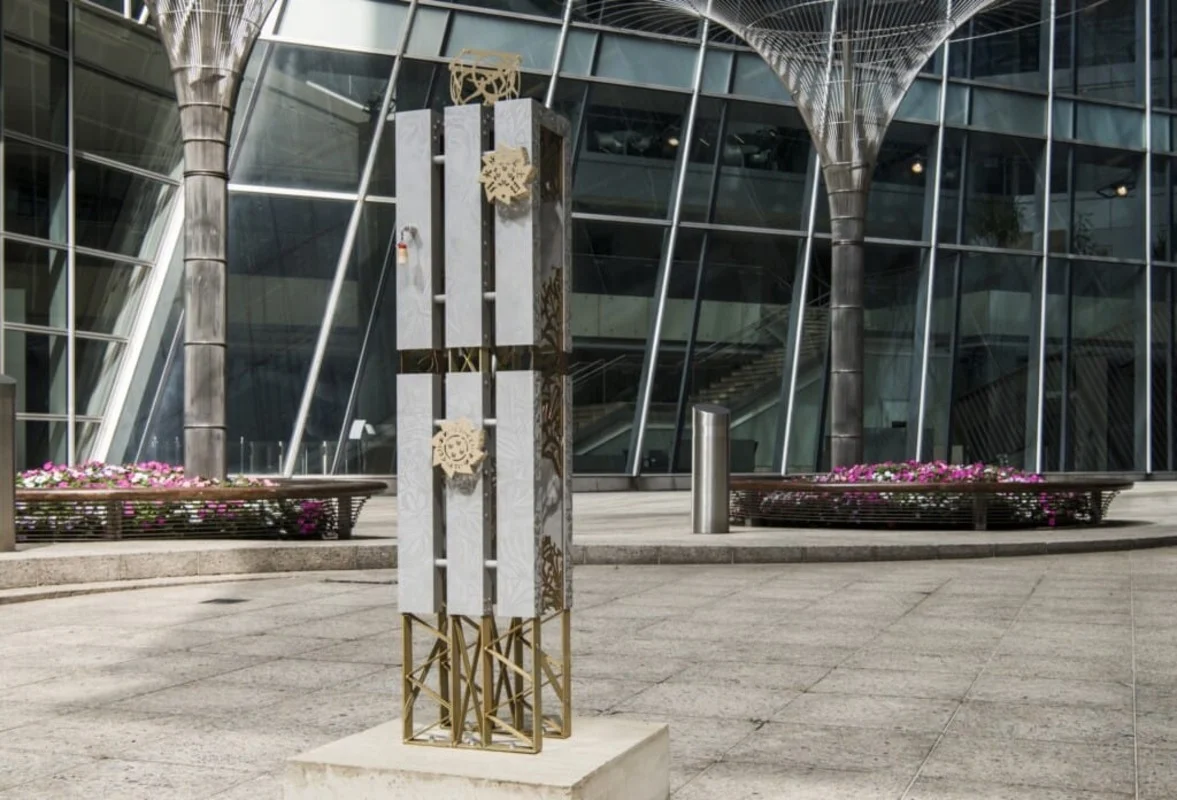
Anna Gonzalez Noguchi, Real Feel 90, 2021. Courtesy of the artist and Canary Wharf, London. Photography by Sean Pollock
Alice Rekab — A multi-city (Liverpool and Edinburgh) billboard project with students, exploring identity and belonging. In partnership with Edinburgh Art Festival. (Liverpool ONE).
Anna Gonzalez-Noguchi — Botanical-themed sculpture inspired by the historical import of ‘foreign’ plants into Liverpool, engraved with records of the city’s botanical collections. (Mann Island).
Petros Moris — Mosaic works inspired by abandoned playgrounds and personal history (The Oratory, Liverpool Cathedral).
Isabel Nolan — A steel and concrete sculpture inspired by a drawing of a stained-glass window held in the St Nicholas Pro-Cathedral archive and the leadwork in the windows of Liverpool Metropolitan Cathedral’s Lutyens Crypt. (St Johns Gardens)
Further works will be exhibited in some unexpected places around the streets of Liverpool:
Anna Gonzalez-Noguchi – Eurochemist, Berry Street.
Amber Akaunu – New film Dear Other Mother exploring matriarchal community in Toxteth.
Odur Ronald – Large installation of aluminium passports reflecting African migration.
ChihChung Chang 張致中 – Ship model-based work reflecting family and naval history, also at Pine Court.
FACT
Kara Chin, The Park is Gone, 2022. Image courtesy of the artist.
Kara Chin – Interactive installation combining urban motifs with manga and gaming aesthetics.
DARCH – Sound and ceramic work with Sefton residents about land, roots and belonging.
Linda Lamignan – Film exploring animism, palm oil extraction and Nigeria–Liverpool histories.
Liverpool Cathedral
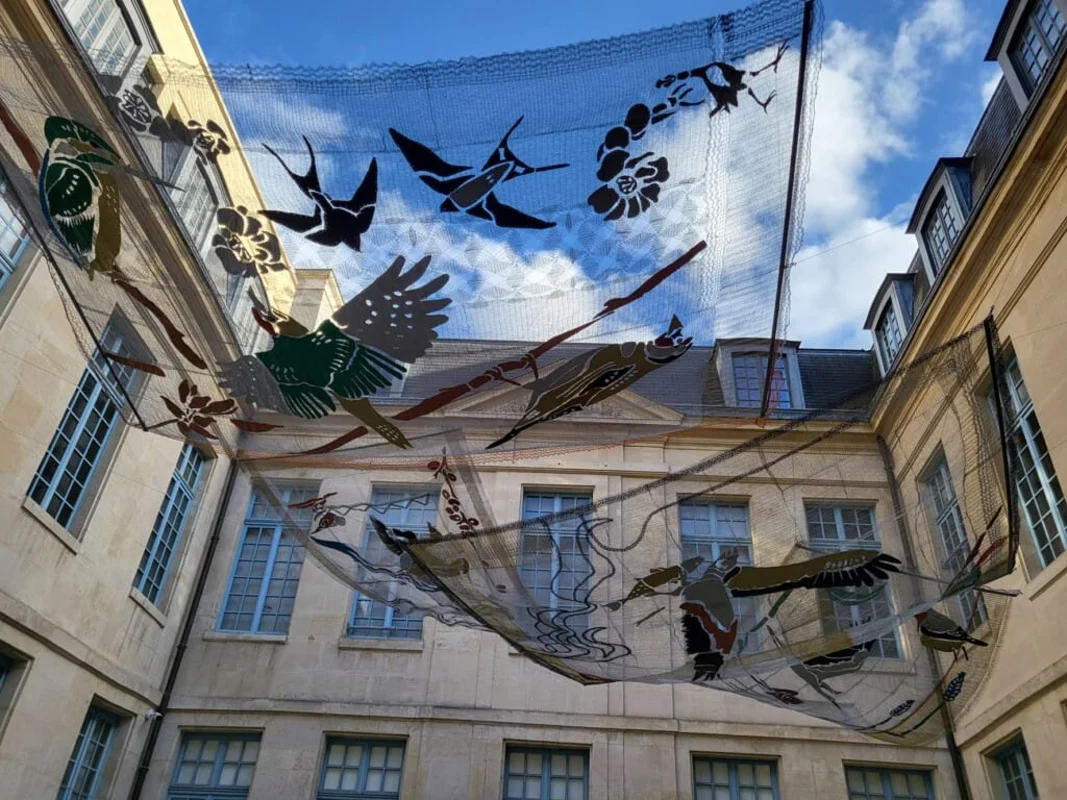
Maria Loizidou, Moi Balbuzard Migrant, 2023, Musee de la Chasse et de la Nature, Paris 2023-24. Photography by Maria Lund.
Ana Navas – Glass collages inspired by historic female portraiture and local embroidery archives.
Maria Loizidou – Crocheted tapestry of migratory birds highlighting themes of migration and survival
Liverpool Central Library
Dawit L. Petros, The Open Boat, 2024. 3D Print. Courtesy of the Artist and Tiwani Contemporary, London. Photography by Dawit L. Petros
Dawit L. Petros – Dawit presents a research project at Liverpool Central Library that aims to re-read a historic military expedition to the River Nile from 1884-1885 – a British-led expedition which included 379 Voyageurs from across Canada and Quebec including French Canadians, Western Canadians and First Nations. The installation, which has been developed through a residency at Liverpool John Moore’s University, includes sound, video, books and archive material gathered and created in response to Liverpool’s own archives related to shipping and empire.
Open Eye Gallery
Widline Cadet, Santiman fantom (Ghost Feelings), 2023. Courtesy of the artist and Nazarian / Curcio.
Nandan Ghiya – Sculptural photographs inspired by Hindu mythology and colonial resource extraction.
Widline Cadet – Photographic exploration of Haitian-American diasporic memory.
Katarzyna Perlak – Horror-inspired queer film set in Liverpool’s Adelphi Hotel. Co-created with local award-winning filmmaking organisation First Take and participants from their REEL: Queer programme, the film adopts a non-linear, poetic narrative and references the genre of horror to explore longing and Queer identity.
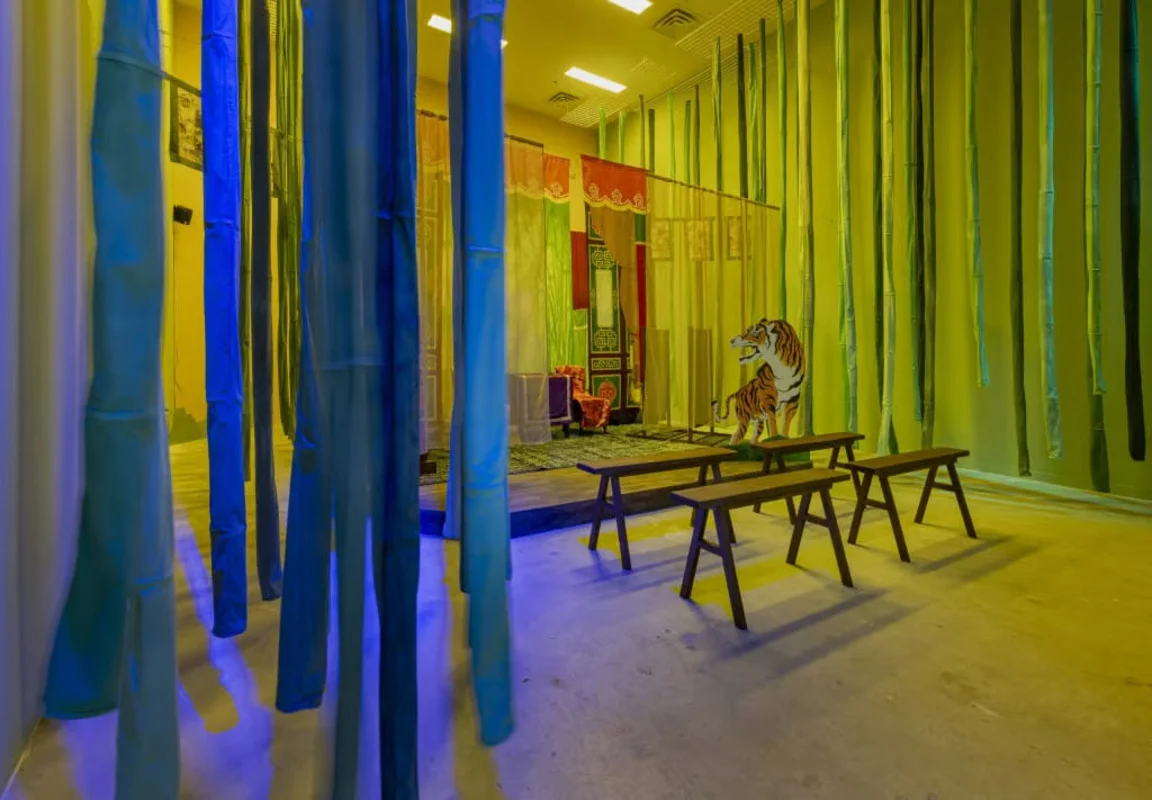
Karen Tam 譚嘉文, Scent of Thunderbolts, 2024. Courtesy of the artist and Toronto Biennial of Art. Photography by Toni Hafkenscheid
Karen Tam 譚嘉文 – Multimedia piece on Cantonese opera and sonic memory in diaspora.
ChihChung Chang 張致中 – Charcoal rubbing artwork depicting Liverpool’s Chinese Arch. The resulting film documenting the process will be exhibited at Pine Court.
Tate Liverpool + RIBA North
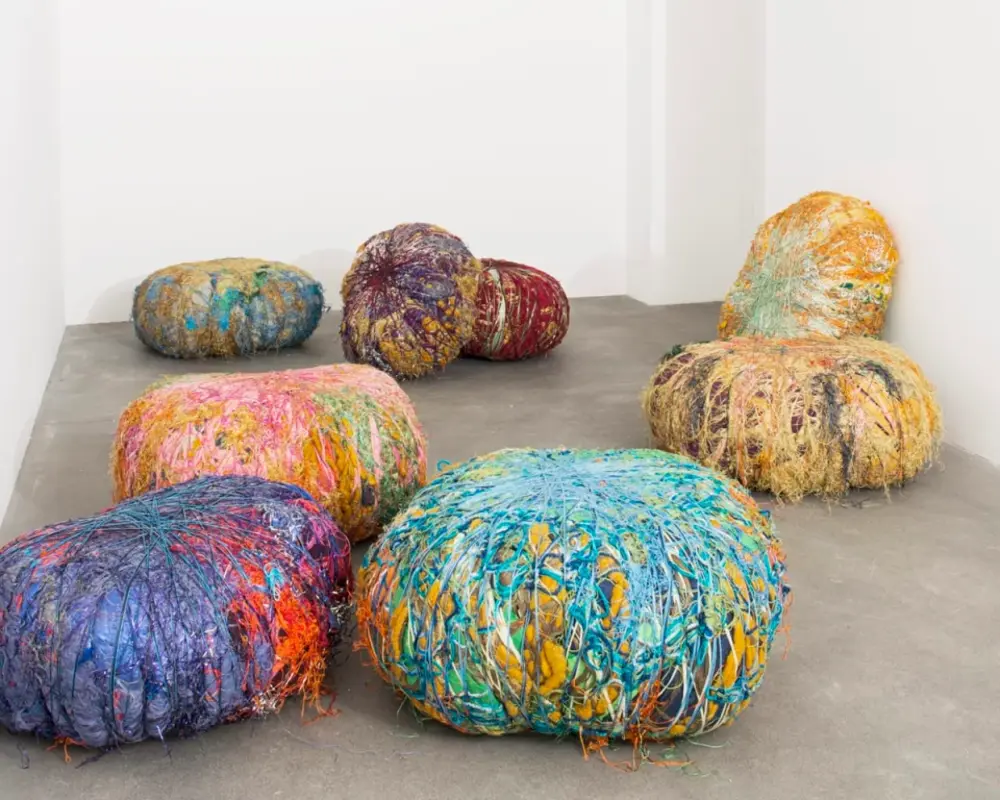
Sheila Hicks, Grand Boules, 2009. Courtesy Alison Jacques, London and Sheila Hicks. Photography by Michael Brzezinski.
Hadassa Ngamba – Congo cartography-inspired paintings using colonially extracted materials.
Mounira Al Solh – Drawings based on dialogues with displaced communities.
Fred Wilson – African flag paintings stripped of colour to question identity and representation.
Sheila Hicks – Textile ‘memory balls’ made from garments of friends and family.
Christine Sun Kim – Infographic drawings on sound, communication and Deaf culture.
Where the Work Begins – A display curated by RIBA that explores the connection between art and architecture.
Further highlights include sculptural works by Cevdet Erek which measure the passing of time and relationships, photography and sculpture by Dawit L Petros and a new textile work by Antonio Jose Guzman & Iva Jankovic.
The Black-E
Elizabeth Price, THE WOOLWORTHS CHOIR OF 1979, Installation view. Photography by Michael Pollard
Elizabeth Price – Film on post-war Catholic Modernist churches and architectural trauma.
Walker Art Gallery
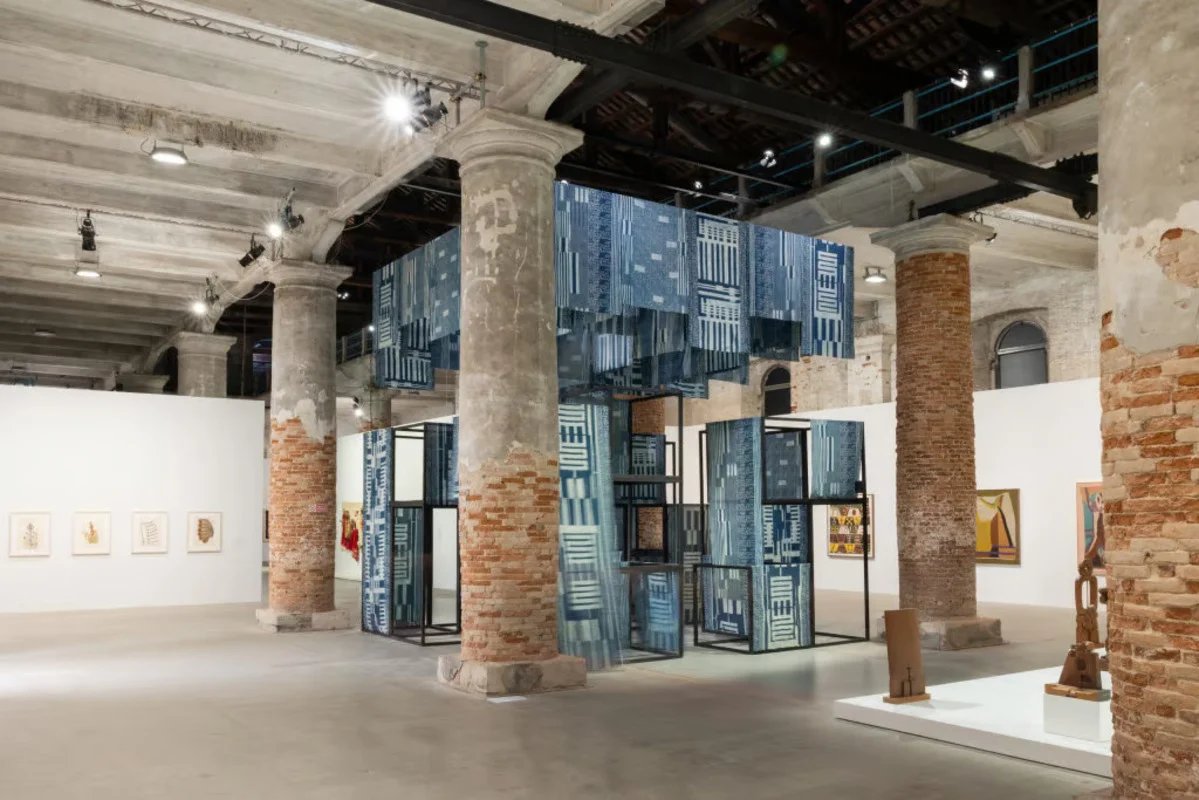
Antonio Jose Guzman & Iva Jankovic, Orbital Mechanics, 2024. 60th Venice Biennial. Photography by Giorgio Silvestri
Antonio Jose Guzman & Iva Jankovic – Concrete Roots, textile and dub-based installation on resilience.
Leasho Johnson – Vivid paintings challenging narratives around the Black queer body.
Nour Bishouty – Multimedia work on tourism, memory and fictional landscapes.
Jennifer Tee – Tulip-petal collages inspired by Tampan textile patterns.
Further highlights include cast resin works of Dream Stones by Karen Tam 譚嘉文; a new, large-scale textile and embroidery work by Katarzyna Perlak; wall-based works by Cevdet Erek inspired by football stadia layouts; paintings and tapestries of fictional landscapes by Isabel Nolan; and a mosaic work by Petros Moris presented in the Sculpture Gallery.
20 Jordan Street
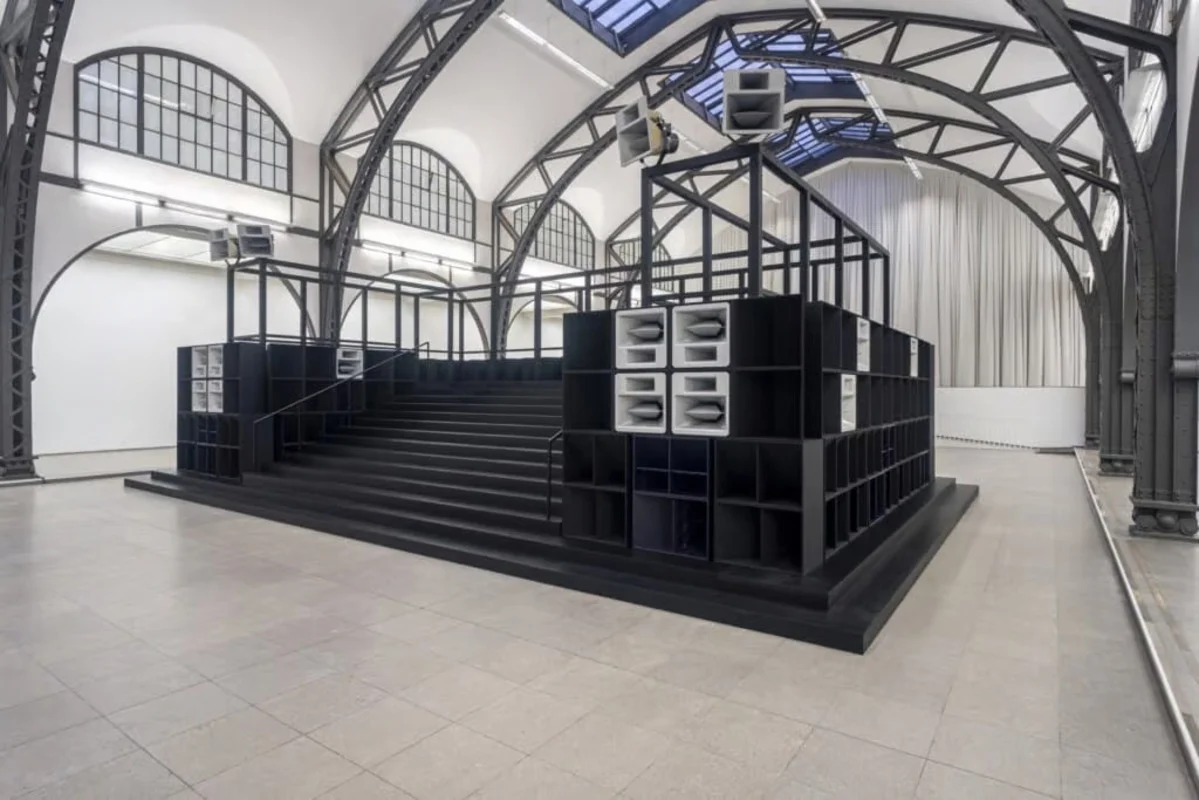
Cevdet Erek, Bergama Stereo, 2019. Hambuger Bahnhof Museum fur Gegenwart, Berlin, Germany. Courtesy of the artist. Photography by Matthias Volzke.
Cevdet Erek – Immersive sound installation replicating the energy of a football stadium.
Imayna Caceres – Clay-based installation imagining Liverpool’s lifeforce through mud and nature.
Learning Activities
For families, a storybook designed with input from attendees at Liverpool Biennial’s regular family workshops at Liverpool Central Library, will help children and young people explore ‘BEDROCK’. Elsewhere, artist-led workshops, inspired by Biennial projects will happen throughout the summer holidays.
For schools and the wider community, the Liverpool Biennial Learning Programme also includes a selection of online and physical resources developed with teachers across the city to bring Liverpool Biennial 2025 to life in the classroom.
To find out more about the full Liverpool Biennial programme and plan your visit, head to the Liverpool Biennial website.
To discover more events happening across the Liverpool city region visit our What’s On listings.
The independent strand of Liverpool Biennial launched as Tracey in 1999. Featuring artists not engaged in the main programme, it played a vital role in revealing the city through exhibitions, interventions and performances across multiple spaces and sites, reflecting the energy of the local scene.
As the Independents Biennial again invites international artists to show alongside those from the city region, this archival display is a reminder of its origins. Included are documentation, publicity material and other ephemera drawn from the Bluecoat and other archives, as well as some original artworks from the early years.
Liverpool is a city full of Irish culture. There is always something happening that you join in with. Below is a lit of regular and recurring activities, delivered by our that you can pick up at any time.
Liverpool Irish Centre
The Liverpool Irish Centre runs a shop full of Irish produce, open 7-days a week. It receives Irish food deliveries fortnightly on a Wednesday/Thursday. The main bar hours are Fri and Sat, 2pm-midnight and Sun, 12.30pm-9pm, with live music 4/5pm. Follow them online to stay up to date with events. The venue is a hireable space and can be booked for parties or functions. The recurring programme looks like this:
Monday
Gardening class,10am, The Shed
Comhaltas, 6.30pm
Tuesday
Sequence dancing, 1pm
Liverpool Irish Choir, 6.30pm
Wednesday
JJ’s lunch club, 1pm
Yoga, 6pm
Irish language, 6-8pm
The Lowlands, 7pm
Liverpool Irish Fluteband, 7.30pm
Thursday
Tea dance/Bingo, 1pm
Irish language, 6pm
Bolger-Cunningham Irish dance, 6.30pm
Liverpool Irish Rovers social run, 6.30pm
Friday
25 cards, 9pm
Saturday
Bolger-Cunningham Irish dance, 10am
Tin whistle class, 10.30am, The Shed.
In addition, Liverpool Irish Rovers run regularly through the week. Contact them directly to join. The Centre runs Supper Céilí on the last Wednesday of every month at 8.30pm and hosts a monthly seisiún on the third Sunday of every month.
Comhaltas
Running classes regularly at the Liverpool Irish Centre, Comhaltas is your go to organisation for anything relating to Irish music. See day listing above for class times.
Conradh Na Gaeilge Learpholl
Irish language is on the rise again, not least because of the astounding work done at community level by groups such as Conradh Na Gaeilge Learpholl. Based at Liverpool Irish Centre, there are all sorts of lessons to join in with. Look at the day lists above for details of Wed/Thurs clubs. They also host Lon Gaeilge sessions at 12.30pm on the first Friday of every month at The Railway on Tithebarn Street. Guests to this are invited to bring 10 new words per session to use in conversation. Conradh Na Gaeilge Learpholl are the lead organisers of the annual Tony Birtill memorial lecture and scholarship.
Irish Community Care Merseyside
With 60-years of Irish community championing, Irish Community Care Merseyside is a first port of call for those needing to access welfares services. It undertakes year-round work to improve life-chances and build communities.
Liverpool Irish Famine Trail
Conserved and updated by Liverpool Irish Festival, the Liverpool Irish Famine Trail has an app and self-guided maps that you can take yourself through. There ar recurring walks taking place across the year – see our events page using the Events menu above, or this link.
The Institute of Irish Studies, University of Liverpool
An academic centre of excellence with a year round programme of events, talks, activities and archives to share. Sign up for their events mailings.
What does community taste like? In response to The Plant That Stowed Away, Tate Liverpool’s current display, create your own tea blend that reflects the flavours, tastes and migration stories of Liverpool. Discover connections between the city and its tea trading history.
This workshop, led by Michael Zee, explores different teas, spices and flavourings in a scouse version of “yum cha”, the Cantonese morning meal with tea and dim sum. Are you a red or a blue? As you create your tea blends, you can choose either red or blue baozi (steamed dumplings) that represent the two sides of the city.
Please note that this event will take place at Metal Culture, Edge Hill Station, Tunnel Road, Liverpool, L7 6ND.
Biography
Michael Zee is a cook, food photographer and writer. He grew up working in his father’s Chinese and English chippies in Liverpool. He created the Instagram page SymmetryBreakfast and recently published his second cookbook, Zao Fan: Breakfast of China.
Chris Shaw’s photographic series captures the battle between nature and the urban landscape in his hometown of Wallasey. The images show the resilience of plants as they break through tarmac and emerge from the water of the docks. Making the weed his subject, Shaw takes a traditionally unwanted and invasive species and shows the beauty in overlooked places.
Our display The Plant that Stowed Away takes its title from one of these photographs. The display looks to the series as a starting point to explore ideas of migration and the movement of people. Starting in Liverpool and its surroundings, we travel across time and geographies through works from the Tate Collection.
Join Dr Christine Eyene and Chris Shaw for an exciting discussion. They will discuss the agency of plants and the importance of maritime enterprise in Liverpool. Looking closely at Weeds of Wallasey, they will explore the importance of natural forms to the development of the city.
Biographies
Chris Shaw
Chris Shaw (born 1961) is a documentary photographer from Wallasey. He studied photography at art school then went on to document his experience working as a hotel night porter in London from 1993-2004.
His project Weeds of Wallasey began when he went to visit his ailing father. Having found his original plan of photographing his parent too emotionally difficult, Shaw instead turned the camera on the area where he grew up, searching for life and nature amongst the industrial backdrops.
Dr Christine Eyene
Dr Christine Eyene is an art historian, critic, and curator. She is Senior Lecturer in Contemporary Art at Liverpool John Moores University (LJMU) and Research Curator at Tate Liverpool. Her curatorial practice encompasses global contemporary arts, with a particular interest in African and Diaspora arts, feminism, photography, and sound art.
Since 2021, she has been developing research on the theme of ‘Botanical Histories and Colonial Legacies’, exploring the memory of the land in rural Cameroon, the movement of plants, traditional knowledge, and colonial histories. This research informed The Plant that Stowed Away at Tate Liverpool + RIBA North and the coinciding display What the Mountain Has Seen at LJMU.
Accessibility
Tate Liverpool is temporarily located at RIBA North, Mann Island, a short distance (425m) along Liverpool’s iconic waterfront. There is step free access to the main entrance. There is a lift to the first floor gallery, or alternatively you can take the stairs.
Toilets are located on the first floor
The nearest Changing Places toilet is located at the Museum of Liverpool
Ear defenders are available to borrow. Please ask a Visitor Engagement Assistant
Additional seating is also available. Please ask a member of staff if you require assistance.
To help plan your visit to Tate Liverpool + RIBA North, have a look at our visual story. It includes photographs and information of what you can expect from a visit to the gallery.
Join us for a special day of art, music and performances with a chance to explore our display The Plant that Stowed Away. Get creative with a display-themed workshop and learn more about the movement of plants in Liverpool.
Accessibility
Tate Liverpool is temporarily located at RIBA North, Mann Island, a short distance (425m) along Liverpool’s iconic waterfront. There is step free access to the main entrance. There is a lift to the first floor gallery, or alternatively you can take the stairs.
Ear defenders are available to borrow. Please ask a Visitor Engagement Assistant
Additional seating is also available. Please ask a member of staff if you require assistance.
To help plan your visit to Tate Liverpool + RIBA North, have a look at our visual story. It includes photographs and information of what you can expect from a visit to the gallery.
We Were There: How Black Culture, Resistance and Community Shaped Modern Britain by Lanre Bakare is about a Black Britain that for too long has been unknown and unexplored – the one that exists beyond London.
Lanre Bakare has a stellar reputation as a Guardian writer, covering the intersection of art, race and culture. Lanre believes that when people think about the recent history of Black Britain, they inevitably think of London. Having grown up in Bradford, Bakare wanted to write a corrective to that; this book is that corrective. He takes us on an epic journey across the UK, visiting Birmingham, Liverpool, Cardiff, Bradford, Wigan, Manchester and more.
Join us for an insightful event with Bakare and special guests, as he spotlights the extraordinary voices and stories of Black Britons and Black British culture.
We Were There: How Black Culture, Resistance and Community Shaped Modern Britain will be available to buy at this event.
Biography
Lanre Bakare was born in Bradford, West Yorkshire. He is a correspondent covering arts and culture for the Guardian, where his writing focuses on the intersection of art, race and culture across multiple disciplines. He was senior correspondent on the award-winning Cotton Capital project and has worked in New York and Los Angeles as part of the Pulitzer Prize-winning Guardian US team.
Accessibility
Tate Liverpool is temporarily located at RIBA North, Mann Island, a short distance (425m) along Liverpool’s iconic waterfront. There is step free access to the main entrance. There is a lift to the first floor gallery, or alternatively you can take the stairs.
Ear defenders are available to borrow. Please ask a Visitor Engagement Assistant
Additional seating is also available. Please ask a member of staff if you require assistance.
To help plan your visit to Tate Liverpool + RIBA North, have a look at our visual story. It includes photographs and information of what you can expect from a visit to the gallery.
Tate Liverpool + RIBA North will be open late to celebrate the 13th edition of the Liverpool Biennial.
The 2025 Biennial is titled BEDROCK and is inspired by the physical and social foundations of Liverpool and the people, places and values that ground us.
Drop into our galleries to experience works from Tate’s collection including Christine Sun Kim, Sheila Hicks, Fred Wilson and Mounira Al Solh, alongside Cevdet Erek, Antonio Jose Guzman & Iva Jankovic and Hadassa Ngamba, making her debut in the UK.
Keep in touch
Newsletter
Sign up to keep up to date with what's on in the city and the region!