
By Mars Omitoyin
Spring is a brilliant time to explore exhibitions and cultural events across Liverpool and the wider region, with galleries and museums unveiling new shows that span everything from ancient treasures and global art movements to climate activism and the future of artificial intelligence. Whether you’re looking for a family-friendly day out, a thought-provoking exhibition, or something a little unusual after dark, there’s plenty to discover over the coming months.
From interactive installations and rare historical artefacts to atmospheric evening experiences and celebrations of local creativity, these events highlight the breadth of the North West’s arts and heritage scene. Here are some exhibitions and events worth adding to your diary.
Treasure: History Unearthed, Museum of Liverpool (Until 29 March)
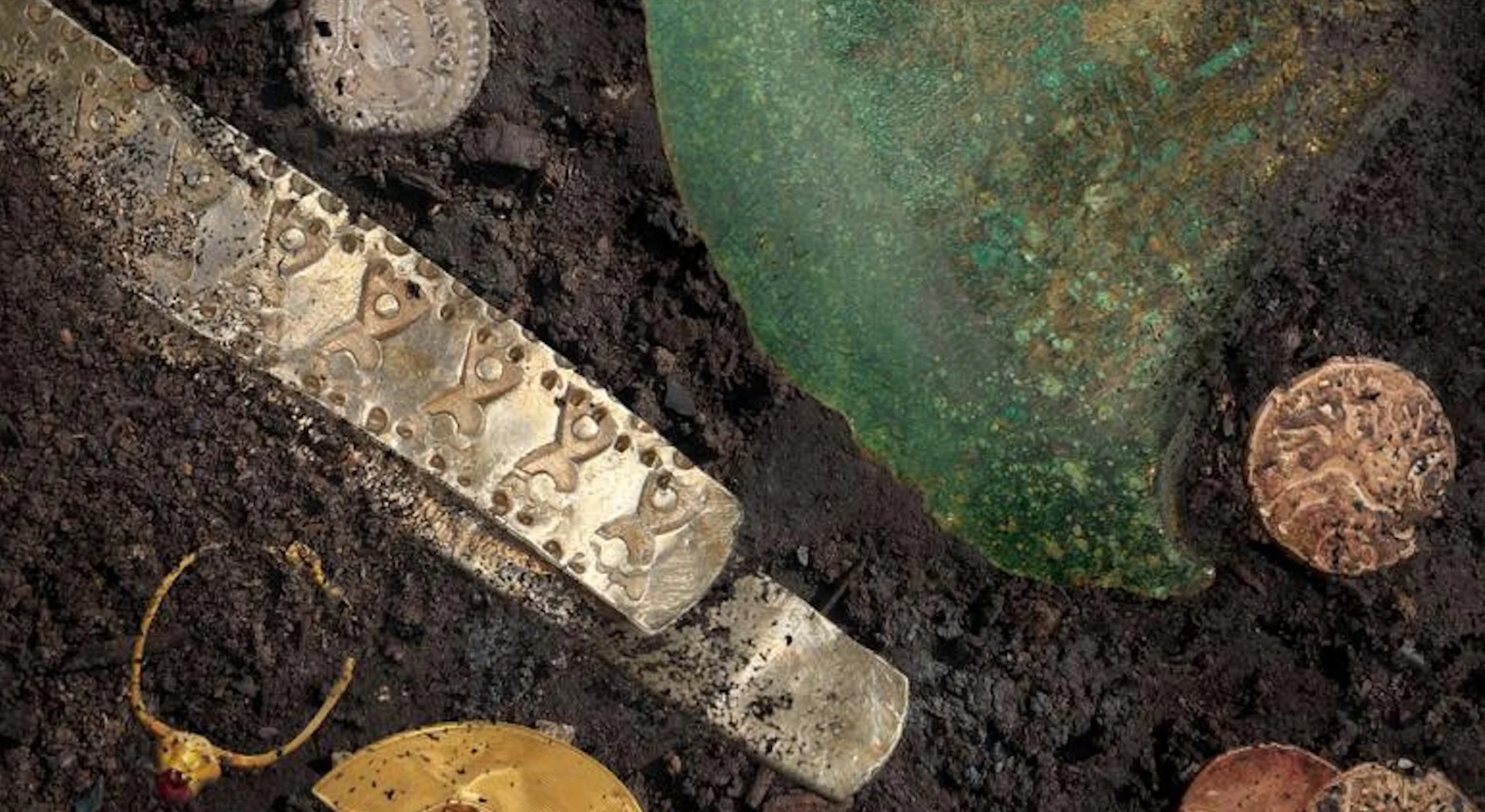
History lovers won’t want to miss Treasure: History Unearthed at Museum of Liverpool, which brings together the largest collection of archaeological treasure ever displayed in the region. Featuring discoveries from across the North West and Wales, the exhibition spans more than 5,000 years of human history and offers a fascinating glimpse into the objects people once buried, lost or deliberately concealed.
The display includes an extraordinary range of artefacts, from glittering Bronze Age gold and Viking silver to hoards of ancient coins and intricately crafted personal items. Many of the objects are on loan from major institutions including the British Museum and Amgueddfa Cymru – Museum Wales, giving visitors a rare chance to see items usually housed elsewhere in the UK.
One of the exhibition’s standout highlights is the breathtaking Mold Gold Cape. Dating from around 1900–1600 BC and discovered in North Wales, this delicate ceremonial garment was crafted from a single sheet of hammered gold and remains one of the most iconic treasures from the Bronze Age ever found in Britain.
Alongside the artefacts themselves, the exhibition explores how the meaning of “treasure” has changed over time — from Victorian antiquarian discoveries to the modern scientific methods used by archaeologists today. Visitors can also learn about the behind-the-scenes work that brings these stories to life, including conservation techniques, museum research and collaborative investigations that continue to uncover new insights into the past.
20×20, dot-art Gallery (Until 2 April)
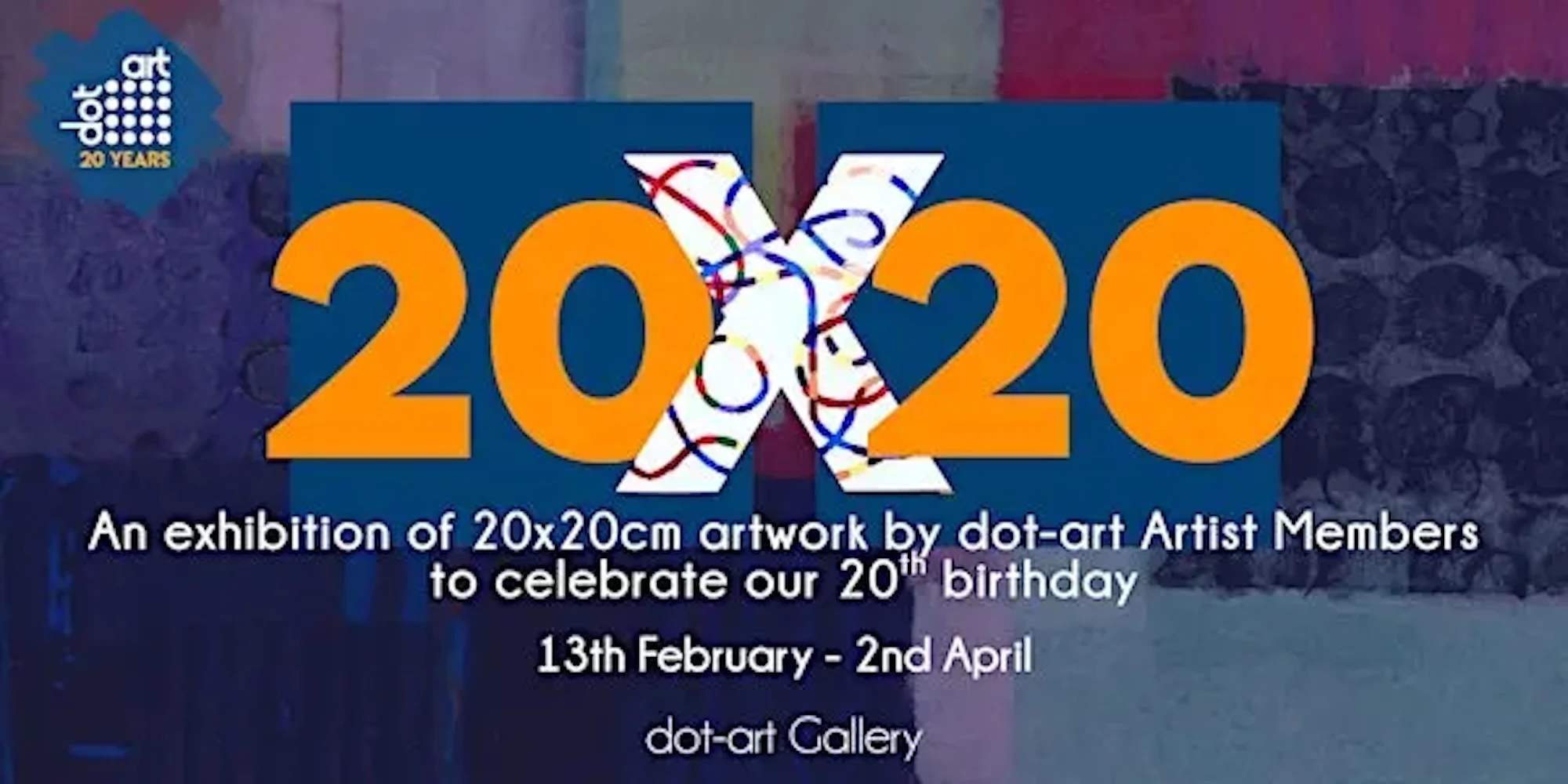
To celebrate its 20th anniversary, dot-art has invited more than 40 artists from its membership to take part in 20×20, a special exhibition at dot-art Gallery where every artwork measures exactly 20 by 20 centimetres.
The result is a vibrant and eclectic showcase of small but striking works that demonstrate the breadth of talent across the Liverpool City Region’s artistic community. Despite their compact size, the pieces offer big creative ideas — from atmospheric coastal landscapes to bold portraits and colourful abstract compositions.
Visitors can discover a wide variety of styles and subjects throughout the exhibition. Highlights include beautifully detailed coastal scenes by Nisali Siriwardene, dramatic depictions of the Egyptian pharaoh Akhenaten by Kevin Pollard, and expressive portraits by Sharon Kayll-Mathews. Elsewhere, viewers will find energetic abstract works by John Petch and refined compositions featuring soft, luxurious tones by Amanda Oliphant.
As well as celebrating two decades of supporting artists, the exhibition also highlights dot-art’s mission to make art accessible to everyone. All works in the show are available to buy, with prices starting at around £75 — making it an ideal opportunity for first-time collectors to take home an original piece of artwork.
After 20 years at the heart of the region’s cultural landscape, dot-art continues to champion local creativity, and 20×20 offers a fitting tribute to the organisation’s role in nurturing artistic talent across the city.
LOOK Climate Lab, Open Eye Gallery (Until 29 March)
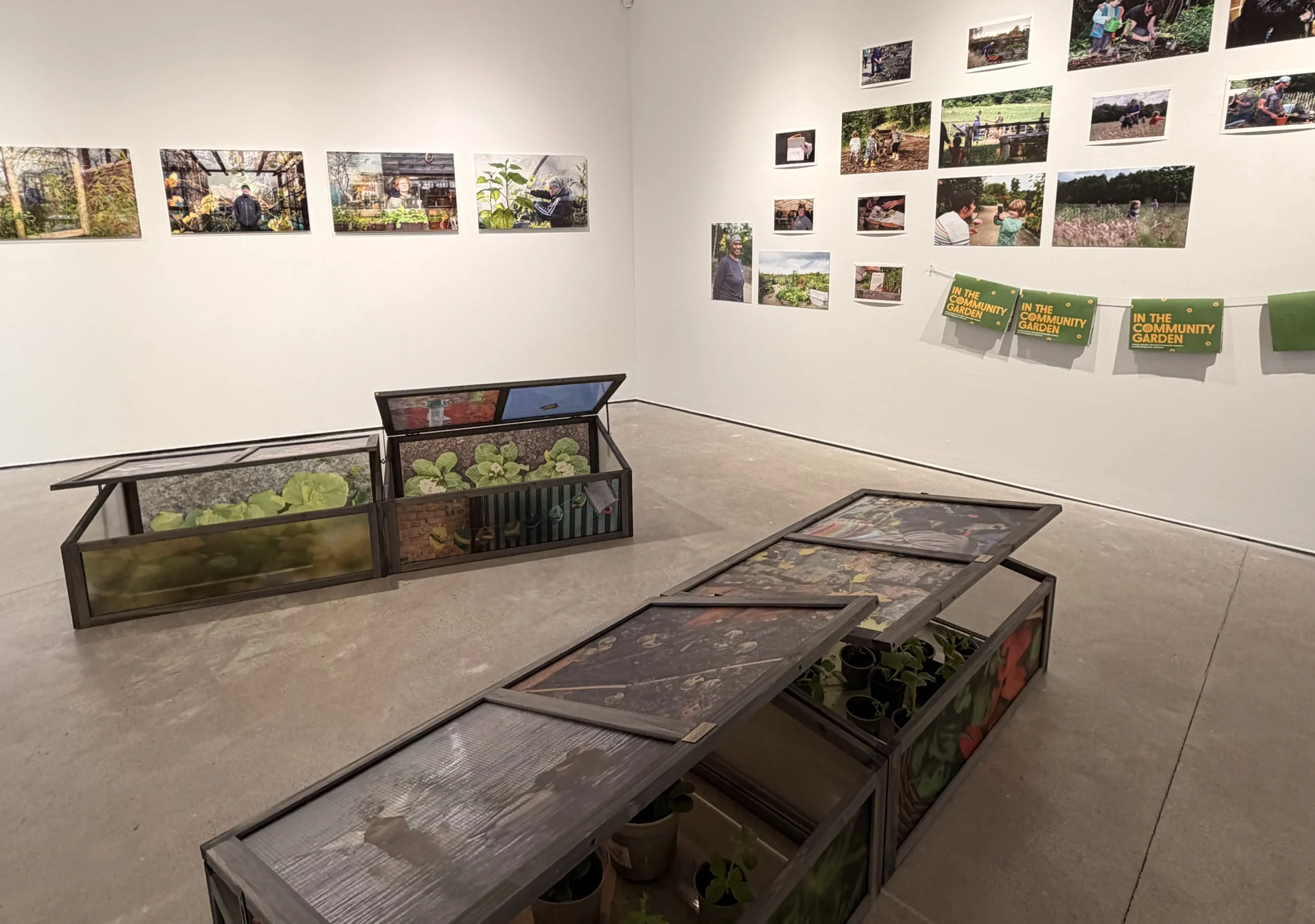
Green spaces play an important role in how people connect with their communities, memories and environment. LOOK Climate Lab, presented at Open Eye Gallery as part of the LOOK Photo Biennial, explores these relationships through photography, art and collaborative research projects.
Rather than a traditional exhibition, the gallery has been transformed into an experimental “lab” where artists, researchers, activists and community groups come together to test ideas and spark conversations about climate change. This year’s focus centres on gardens and green spaces — places that often serve as gathering points for communities while also playing a crucial role in supporting biodiversity and wellbeing.
A wide range of projects feature within the lab. Photographer Stephanie Wynne presents Our Growing Place, developed with Chester Zoo, examining how connections with nature can positively impact mental health and wellbeing. Meanwhile, Paul Harfleet continues his ongoing Pansy Project, planting flowers at sites of homophobic and transphobic abuse to create visible acts of remembrance and solidarity.
Other highlights include student-led sustainability projects, collaborative works exploring community relationships with nature at RHS Garden Bridgewater, and TreeStory Wigan, a project celebrating Wigan’s 50th anniversary through stories about its natural and industrial heritage.
Alongside the installations, the programme includes workshops, talks and open meetings that invite visitors to take part in discussions about climate action. With more events still to be announced, LOOK Climate Lab offers an evolving space for creativity, dialogue and discovery.
Phantoms After Dark, Norton Priory (31 March)
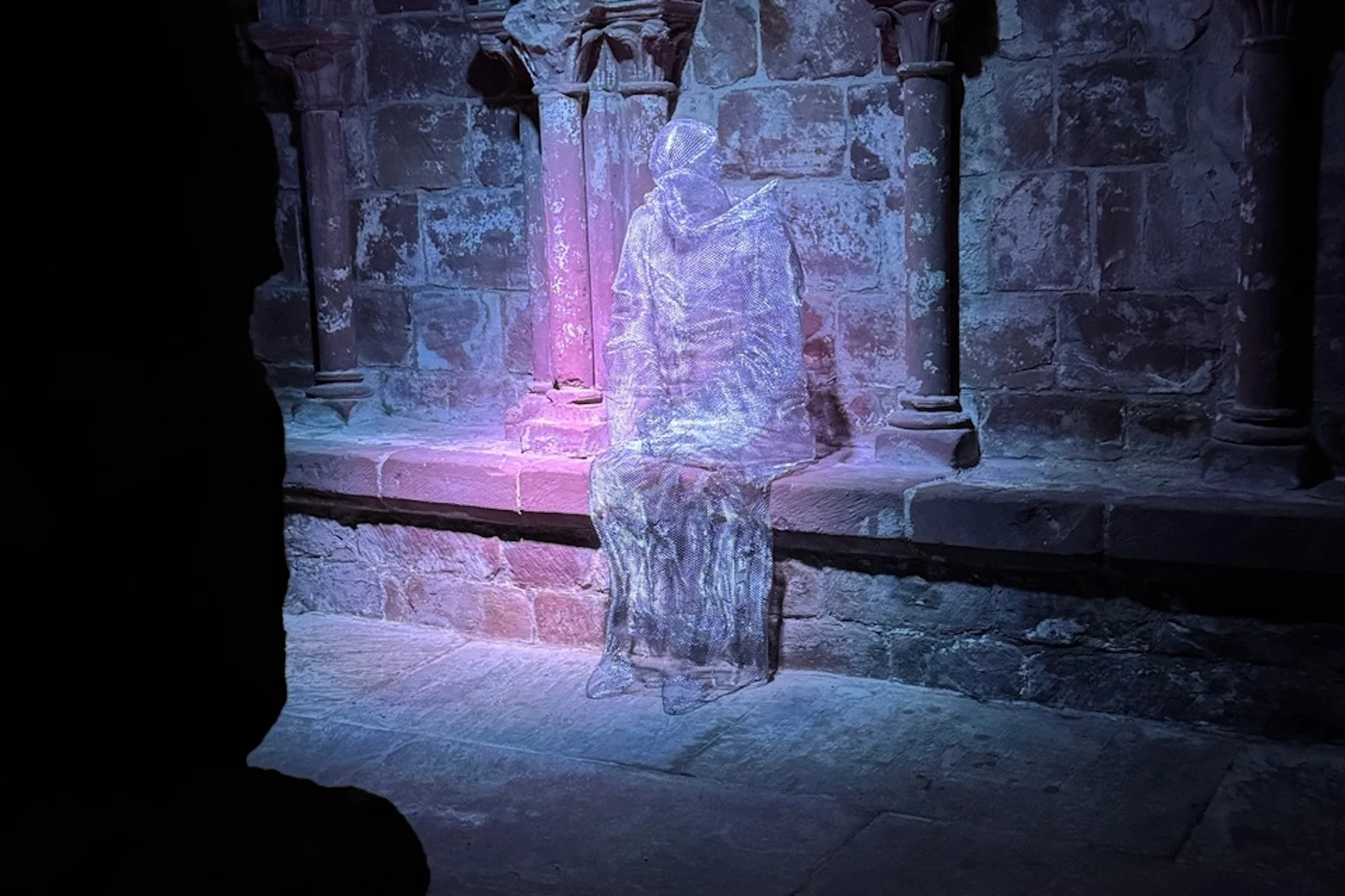
If you enjoy a touch of the supernatural, Phantoms After Dark at Norton Priory Museum & Gardens offers a rare opportunity to explore the historic site in a completely different light. Commissioned by the team behind York’s hugely popular Ghosts in the Garden, the experience invites visitors to wander through the priory grounds and museum spaces after hours in search of mysterious figures from the past.
For one evening only, the lights will be turned low to create an atmospheric setting as visitors follow a specially designed trail through the museum galleries and the dramatic medieval undercroft. Along the way you may encounter characters said to have shaped the priory’s remarkable 900-year history — from the imposing Duke of Bridgewater to a Georgian couple caught mid-conversation. Look closely and you might also spot smaller surprises hidden in the shadows, including three mischievous mice, a spider lurking nearby, the faint apparition of an arm and the contemplative figure of a canon seated quietly nearby.
Part of the fun is trying to capture these ghostly presences on camera — but will you manage to photograph a phantom?
Often described as one of Cheshire’s hidden gems, Norton Priory was once home to a medieval monastery and is now the most extensively excavated monastic site in Europe. Visitors can explore the impressive 12th-century undercroft with its vaulted ceiling, along with the evocative ruins that reveal the layout of the former priory complex. Daytime general admission tickets are also valid for the evening event, although the Walled Garden will close at normal hours and the wider museum grounds shut at 5pm.
Can Meeple Escape the Neurophoria?, FACT Liverpool (Until 26 April)
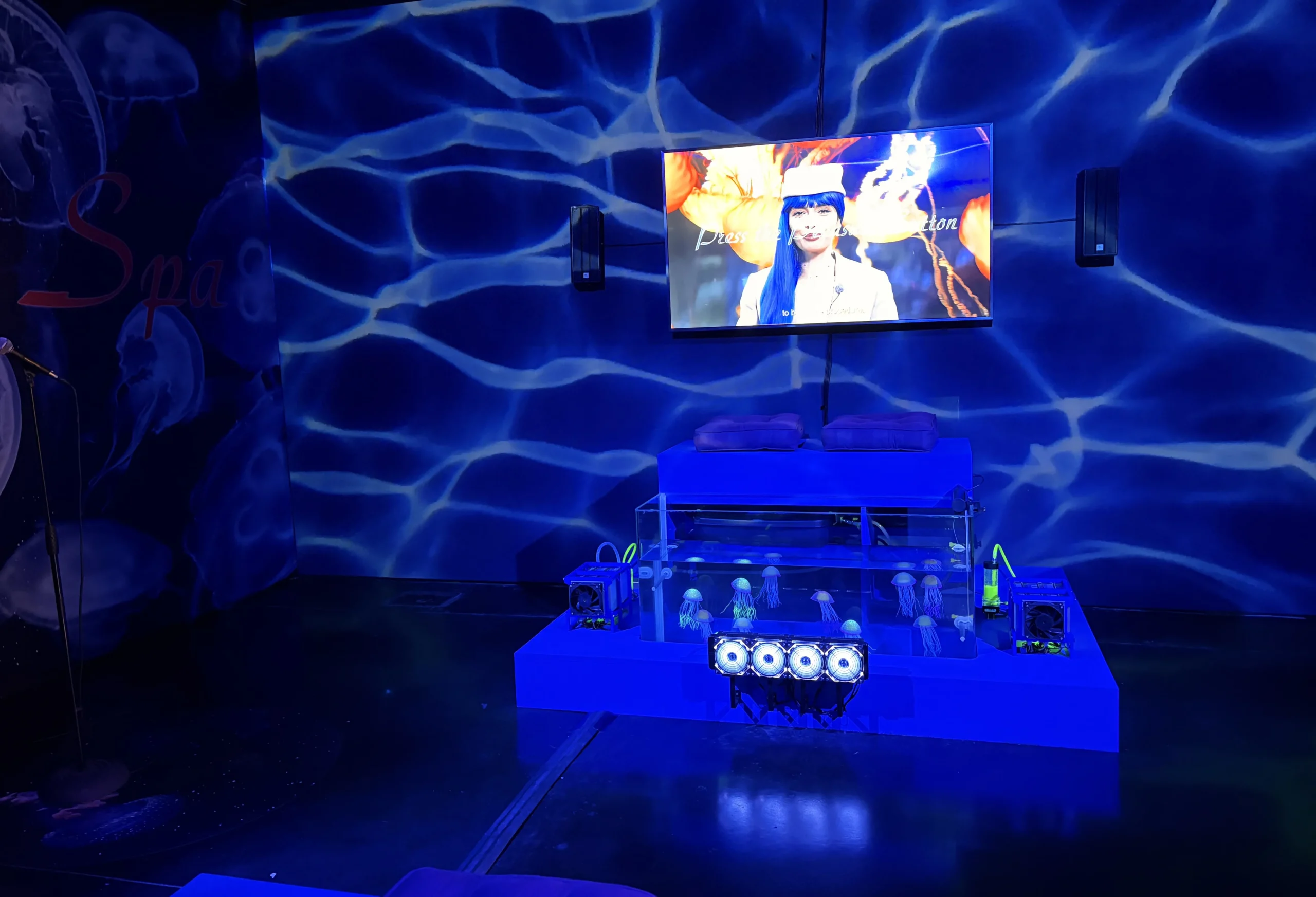
Interactive and thought-provoking, Can Meeple Escape the Neurophoria? at FACT Liverpool explores the increasingly complex relationship between humans and artificial intelligence. Through a series of immersive installations, the exhibition invites visitors to reflect on how technology shapes our behaviour, decisions and sense of agency.
Each installation responds directly to visitors, meaning that your choices influence how the experience unfolds. By placing the audience at the centre of the work, the exhibition encourages reflection on themes such as autonomy, control, consumption and the blurred boundaries between human and machine intelligence.
One standout piece is Coffee Machine by Jan Zuiderveld. At first glance the work appears to be a simple vending machine — but to receive your coffee you must first engage in conversation with it. The sentient machine questions your intentions, challenges your worthiness and responds with sarcastic, sometimes rude commentary as you attempt to persuade it to dispense a drink.
The humorous yet unsettling exchange mirrors the way many people interact with generative AI tools, which are often treated as convenient sources of instant answers. By reversing that dynamic and placing the machine in a position of judgement, the installation invites visitors to reconsider humanity’s assumptions about technology and entitlement.
Rather than presenting a clear solution, the exhibition suggests that AI is now inseparable from modern life. Its message is one of awareness and adaptation: by questioning our own habits, values and choices, we can help shape the future relationship between humans and intelligent machines.
Artist Rooms: Ed Ruscha, Tate Liverpool (Until 14 June)
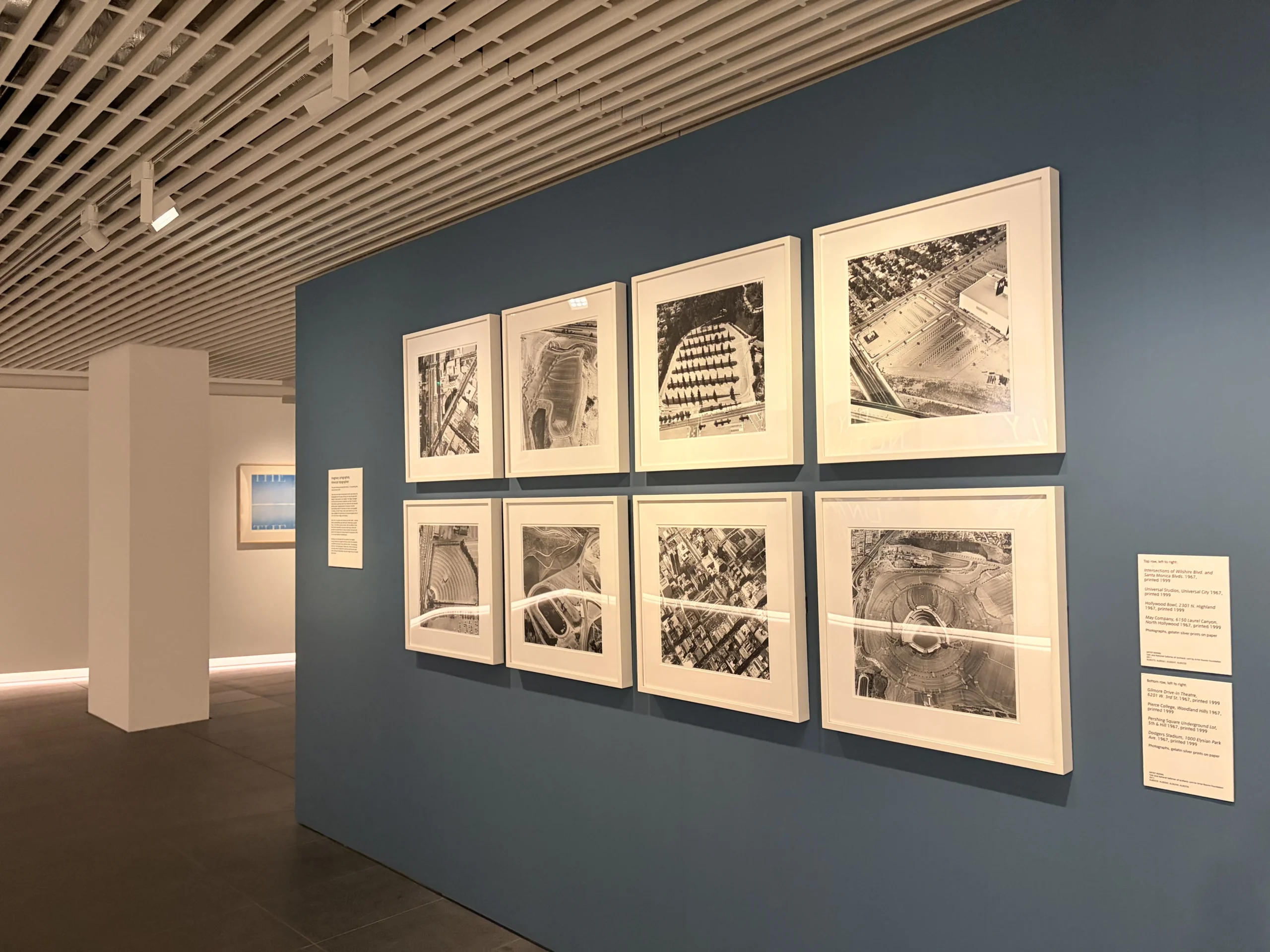
A major exhibition dedicated to influential American artist Ed Ruscha is currently on display as part of the ARTIST ROOMS collection at Tate Liverpool.
Ruscha is widely regarded as one of the defining figures of post-war American art, known for his innovative combination of photography, painting and text. This exhibition draws from the national ARTIST ROOMS collection, jointly owned by Tate and National Galleries of Scotland, which brings major international artists to audiences across the UK.
The show traces Ruscha’s fascination with the American landscape and roadside culture, themes inspired by his frequent journeys across the United States by car. A central feature of the exhibition is material related to his influential 1963 artist’s book Twentysix Gasoline Stations, which documents petrol stations encountered along the famous Route 66.
Visitors can also see photographs from Ruscha’s Sunset Strip Portfolio, including images of legendary Los Angeles venues such as Filthy McNasty’s, alongside examples of his distinctive text-based artworks like OK (State I) and Dance?.
Together these works highlight Ruscha’s ability to transform everyday imagery and language into striking visual statements. By focusing on ordinary scenes from the American roadside, the exhibition reveals how the artist redefined what could be considered subject matter for contemporary art.
Echoes of the Floating World, Williamson Art Gallery (Until 24 December)
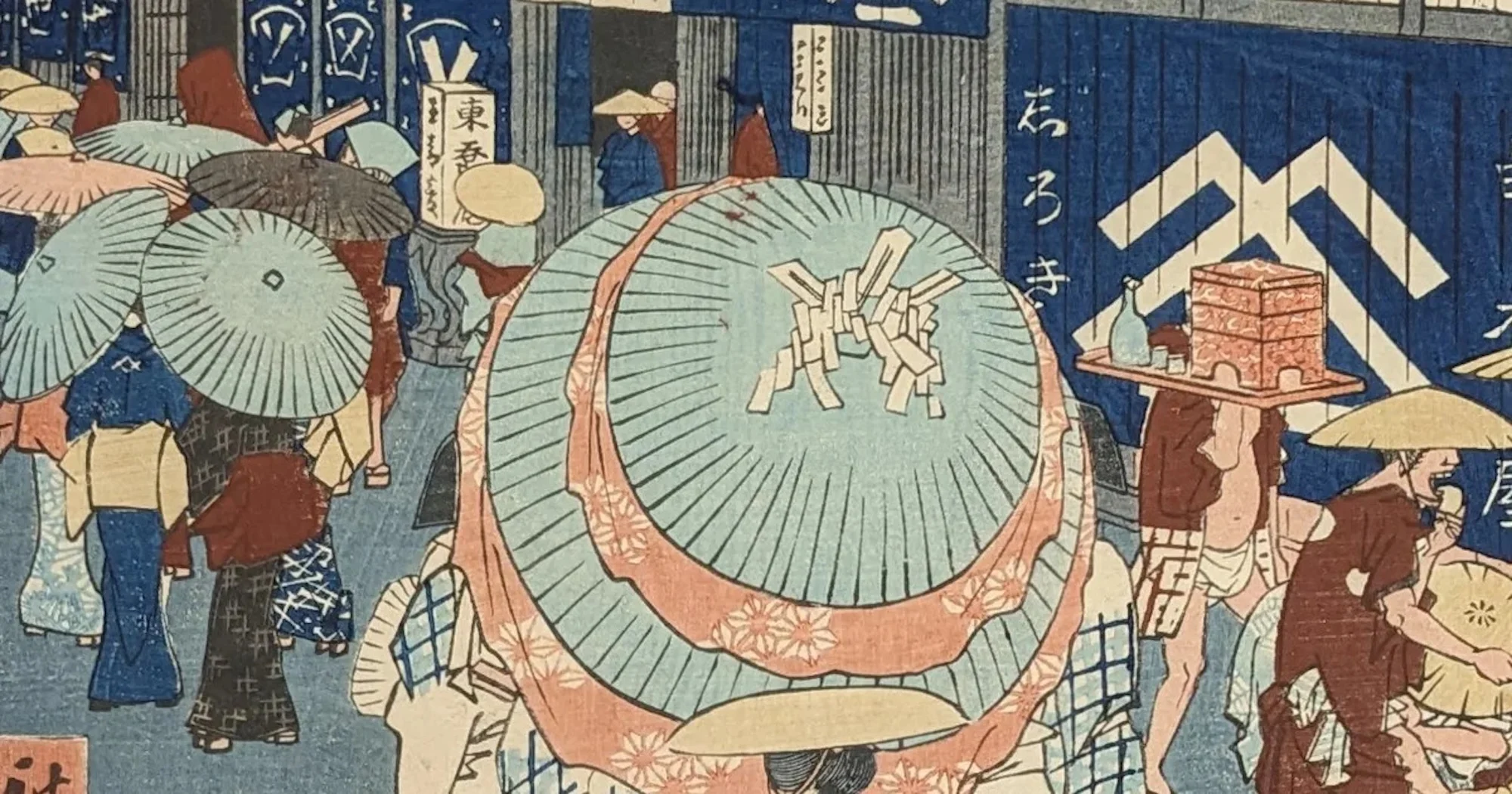
A remarkable collection of Japanese woodblock prints takes centre stage in Echoes of the Floating World at Williamson Art Gallery and Museum. The exhibition focuses on the influential artistic tradition of Ukiyo-e — literally meaning “pictures of the floating world” — which flourished in Japan from the 17th to the 19th century.
Visitors can discover works by some of the most celebrated masters of the form, including Utagawa Hiroshige and Katsushika Hokusai. Their prints are renowned for their striking compositions, bold colours and innovative perspectives, capturing scenes of landscapes, everyday life and fleeting moments in nature. These techniques went on to influence generations of artists around the world, reshaping ideas about composition and visual storytelling far beyond Japan.
The exhibition also explores the lasting impact of these prints by placing them in dialogue with works by contemporary artists from the Wirral. By presenting historic pieces alongside modern responses, the show highlights how the visual language of Ukiyo-e continues to inspire new creative interpretations today.
Through this cross-cultural conversation, Echoes of the Floating World reveals how artistic ideas travel across time and geography. The result is an exhibition that not only celebrates a globally significant art movement but also demonstrates how local artists remain connected to an international artistic legacy.
To discover what’s on in Liverpool and the city region check out our events listings.