
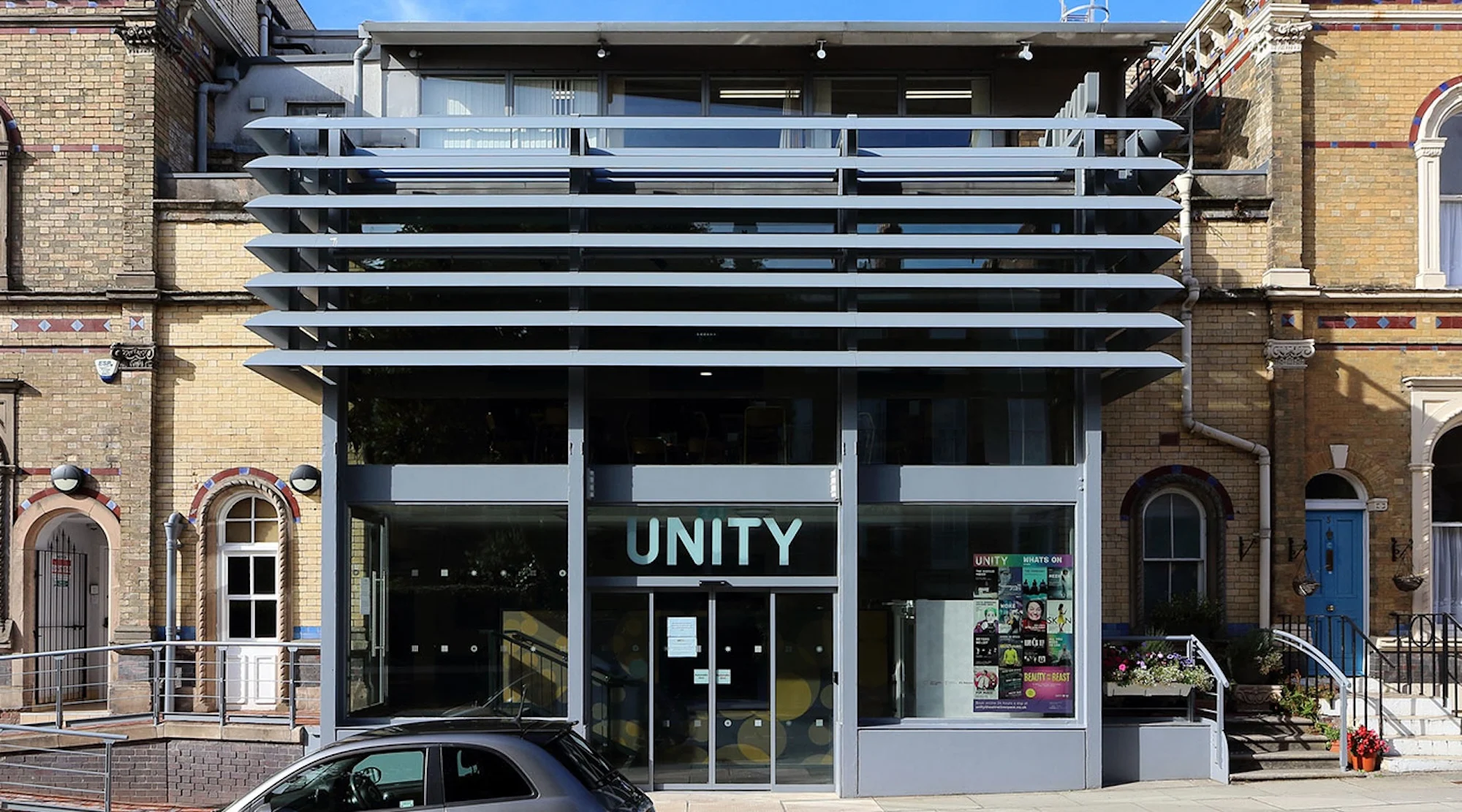
In the latest instalment of Buried Treasure, ArtsGroupie CIC’s John Maguire explores the radical history of Unity Theatre and its enduring role in championing working-class voices, experimental theatre and political storytelling in Liverpool.
Alternative drama in Liverpool has a deep history, with roots stretching back to 1895 when the January issue of The Labour Chronicle first referenced the Liverpool Socialist Dramatic Society. During this era, groups of left-wing activists and artists were forming all over the UK.
Among them was the London-based Left Book Club Theatre Guild (LBCTG), which loosely associated 250 branches nationwide. Meeting minutes from February 7, 1937, first acknowledged the formation of a new Liverpool branch: the Merseyside Left Theatre. Many of their early productions were anti-war plays and fundraisers supporting socialism and democracy in Spain during the fight against fascism.
Despite having no permanent home between 1937 and 1965, the company managed to stage radical left work from America and Europe, British classics, new original pieces, and even Ancient Greek drama in various venues across Merseyside. After World War II, 50 branches connected with the LBCTG formed The Unity Federation, and the Merseyside Left Theatre officially changed its name to The Unity. The company gradually moved away from its strict, radical left roots over the decades, though it continued to host radical and experimental work, finally finding a permanent home on Hope Place in 1981 by converting an old Victorian synagogue schoolroom.
The nomadic nature of The Unity’s early days, staging productions in nontraditional spaces long before securing a building, has heavily influenced the evolution of my own practice, particularly post-COVID. For instance, an adaptation of my short story, The Liver Bird, by The Bookworm Players toured local parks, turning the green spaces of Liverpool into “community centres without walls.” Such agile, project-based practice has defined my artistic journey.
I began writing in the late 1990s, volunteering as a steward at The Unity in my teens, which gave me the opportunity to develop my cultural capital, witnessing diverse, experimental and radical work. To see firsthand the possibilities of imagination, creativity and passion. Companies like Kaboodle, Volcano, Hope Street Ltd and many other artists transformed the way I looked at theatre. Work that was radical and risky.
Now, with more stringent arts cuts, theatres are becoming more risk-averse, leading to a problem that David Edgar coins as a growth in the “Primark play” (a term he attributes to Amanda Whittington), with new plays being staged once and never done again.
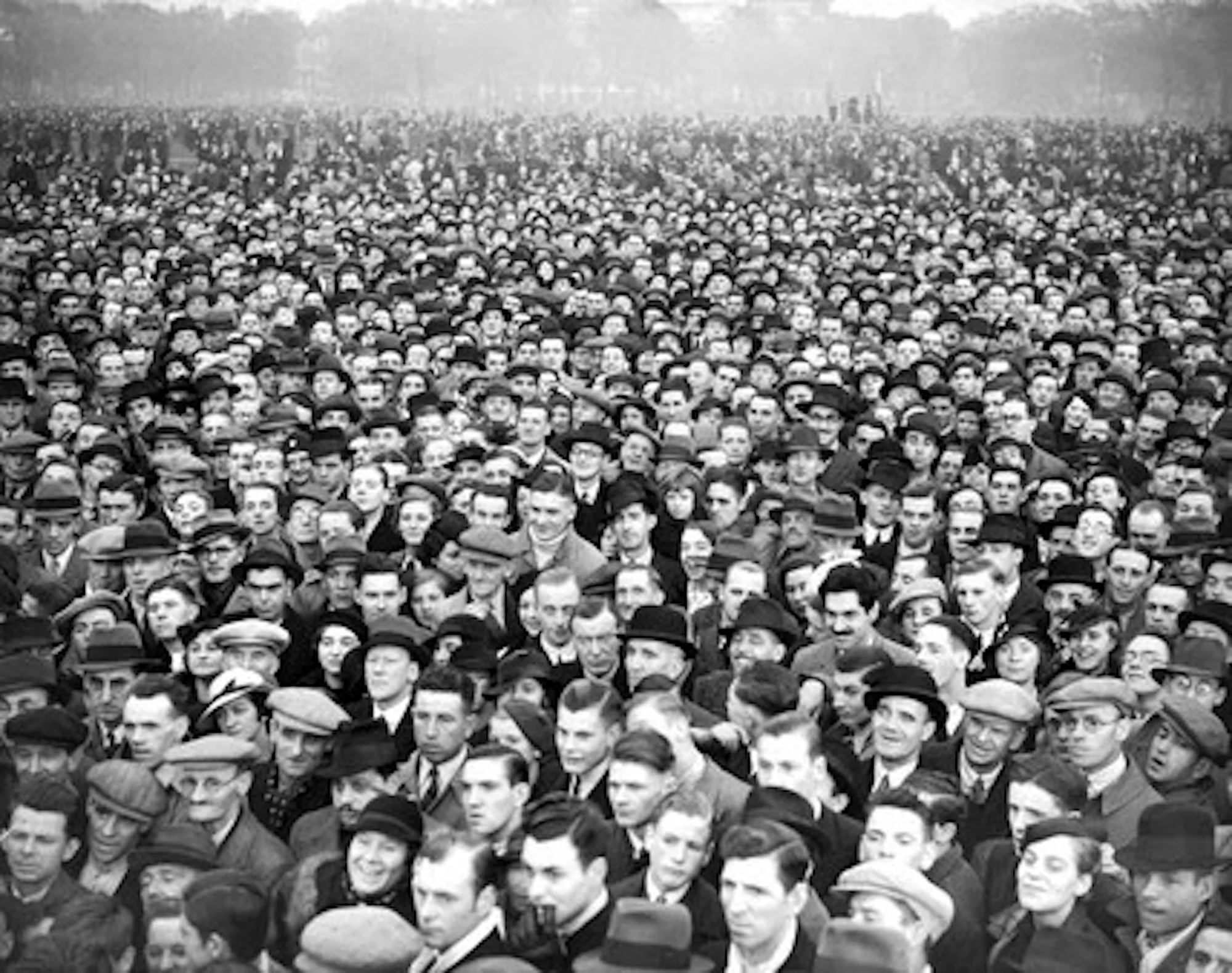
ArtsGroupie are delighted to be at The Unity in May, participating in an event that will discuss theatre and the arts for working-class creatives.
The Breaking the Class Ceiling event takes place on Saturday, 30th May, with a panellist briefing at 2pm ahead of a 3pm public start. This live, unflinching exploration of working-class artistry bridges the gap between Unity’s 1930s “Workers’ Theatre” roots and Liverpool’s contemporary creative scene, bringing together six local artists to discuss the politics of the stage, the power of heritage, and the future of storytelling.
The afternoon is split into two ninety-minute halves: Part 1 (3pm – 4.30pm) features the main panel discussion and audience Q&A, followed by a brief interval, before Part 2: The Scratch (5pm – 6.30pm) opens a dedicated platform for local voices to test new ideas, poetry, scenes, or political rants. Bringing their insights to this vital conversation are featured panellists Dr Ashleigh Nugent, Dr Maria Barrett, Mikey Garland, Steph Greer, Dr Andrew Sherlock, and Dr John Maguire.
This vital conversation is part of a much broader celebration, as Liverpool’s Unity Theatre hosts A Radical Reimagining: Unity Heritage Project from mid-May through June 2026. Supported by the National Lottery Heritage Fund, this dedicated season honours the building’s rich history as a former synagogue schoolroom and a historic hub for grassroots political theatre.
Alongside the Breaking the Class Ceiling panel and open mic, the extensive line-up features an archive exhibition at the Mount Pleasant Campus Library, hands-on political theatre and songwriting workshops, archive open days, and a screening of the acclaimed documentary Orwell: 2+2=5. The programme directly champions contemporary, forward-looking performances as well, highlighting the next generation through the youth-led Young Radical Theatre Makers alongside Unity’s own in-house production, Stage Left.
For more information about Unity Theatre and the Radical Re-Imagining Heritage Project visit unitytheatreliverpool.co.uk/a-radical-re-imagining-unity-heritage-project.