Culture Radar – Paul Doyle (Leap Dance Festival)

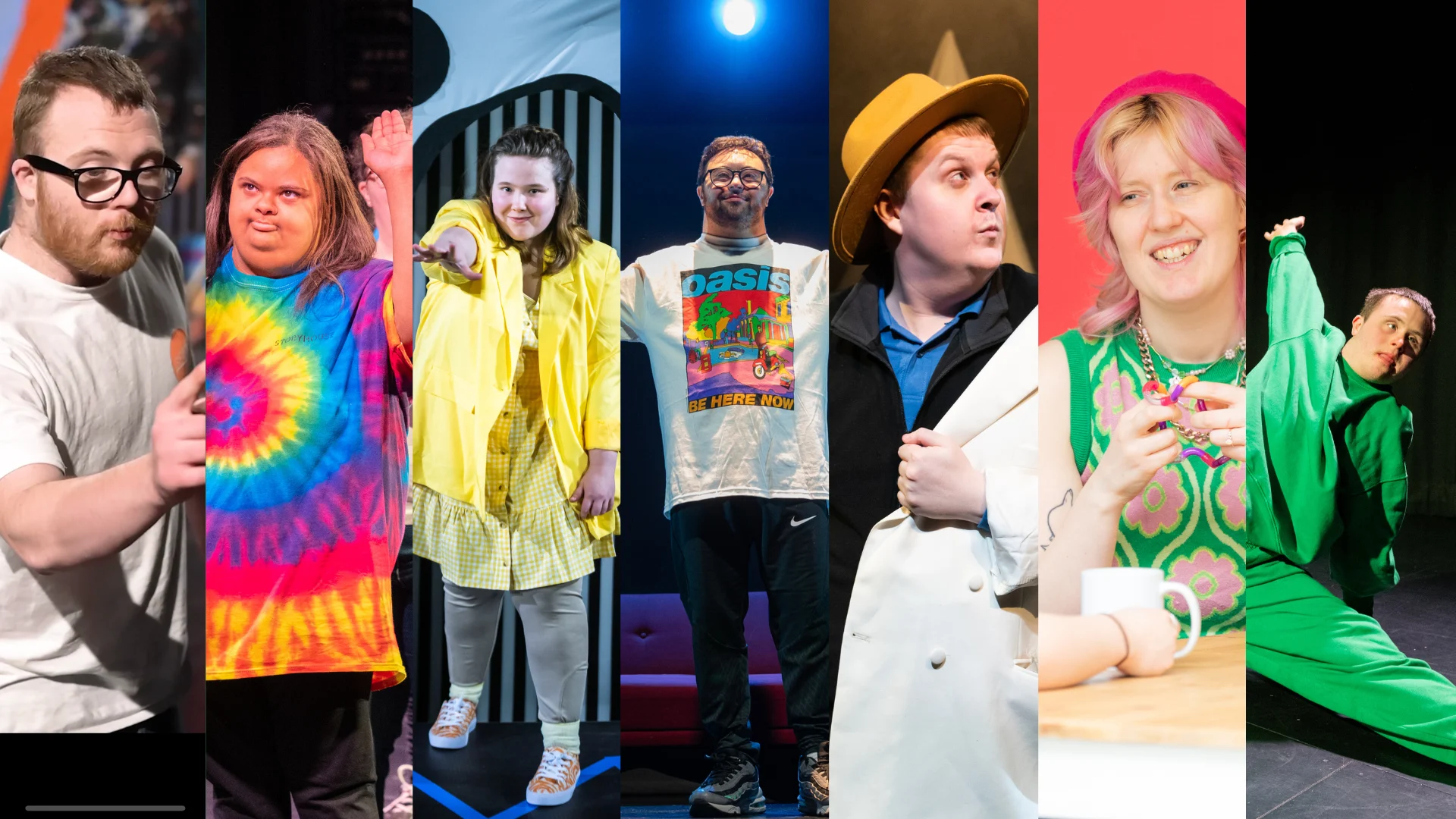
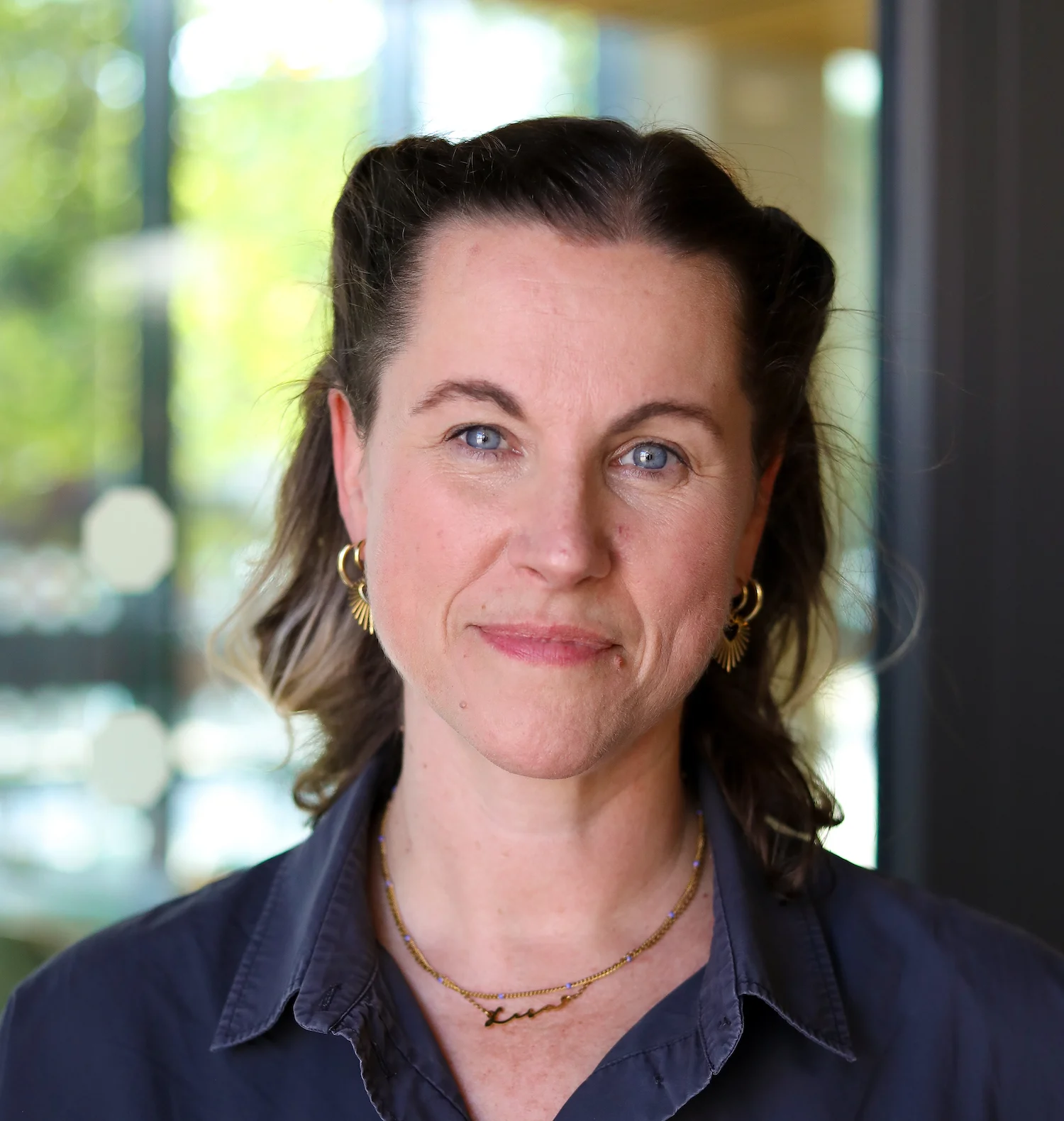
Paul Doyle Photo by Jazamin Sinclair
Credit: Jazamin Sinclair

This week our Culture Radar guest is Paul Doyle, Director, Leap Dance Festival.

Loved: I absolutely loved Glitterbox at Blackstone Warehouse last month: great vibe, good crowd, lots of disco house and David Morales. The Leap team also really enjoyed DaDaFest’s closing cabaret event: EAT ME x DadaFest present: RAGE (particularly Jay Farley’s reading from their new poetry collection A [Cupboard] Full of Tomboys, and songs from Crip Ladywood).

Looking forward to: Obviously we’re gearing up for the return of Leap Dance Festival (26th April – 9th May), and I’ve got my tickets for Radio 1’s Big Weekend and Cream Classical! It’s amazing to have so much happening in the city this summer – the team are also really excited about Liverpool Biennial and Independents Biennial 2025.

Trivia: Leap Dance Festival has been part of Liverpool City Region’s cultural calendar for nearly 30 years (formerly as part of Merseyside Dance Initiative’s annual programme). Chaos Arts CIC revived the festival in 2024 following the permanent closure of MDI in 2022, and last year we brought dance to over 37,000 people locally!

Buried Treasure With ArtsGroupie CIC: Celebrating 100 Years of Liverpool Empire Theatre


By John Maguire

Empire Theatre Liverpool

In this latest instalment of Buried Treasure with ArtsGroupie CIC writer and theatre-maker John Maguire reflects on a century of storytelling, stars, and stagecraft at the iconic Liverpool Empire. As the theatre celebrates its 100th birthday, John takes us on a journey through its rich and dramatic past, reminding us why this majestic venue remains a jewel in Liverpool’s cultural crown.

2025 marks a significant birthday for one of Liverpool’s most beloved theatre’s, The Empire. ArtsGroupie recently attended a centenary celebration showing of Willy Russell’s Blood Brothers and we were reminded of the significance of this venue and its sheer majesty. For, the space is charged with a magical energy. Wonderful and electric. A result of the many dramas being played and audiences coming together to enjoy a piece of storytelling. 

For a century, the stage has been populated by theatrical productions, spectaculars, concerts, and a vast variety of entertainment. The theatre site itself is actually older than one hundred years. The first performance to take to the boards was Faust, opening on October 15, 1866, as the New Prince of Wales Theatre and Opera House. This building consisted of a lower story, with carved heads of dramatists Shakespeare, Schiller, Moliere and composers Beethoven and Rossini, above the first floor. A bold statement to indicate its function and figures chosen emblematical of drama and music.

Empire Theatre Liverpool - Courtesy of Liverpool Central Library Archives
Image Courtesy of Liverpool Central Library Archives

When it opened as the New Prince of Wales Theatre, it was Liverpool’s largest theatre built to date, though it was only two-thirds the size of The Empire which now stands in its place. The building changed hands in 1867 and was renamed in honour of the then Princess of Wales, Princess Alexandra of Denmark. It became known for a variety of Italian operas, plays, pantomimes, and burlesque. Esteemed thespian Henry Irving, renowned for his performances in revivals of Shakespeare’s plays performed at the venue, he became the first actor to ever be knighted. The exact dates of Irving’s performances at the Empire are not specified but, the theatre’s history indicates that he and other famous actors, including Ellen Terry, Sarah Bernhardt, and Marie Lloyd, were among the many notable performers who graced its stage. 

In 1895, it came under the ownership of a company called Empire Theatre (Liverpool) Ltd., though it retained the name Alexandra until December 1896, when after renovations it was reopened as the Empire Theatre. A production of Cinderella came direct from the Lyceum in London with an impressive two hundred performers in the spectacle. 

The theatre switched to Variety performances, until 1911 when it briefly showed silent motion pictures, (it gained the exclusive rights for Liverpool to show Kinemacolour, an invention of pioneer filmmaker George Albert Smith, with the likes of 1908’s ‘Natures Looking Glass’ – the only stereoscopic life motion pictures, reproducing the actual colours of nature without any means of colouring), before the opening of Liverpool’s first purpose built cinema in 1912, Lime Street Picture House (later The Futurist).

History of the Empire Theatre Liverpool - Courtesy of Liverpool Central Library Archives
Image Courtesy of Liverpool Central Library Archives

The theatre continued to host Variety entertainment throughout the First World War (1914-18) and finally closed for the last time in February 1924. The building was then demolished to make way for the much larger art deco Empire Theatre that we know today. The 1925 new build was constructed in the style of a New York City theatre. But the original plans had to be changed as they left out a key asset to a theatre’s profit making. As being modelled on an American venue, there were no bars included. Due to prohibition, venues in the states could not sell liquor.

The Empire’s stage was declared the largest in Great Britain, making it an attractive venue for big names internationally. Big musical productions came to Liverpool, like 1926 Lady Be Good starring Fred and Adele Astair.

Despite Liverpool being the most bombed city outside of London in WWII, The Empire survived and was managing to book Hollywood greats like Mae West (1947), Laurel and Hardy (1947), Judy Garland (1951), and Frank Sinatra (1953), amongst many others during the rebuilding effort. The theatre was still pulling in big names throughout the 1960s, and even during the peak of Liverpool’s economic decline The Empire, alongside the Royal Court had become an important rock and roll venue hosting the biggest rock acts in the world. The Rolling Stones, Bowie and Kate Bush, to name a few.

The theatre would go through multiple renovations and improvements over the years. The Empire is now Liverpool’s largest receiving house, attracting the countries biggest touring theatre shows. 

Here is to another hundred years of theatrical adventures.

Culture Radar – Laura Pye (National Museums Liverpool)

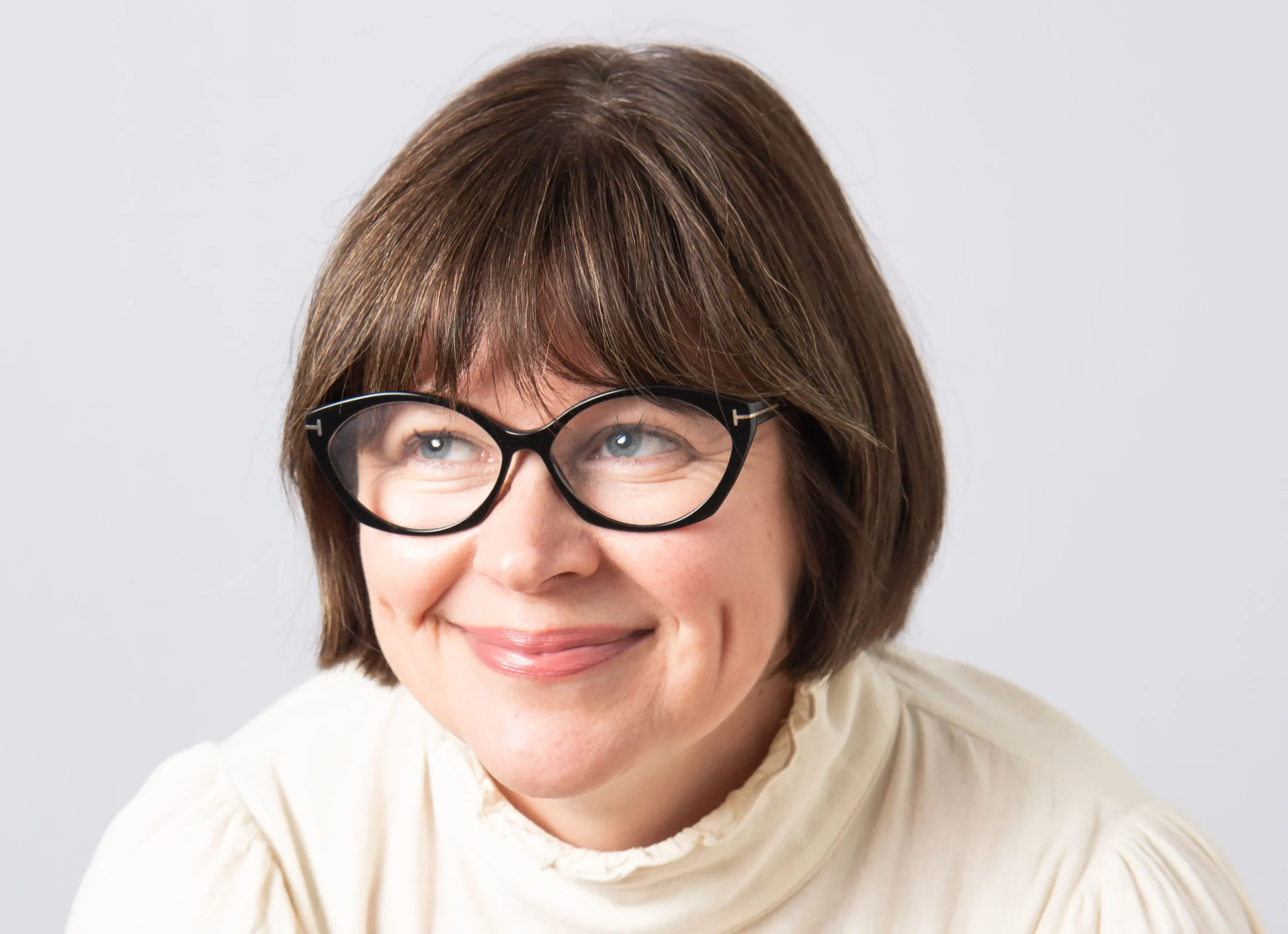
Laura Pye - © Robin Clewley
Credit: Robin Clewley

This week our Culture Radar guest is Laura Pye, Director/ CEO at National Museums Liverpool and member of the Culture Network LCR Board of Directors.

Loved: I saw Shirley Valentine at the Everyman recently and absolutely loved it, I have seen the play a couple of times and felt this version was both the most true to the original script I had seen and yet the most contemporary feeling. It was brilliant theatre.

Looking forward to: There is always loads going on across the city region so often it hard to keep up, as we approach the summer I am looking forward to WoWFEST25 in May and I have had tickets for Hamilton at the Empire for what feels like years!

Trivia: National Museums Liverpool will be 40 next year, whilst many of our museums and galleries are much older than that we were brought together as a national arms length body by an act of parliament in 1986.

Culture Radar – Nicola Triscott (FACT)

This week our Culture Radar guest is Nicola Triscott, Director/CEO of FACT and and member of the Culture Network LCR Board of Directors.

Loved: DaDa Fest’s Zoe Partington’s Painting in Light, stunning text-based light sculptures conveying slogans and messages from disabled people’s activism, in venues across the city. Also the photos and engaging stories of women disability activists, artists and leaders at Open Eye.

Looking forward to: Excited for Liverpool Biennial, this year curated by Marie-Anne McQuay. And, at FACT, Amartey Golding’s exhibition featuring a huge chainmail sculpture created in collaboration with imprisoned men from HMP Altcourse. Sadly, I missed the hot ticket of Jodie Comer in Prima Facie at the Playhouse next year!

Trivia: Last year, FACT opened Studio/Lab on its top floor, a creative space designed to support artists who want to learn and experiment with digital and immersive media. We have a growing membership with opportunities to showcase work at FACT.

10 Exhibitions In Liverpool And The City Region You Can’t Miss This Spring

By Abbie Billington

Subterranean Elevator - Williamson Art Gallery

Spring is the time for nature to come alive, and with warm weather and blossoms in bloom, it’s impossible not to feel inspired. So why not get outside and enjoy some culture this season? There’s no shortage of incredible exhibitions in Liverpool to engage the mind and the senses. From buzzing soundscapes and sailing plants to a fond farewell to a beloved stadium, the city region is bursting with creativity.

1. No Iconic Images. Views of War, Open Eye Gallery (Open until 4 May)

No Iconic Images - Views of War

No Iconic Images. Views of War at Open Eye Gallery is a compelling exhibition that questions the role of war photography in our digital age. Featuring powerful work from Magnum photographers Peter van Agtmael and Newsha Tavakolian, it explores how images shape memory, media narratives, and public understanding of conflict. In collaboration with The Guardian and Magnum Photos, the show also highlights editorial decisions behind war coverage, with contributions from Forensic Architecture and Ukrainian artists Yarema Malashchuk and Roman Khimei. A timely and thought-provoking exhibition that challenges the idea of the “iconic” war image.

2. Bees: A Story of Survival, World Museum (Open until 5 May)

Bees: a Story of Survival

It’s nearly the time of year for our fuzzy friends to make the rounds again, so now is the perfect opportunity to learn more about them and how incredible they are! Bees: A Story of Survival, which opened at The World Museum last May brings together art and science to tell a story of 120 million years of adaptation and survival. Interactives, sculpture, projection and light all play a role in this stunning exhibition that will have you shouting: save the bees! Don’t miss your chance to see this exhibition before it closes.

3. Bahar Noorizadeh: Free to Choose & Christopher Kulendran Thomas: Safe Zone, FACT (Open until 11 May)

Christopher Kulendran Thomas, Safe Zone. Installation view at WIELS Centre for Contemporary Art, Brussels, 2024. Courtesy the artist. Photo by Andrea Rossetti

Two powerful exhibitions at FACT invite you to explore the complex forces shaping our world — from speculative futures to real-life turning points. In Free to Choose, Bahar Noorizadeh presents a “financial science-fiction opera” that imagines the credit system of the future as a Central Time Travel Agency. This immersive film explores the absurdities of finance through a surreal, neoliberal lens.

In Safe Zone, Christopher Kulendran Thomas explores the political, economic, and cultural forces that shape our world. Through painting, video and sound, he links global events like 9/11 and the Mullivaikkal massacre to the ongoing ripples they create today.

There’s also still a few weeks left to catch Art Plays Games in the upstairs gallery, which showcases how games help us make sense of the world and how they are their own storytelling model. So if you like art and video games (let’s be honest, the two go hand-in-hand), then you’ll love this exhibition.

4. The Plant That Stowed Away, Tate Liverpool + RIBA North (Open until 11 May)

The Plant That Stowed Away
Copyright: (c) Succession Henri Matisse/DACS 2017 / Photo (c) Tate

Plants have always had a way of connecting people, and in this exhibition at Tate Liverpool + RIBA North, the connections between the trading history of cities like Liverpool and the global movements of plants and people are traced through art and photography. Wirral-born photographer Chris Shaw is the thread of inspiration for The Plant That Stowed Away, with many of the pieces building on his narratives and highlighting how urban and natural environments have been changed by growing industrialisation. Even in cities we have always co-existed with the natural world, and this exhibition serves as a reminder of that fact. 

5. Liverpool Lines, dot-art (Open until 17 May)

Liverpool Lines

Liverpool Lines exhibition celebrates the city region’s architectural heritage through the distinctive works of dot-art Artist Members Alexis Butterfield, Nicola McGovern, and Richard Farrell. From iconic waterfront landmarks to hidden corners, these artists capture Liverpool’s diverse landscapes using varied techniques—from gold-leafed pen drawings to intricate papercut collages and watercolor with ink wash—offering fresh perspectives on the buildings that have shaped the city’s soul and spirit.

6. Metamorphosis: Johnny Vegas and Emma Rodgers, Walker Art Gallery (Open until 29 June)

Metamorphosis

Did you know that Johnny Vegas has a degree in Arts and Ceramics? Now you do! After “life got in the way”, Johnny Vegas rediscovered his artistic talent after a chance meeting with local sculptor Emma Rodgers. The two have come together to collaborate on an exhibition cantering around the idea of metamorphosis, creating pieces out of bronze, clay and 3D printing. From the tragic figure of Icarus all the way to a fragile female figure, Vegas and Rodgers take us through their interpretations of flight, faith, and transformation.

7. Graham Crowley: I Paint Shadows, Walker Art Gallery (On until 13 July)

Graham Crowley I Paint Shadows

Graham Crowley first had his work exhibited at the Walker Art Gallery in 1976 during the John Moores Painting Prize. He has a long-standing history with the gallery, and this solo display offers the opportunity for visitors to see his work on a more intimate level and gain a deeper understanding. His signature style of experimenting with light, shadows and luminosity creates some striking pieces of art that will stick with you for some time.

8. The Holly Johnson Story, Museum of Liverpool (On until 27 July)

Curator Tour: The Holly Johnson Story, NML 2024

1980s Britain was a turbulent time for many. While music was seeing a drastic revolution, so were the social and political environments. At the forefront of all of this was pop icon Holly Johnson. The Holly Johnson Story charts Holly’s early personal life as well as his career, growing from a young musician to an internationally renowned, openly gay star, living in the public eye. While also shining a light on Holly himself, the Museum of Liverpool is telling the stories of people who experienced the gay scene in the 1980s, and the devastating legacy of the HIV crisis. For fans of Holly Johnson, and those interested in his impact on the music and LGBTQ+ scenes, this is not an exhibition to be missed. 

9. Goodbye to Goodison, Museum of Liverpool (On until 21 September 2025)

Goodbye to Goodison, World Museum 2025

Goodison Park has been the home of Everton FC since 1892, and many a legendary match has taken place under its lights. But as the club sets its sights on its future at Bramley Moore Dock stadium, the Museum of Liverpool looks back on Goodison’s final season as the home of The Blues. The exhibition highlights the pubs, chippys and streets in L4, shining a light on the matchday traditions of fans across the club. Bring a pack of tissues and your finest blue scarf as we say a fond farewell to The Grand Old Lady.

10. Subterranean Elevator, Williamson Art Gallery (On Until 20 December)

Descend into the world of Subterranean Elevator at the Williamson Art Gallery and discover what it means to become one with the earth and soil. This installation is a sensory exploration, taking visitors on a journey through mesmerising sounds and projected visuals into the inner worlds of soil and the subconscious mind. It invites collective contemplation and asks us to remember our connection to living and nonliving beings alike. It is a stark look at the emotional landscape of the climate emergency, an important reminder for each and every one of us.

Discover more exhibitions and arts events happening across the Liverpool city region via our What’s On listings.

8 Things To Do In Easter Half Term In Liverpool and The City Region

Little Liverpool 2024

With the Easter half term upon us, it’s time for some family fun! If you’re looking for exciting things to do in Easter half term, the Liverpool city region has an exciting lineup of events—from interactive theatre and creative workshops to hands-on crafts and more. The best part? Many of them won’t cost you a penny!

1. Bugs Are Us, Tate Liverpool (5 – 21 April)

Bugs Are Us Tate Liverpool

Take inspiration from the creepy crawlies in Tate’s collection this Easter half term in Liverpool with Bugs Are Us and construct multi-coloured neon replicas of your favourite bugs. Use the materials from our pick ‘n’ mix recycled craft box to make a 3D model of your bug. On Saturday 5 April, 1 – 5pm, there will also be a free workshop led by artist Colette Whittington. You’ll learn how to make relief stamps to print bug patterns and textures that can be used in your bug models.

2. Through Shadows We Learn, Libraries Across Liverpool City Region (8 April – 10 May)

Shadow Puppet Workshops

Join ArtsGroupie this Easter half term in Liverpool for Through Shadows We Learn, free shadow puppetry across a range of Libraries in the city and surrounding region. Shadow puppetry encourages children to engage in creativity, and unleash their imaginations. Children will devise their own characters and stories, and create their own puppets, culminating in a celebratory puppet showcase at Liverpool Central Library.

3. Little Liverpool – Easter and Spring Special, Museum Of Liverpool (8 – 27 April)

Little Liverpool 2024

This Easter half term it’s time to celebrate Easter and Spring in at the Museum of Liverpool! Join us to explore our Little Liverpool gallery with some added Spring crafts, activities and fun for those aged 0 – 5 years.

4. The Gruffalo, Playhouse Theatre (8 – 12 April)

Join Mouse on a daring adventure through the deep, dark wood in Tall Stories’ magical, musical adaptation of the classic picture book, The Gruffalo by Julia Donaldson and Axel Scheffler – which celebrated 25 years in 2024!

Songs, laughs and monstrous fun for children aged 3 and up and their grown-ups, in the much-loved show that’s toured Britain and the world!

5. War Horse Page To Stage, Empire Theatre (16 April)

War Horse Page To Stage

For young theatre enthusiasts, this behind-the-scenes workshop offers a unique insight into the creative process behind War Horse. Led by Resident Director Anna Marshall and members of the touring company, the hour and a half session explores key moments in the show, the director’s vision, and the rehearsal process. Participants will also learn about puppetry and the technical magic that brings War Horse to life, with a chance to ask questions at the end. It’s suitable for Key Stage 3-5 (ages 10+).

6. Make It! Craft Workshop, The Atkinson (17 April)

The Atkinson Make It Craft Workshop

Enjoy a free, drop-in arts and crafts workshop at The Atkinson’s Art Box, open to all ages. Materials are provided, and children under 12 must be supervised by an adult. Running from 11am – 3pm, spaces are first come, first served, so there may be a short wait for a craft table.

7. The Sticky Dance, Park Farm Community Centre (April 26)

The Sticky Dance

Three dancers’ shimmy through the audience weaving a tapestry of sticky tape in this tactile dance performance for young children. This Easter half term in Liverpool they invite you to tape, stick and groove, to see and feel sound or to be still, watch and listen. The Sticky Dance is an interactive, engaging and colourful performance installation for children and their families.

8. The Baddies, The Atkinson (30 April – 1 May)

The Baddies, The Atkinson
Meet the very worst Baddies in the world! Don’t you dare to come too close to a witch, a troll and an ancient ghost! With songs by Joe Stilgoe (Zog and Zog and The Flying Doctors), The Baddies is a wickedly hilarious adaptation of Julia Donaldson and Axel Scheffler’s smash-hit story. A laugh-out-loud riot for all the family.

For even more things to do in Easter half term in Liverpool and the city region check out our What’s On Listings.

Culture Radar – Madeline Heneghan (Writing on the Wall)

Madeline Heneghan

This week our Culture Radar guest is Madeline Heneghan, Co-Director, Writing on the Wall and member of the Culture Network LCR Board of Directors.

Loved: The launch of Jay Farley’s debut poetry book A Cupboard Full of TomboysJay’s performance accompanied by techo music, was inspired and powerful. Rough Trade provided the perfect vibe and it was packed to the rafters.

Looking forward to: Sorry but it has to be WoWFest25! Our month-long annual festival returns in May and this year we’re celebrating a quarter of century of Writing on the Wall. We’re delighted with the programme and looking forward to welcoming old friends and WoW first timers, including Irvine Welsh, The Singh Twins, Gary Younge, Jackie Kay, Frank Cottrel Boyce and loads more. I’m very proud that during the festival we will be presenting Liverpool Rising Against Racism in partnership with Love Music Hate Racism & Liverpool City Halls in a cultural show of unity in the face of those that try to divide us.

Trivia: I’m the queen of the poached egg, no vinegar, no swirling – mine are perfect time. Trivia about WoW: We were part of the team that wrote the beautiful heritage plaques on Princes Boulevard. It’s one of favourite places in the city. Come and check it out.

Culture Radar – Helen Jeffrey (Writer, Director, Creative Facilitator & Trustee At Unity Theatre)

Helen Jeffery

This week our Culture Radar guest is freelance Writer, Director and Creative Facilitator, Helen Jeffery. Helen is also a trustee of Unity Theatre.

Loved: Up Next Festival at Unity Theatre in March which supported 22 artists all trying out work for the first time. A fantastic variety of work was shown over 3 days and I can’t wait to see what the future holds for some of the work that was previewed. 

Looking forward to: I’m looking forward to Writing on the Wall’s annual WoWfest happening in May. This year its the 25th anniversary of the Festival and the entire month will offer an exciting programme of events comprising local, national and international writers, performers and artists.

Trivia: I am just over 4 years sober and my recent play ‘Buckled’ (which explored navigating sobriety) has finished touring venues in the Northwest last week!  I run writing courses and workshops online and in person. The next 6- week online course starts 2nd April 2025 and all info is in my Linktree.

Culture Radar – Patrick Fox (Heart of Glass)

Patrick Fox - Heart of Glass St Helens

This week our Culture Radar guest is Patrick FoxChief ExecutiveHeart of Glass – we are a community arts organisation supporting the work of artists and communities. Patrick is also a member of the Culture Network LCR Board of Directors.

Loved: There’s always so much going on in the region – some recent highlights for me in the last while range from Irish comedy legend Deirdre O’Kane at the Playhouse, our recent collaborative levent with Duckie’s Posh Club at St Helens Town Hall – a brilliant queer performance and social club for over 60’s which was a sell out (plus large waiting list) and has received some of the best feedback we’ve ever had for an event, and was a complete joy all round, and then of course there was the LCR Culture and Creativity Awards where it was great to hear about the breadth and depth of work taking place amongst our peers and partners across the region. We were delighted to be nominated for our long term collaboration with Artist Mark Storor titled The Suicide Chronicles, and shout out to MAKE CIC, our partners in Huyton who were recognised for their brilliant work as Arts Organisation of the Year. 

Looking forward to: The Liverpool Biennial is just around the corner, and curated by the brilliant Marie-Anne McQuay, and that is always a brilliant showcase that allows us to see and experience our city differently. Our ongoing project called How to Look After a Grieving Elephant (and other social animals), produced in partnership with Wonder Arts and Willowbrook Hospice and Child Bereavement UK is a really beautiful project and with the support of St Helens Art in Libraries will be touring library venues over the course of the year so I’m excited to see how that is received – needless to say I would highly recommend it.

Trivia: We turned 10 in 2024 and a lot of people don’t know that we were named after the Werner Herzog film of the same name in which a local artist known for making brilliant glass sculptures dies without passing on to anyone the skills of his trade, leading the owner of the town’s glass factory to obsessively attempts to recover the deceased artist’s lost knowledge. Not necessarily his best work, but a story that resonated with our origins in St Helens and our belief that art and artists are a critical part of a functioning civil society. Ps. the Blondie song is also a tune!

Buried Treasure With Arts Groupie CIC: Kitty Wilkinson – Liverpool’s Saint of the Slums and Queen of the Washhouse

By John Maguire

Kitty Wilkinson

The latest edition of Buried Treasure with John Maguire of Arts Groupie CIC delves into the life of one of Liverpool’s true working-class heroes and a pioneer in public health, Kitty Wilkinson. From the tragedy of losing her family at sea to her transformation from servant to a key figure in Liverpool’s history, Kitty’s legacy endures. 

With March marking two important dates, International Women’s Day and St. Patricks Day, this months Buried Treasure focuses on a Working Class Heroine and public health pioneer, Kitty Wilkinson (1786–1860). Her efforts to promote public hygiene helped stem the outbreak of cholera in the city and led to the opening of the first combined washhouse and public baths facility in Britain.

Kitty is buried in St James’ Cemetery, a former quarry in the shadow of the Anglican Cathedral. It opened in 1829 and contains a total of 57,839 recorded graves. The cemetery architect was John Foster and the landscaping was by John Shepherd, the curator of the Botanic Garden in Liverpool. A marble statue to this amazing lady was unveiled in St George’s Hall in Liverpool in 2021, and currently is the only woman represented there.

Kitty Wilkinson Play
Kitty: Queen of the Washhouse – a performance at St Georges Hall, Concert Room in 2022 –
Kitty brings the Mersey to the stage.

Catherine Wilkinson (Kitty), originally from Derry, Ireland migrated to Liverpool with her family in 1796 when she was nine years old. Tragedy struck during the sea crossing when the ship they were travelling on crashed in the river Mersey and both Kitty’s father and youngest sister drowned.

The surviving members of the family settled in the North West but two years later Kitty was sent to work at a cotton mill in Lancashire as an indentured servant. Mill work was harsh, exhausting and challenging, with children charged with some of the more dangerous jobs, such as cleaning the floors under moving machinery. Kitty worked in this environment until she was 21 years old, when she returned to Liverpool to care for her ill mother.

During the early years of the 1800s Kitty married a French sailor but was left widowed with two young children when her husband drowned at sea. In 1823 she married Tom Wilkinson and over the next few years worked as a domestic servant and also set up a school for orphans in her own home. 

Liverpool experienced rapid population growth during the 19th century, putting a huge demand on housing stock and leading to the development of court housing.

The courts, or alleys, were accessed by a passage from a main road that opened on to a yard with houses facing one another. A toilet was typically situated at one end with a cold water standpipe in the centre. Courts varied in size but usually there were about four to ten houses in each. Sanitation in the courts was poor or non-existent, while washing facilities for personal purposes or laundry were also limited.


Nobody was ever the poorer for what they gave a neighbour in distress.


Kitty was the only person in her street to have a boiler, and understanding the need for a facility among her community for washing linen using hot water, she set herself up as a laundress. The service she provided was to become invaluable and ultimately lifesaving, especially during the outbreak of cholera in the city in 1832.

Kitty invited her neighbours and those living in the nearby courts and slums to use her hot water and facilities for a small fee. Drawing on her experience in domestic service, she also taught the women how to clean their laundry and what products to use to get the best results.

Kitty Wilkinson - Frederick Street Wash House
Frederick Street Wash House

Not only an entrepreneurial woman but also a socially aware individual, Kitty provided space nearby for the women to leave their children while they did their washing. She also began campaigning for public baths where the poor could wash themselves. Her efforts came to the attention of business man and philanthropist, William Rathbone, and the District Provident Society who raised funds to help her in her campaign and this eventually led to the opening of the first public bath and wash house on Upper Fredrick Street in 1842. Kitty was later appointed Superintendent of the establishment.  

Kitty Wilkinson was greatly respected for her endeavours, becoming known affectionately as the ‘Saint of the Slums’ and in 1846 was presented with an inscribed silver teapot from Queen Victoria in recognition of her contribution to society. 

To find out more about Liverpool’s Irish Connections, please visit the Liverpool Irish Festival website, where you can find a print at home map for a free walking tour – Liverpool Famine Trail and a digital app.

Additionally, at National Museums Liverpool there is a Liverpool Irish Community trail