

In this month’s Buried Treasure, ArtsGroupie CIC’s John Maguire explores Liverpool as an open-air museum, uncovering the historic objects, architecture and hidden stories found across the city’s streets.
As the British Association for Victorian Studies (BAVS) prepares to gather in Liverpool this July, it’s led me to reflect on the Victorian legacy that defines our city. But first, what exactly is BAVS? Founded in 2000, BAVS is the UK’s premier multidisciplinary organisation dedicated to the study of the Victorian period, bringing together over 1,200 International Scholars, curators and historians. The BAVS Annual Conference 2026 is being held at Liverpool John Moores University. Their arrival is a fantastic opportunity to showcase the living history of our streets.
We are lucky here in Liverpool to have such fine art galleries, like the rich collections at the Walker, opened since 1877 and arguably the first to allow free access to the general public. When it comes to first-class museums, National Museums Liverpool do a sterling job in platforming progressive new work and honest reappraisals of their collections.
The great thing about the pool of life is that there are also many fascinating objects on display that we walk past daily. An outdoor open-air archive easily at our disposal. Liverpool’s sprawling city streets form one vast in situ museum. Around corners, we see echoes from the past, battle scars and triumphs from when Liverpool morphed into the Second City of the Empire. We can see where the wealth was injected into the city. Like the opulent Castle Street, where the world’s banking representation held court, with architectural ostentatious statements, each building trying to outdo the next.
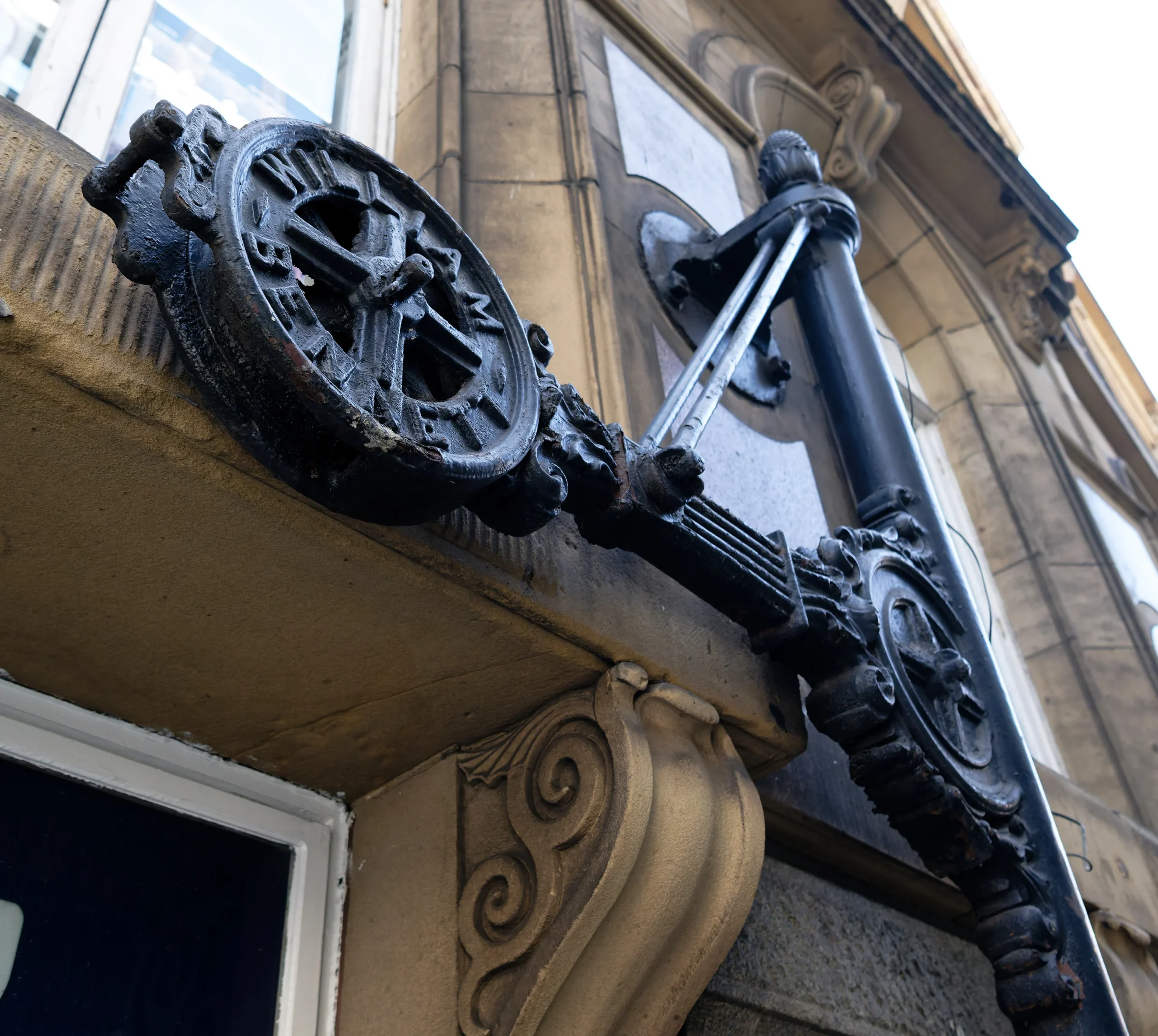
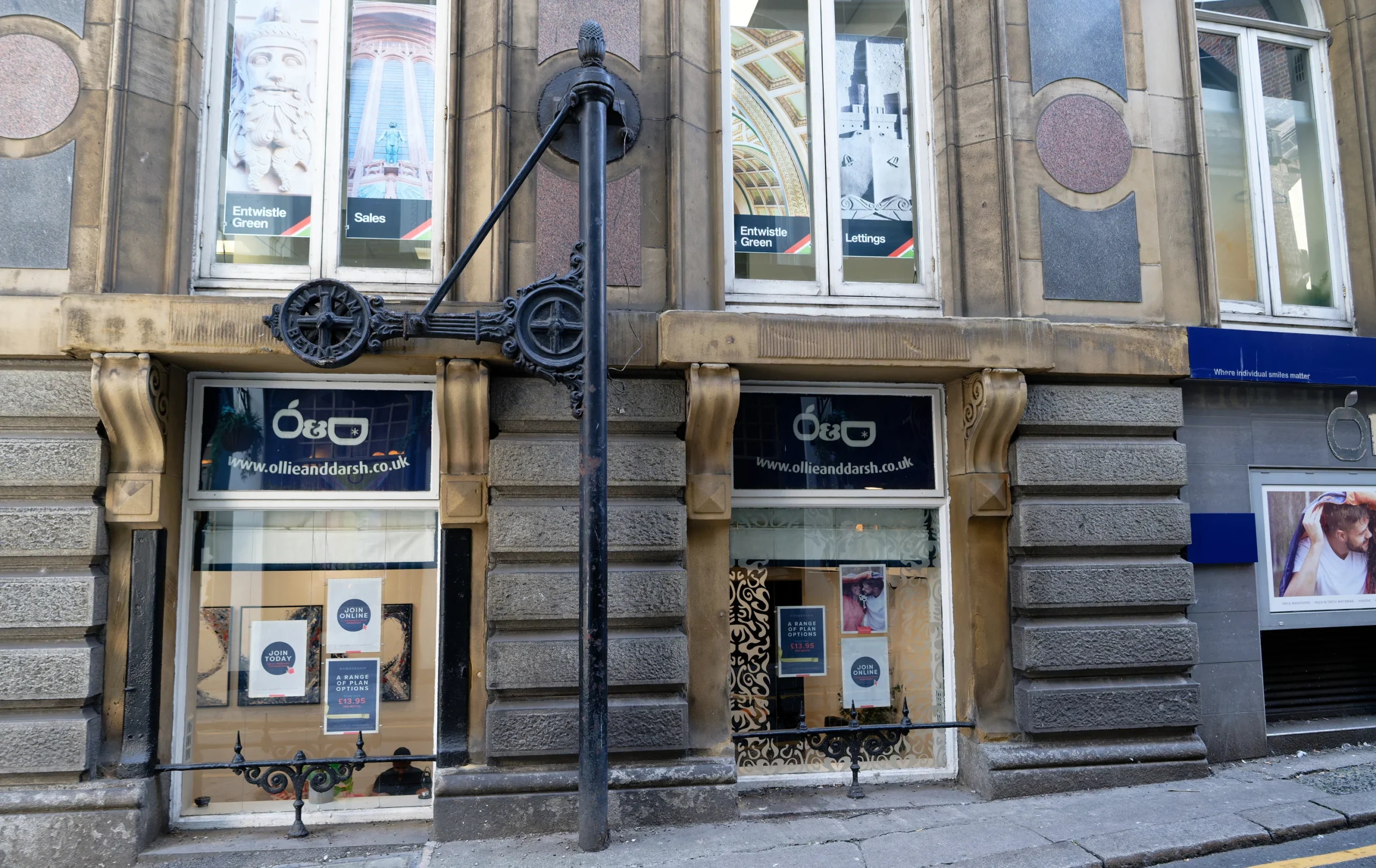
An immersive trudge around the spatial psychogeography, you are never far away from buried treasure. One of my favourites is off Dale Street – Dale and Castle Street are the last two of the seven streets that made up Liverpool in 1207. Off this busy road is Hackins Hey – what a name. It sounds like it has been lifted off the pages of a Charles Dickens novel, like Sweeting Street and Leather Lane. The Teagle Crane is an artefact you have probably walked past without even recognising its significance and historical importance. It is a belt-driven counterweighted mechanism invented by engineers Frost and Stutt in 1835. They created the system that was then adapted by local firms across the land.
The Teagle Crane was used to drop barrels and crates off the delivery carts, to lower directly into the cavernous cellars used for storage. With business rates being so expensive (something that has not changed), this allowed merchants to use all the space that their property had to offer in streets that were mismatched and narrow, particularly those routes that would not allow for bigger cranes like those down at the docks.
This simple street furniture is a monument to the evolution of industrial labour. Topped by a pineapple, a symbol of the exotic items that may have been stored at the premises, but possibly an indication of wealth, as our Town Hall railings are decorated with many golden pineapples. Pineapples, to our travelling readers in modern times, take on a completely different meaning. I found this out only recently when a walking tour participant pointed out, in plain terms, the modern-day symbolism of the fruit. I’d just purchased a summer shirt adorned with hundreds of the exotic items and was so glad that this had not been worn.
From objects to buildings, the architecture is another story, too. One particular building has left me ecstatic this month. LJMU has recently announced that it is to rename the Henry Cotton Building as the Kitty Wilkinson Building. An Irish immigrant to Liverpool in the 18th century, Kitty is revered as the ‘Saint of the Slums’. Having studied for my PhD at LJMU and staged my play Kitty: Queen of the Washhouse, I know well that in her lifetime, she was never recognised for being the great community champion that she was. She did receive a teapot from Queen Victoria, but I’m sure she would have pawned that teapot to be able to give somebody a meal. Her legacy of unity and community is exactly the kind of buried treasure that defines our great city.
I will be encouraging our BAVS guests this July to ensure they not only spend time in our wonderful cultural assets, but also make time to see the hidden histories on our streets, too.