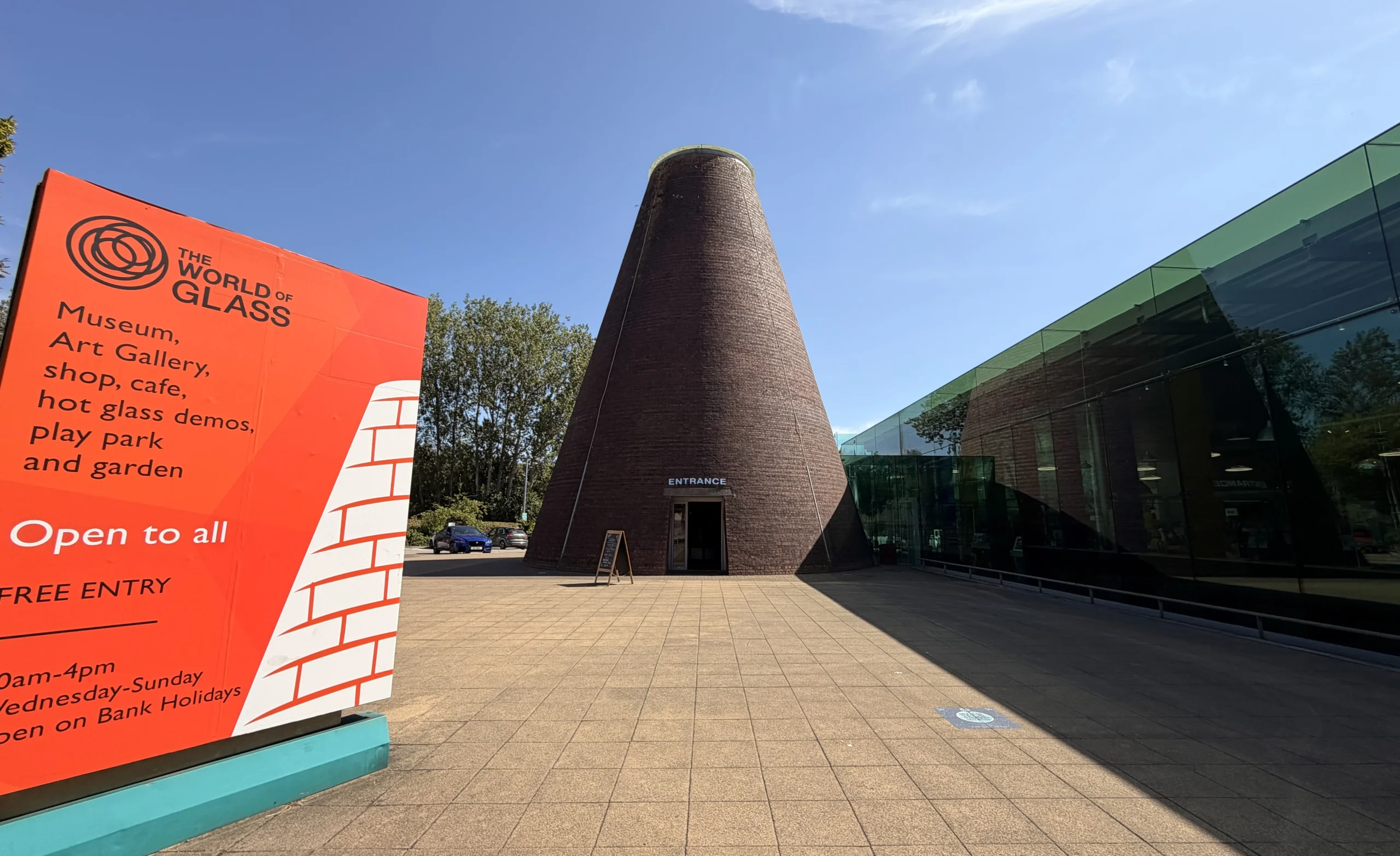
Inside The World of Glass: Exploring St Helens’ Glassmaking Story

Part museum, part historic industrial site and part working studio, The World of Glass explores the material that shaped St Helens.

Bringing together industry, science, social history and art, the museum tells the story of glass through the people who made it, the objects they produced and the town that grew around it.

For visitors from across the Liverpool City Region, it is an easy cultural day out, with the museum just a five-to-ten-minute walk from St Helens Central station. More importantly, it offers a deeper understanding of St Helens and the industries and communities that shaped it.

The town’s identity was shaped by making, innovation and labour, and The World of Glass brings those strands together on a site where much of that history actually happened.

Victorian St Helens

The Past Gallery takes visitors into a recreated Victorian street, complete with a kitchen, shop and pub. Voices, household objects and small details of everyday life offer a feel for St Helens during the Industrial Revolution — not just as a place of factories and furnaces, but as somewhere people lived, worked and raised families.

In the Bluebell pub, the conversation centres around the Haydock mining disaster. It is a reminder that the town’s past cannot be reduced to one industry. Coal, chemicals, glass and transport were closely connected, as were the lives of the people who worked in them.
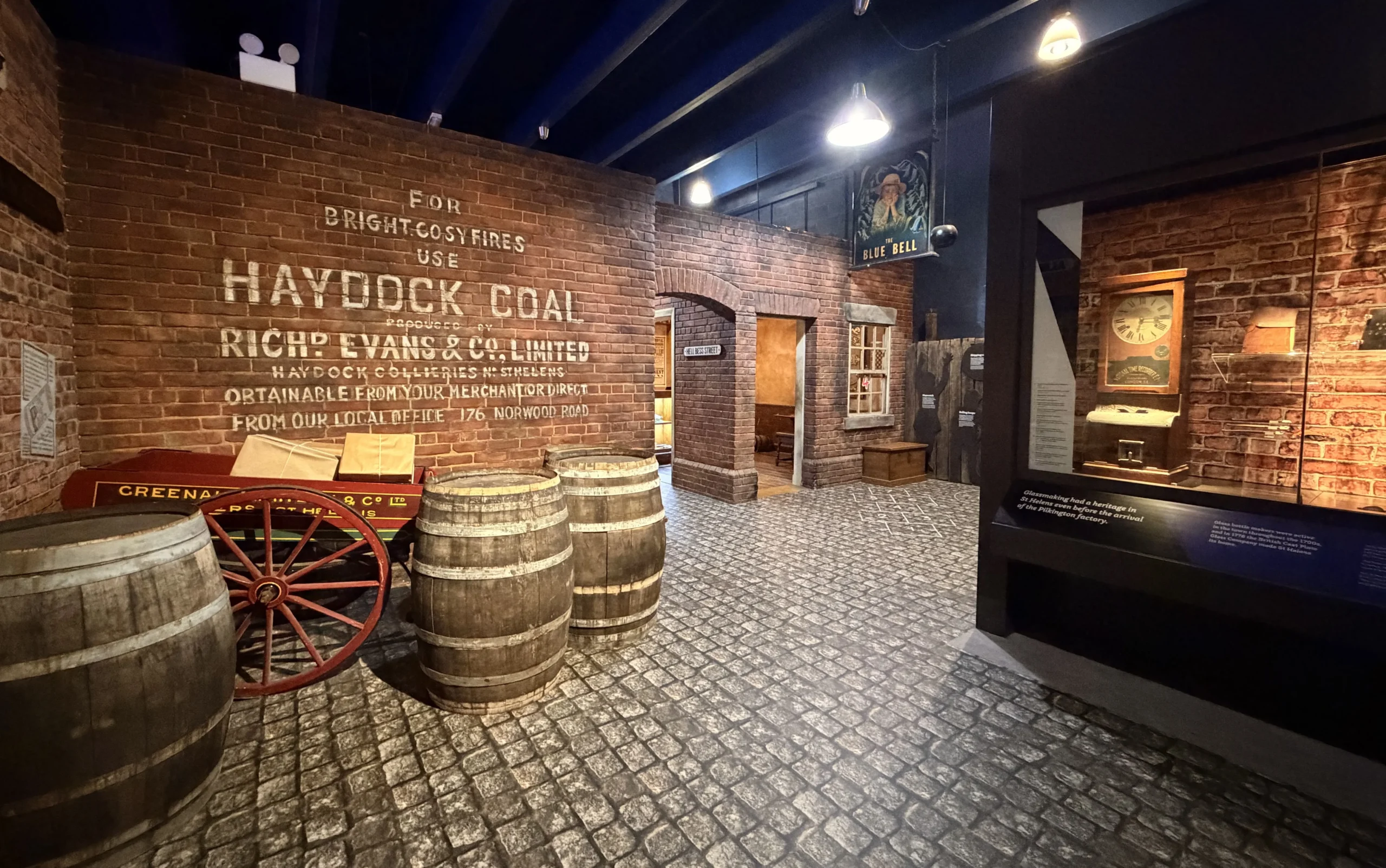
As Sarah Taylor, Executive Director of The World of Glass, explains: “Community and people are at our core, and I think understanding our past makes much more sense when you can hear the real stories through real voices. It allows people to connect with what life would actually have been like in these communities, and we want to represent that true voice and help people understand some of the challenges people faced back then. We also have visitors who remember their grandparents’ houses being very similar, so we have to keep things authentic — otherwise we’d get caught out!”

Starting with everyday life gives the rest of the museum useful context. Before visitors get to the machinery and major developments in glassmaking, they get to know the town that grew around it all.

Glass In Everyday Life

From Victorian St Helens, the museum moves into the Now Gallery and the many ways we still rely on glass. Interactive stations explore natural glass, lenses, mirrors and fibre optics, giving children (and grown-ups!) the chance to experiment rather than simply read display panels.

The gallery also looks at current developments in St Helens, linking the town’s industrial heritage with the research and technology shaping glassmaking today.
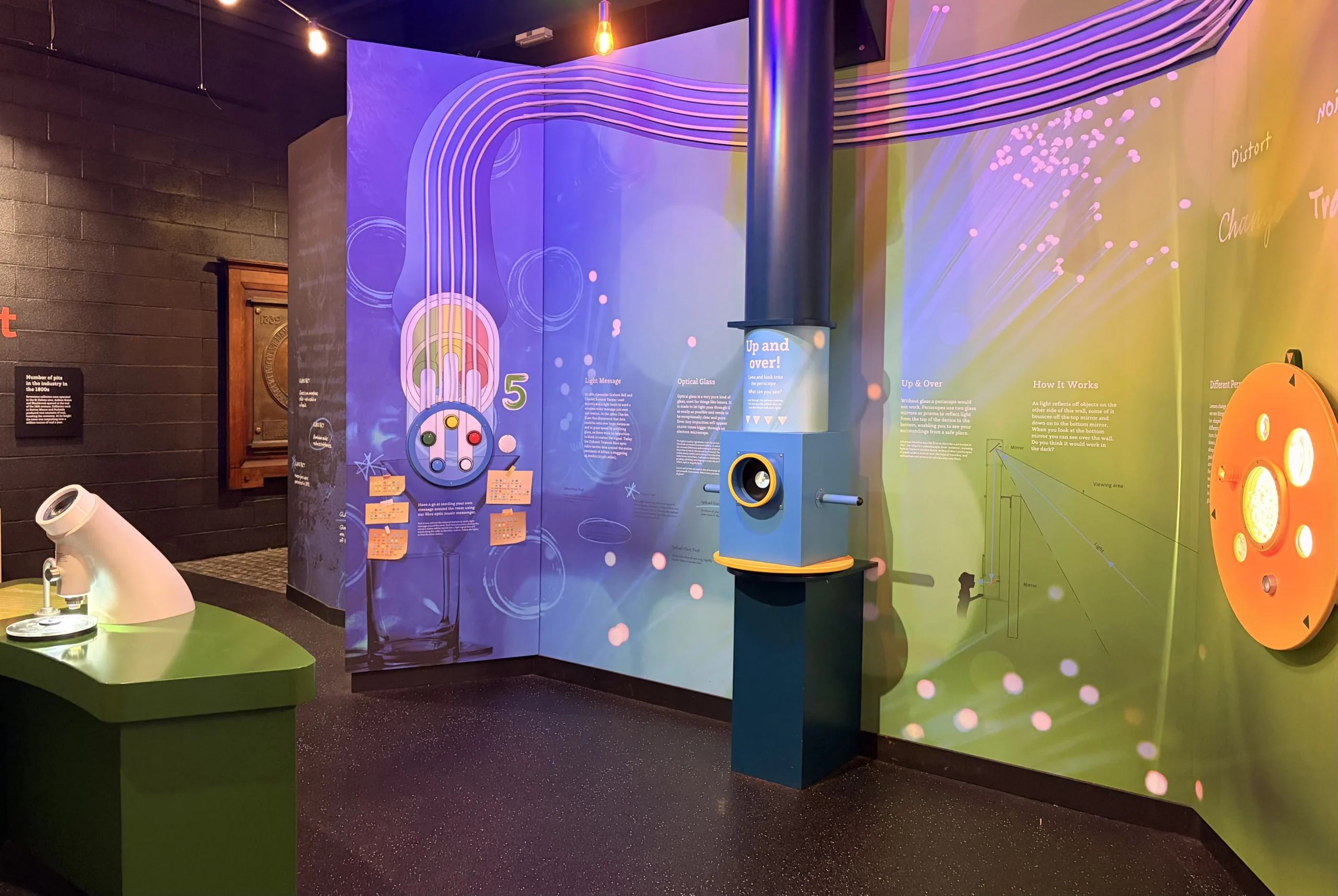
For Sarah, part of the gallery’s appeal is showing visitors just how varied the uses of glass can be:

“I think we all love learning something new, and glass is one of those materials that’s a bit magical. Its capabilities are much more diverse than you might first assume — fibre optics, for example. Glass starts out as a mixture of sand, soda ash and limestone, but that simple material can become something that helps us connect to the world. I think that’s pretty amazing. We now have Glass Futures here in St Helens, who are looking at how we can make glass production more sustainable, and you can learn a bit more about that work in the museum too.”

The Glass Collections

The Glass Gallery brings together objects spanning around 3,000 years, tracing the material from the ancient world through to the present day. The displays show how its uses, styles and methods have kept changing.

Seen up close, the objects also make it clear that glass has never been purely practical. Makers have long used colour, decoration and form to create things people wanted to keep and admire. 

The Holford Collection adds a contemporary perspective. Displayed on the mezzanine, it features work by leading glass artists and shows how makers are still testing what the material can do. The Godfrey Pilkington Gallery hosts a changing programme of exhibitions, so there is usually something different to see on a return visit.

Tank House No. 9

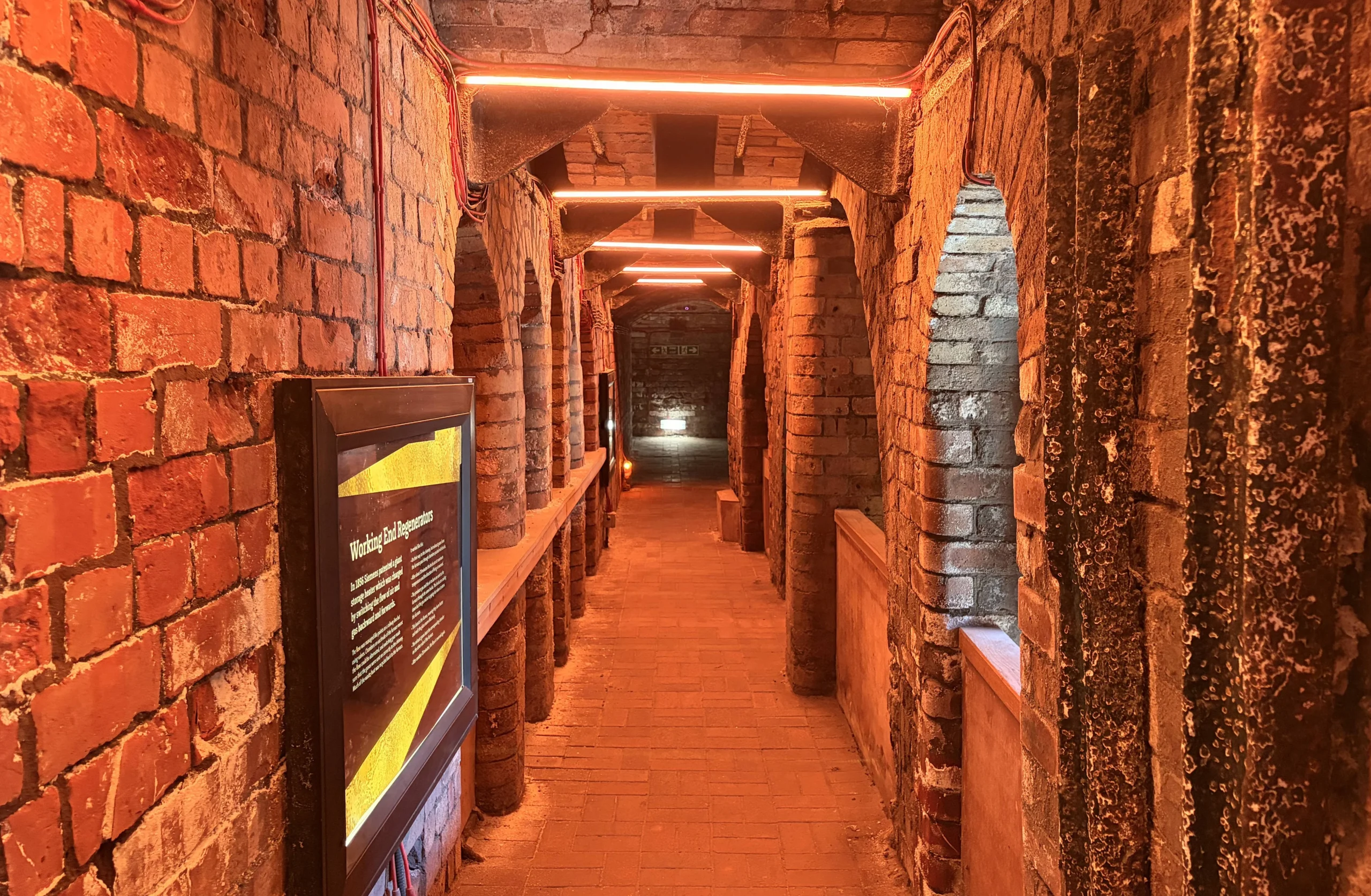
A glass bridge connects the main museum with Tank House No. 9, a Grade II* listed building and archaeological site dating from 1887. It is one of the places where the scale of St Helens’ glassmaking history becomes much easier to understand.

William Windle Pilkington used the Tank House while developing a regenerative process connected with continuous glass production. Beneath the building, tunnels carried gas and air to help the furnaces burn hotter and more efficiently. That engineering can sound fairly abstract on paper, but it makes more sense when visitors are standing in the place where it was put to work.
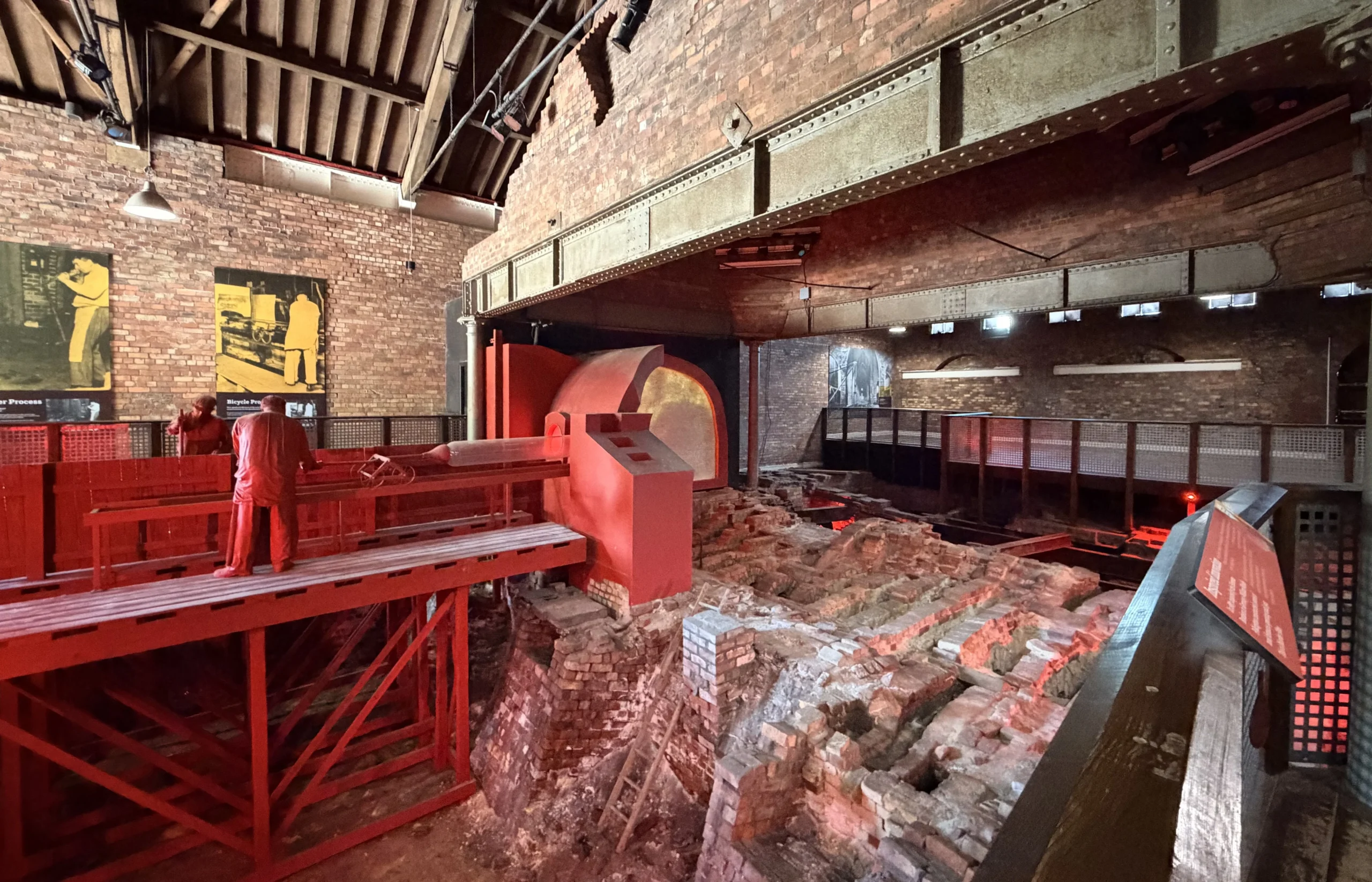
Unlike the Victorian street, the Tank House is not a reconstruction. Its brickwork and tunnels are part of the industrial site itself, offering physical evidence of the experimentation that helped make St Helens known around the world for glass. 

Sarah explains the site’s wider significance:

“Our heritage site is really significant because Tank House No. 9 is one of the earliest surviving examples of a continuous glassmaking furnace. William Windle Pilkington played an important part in developing the Siemens technology that allowed glass to be produced continuously, transforming the industry. St Helens went on to make another huge contribution when Sir Alastair Pilkington developed the float glass process here in the 1950s. It’s a process that is still used to produce flat glass all over the world today. I think that’s what makes St Helens so special — our glassmaking story has had a global impact, and it’s still continuing here.” 

The Hot Glass Studio

For many visitors, the live glassblowing demonstration will be the highlight of the day. It’s one thing to look at a finished bowl or vase in a display case, but it’s another to watch somebody make one from glowing hot glass right in front of you.

The expert glassmaker has to keep the material moving, judge its temperature and respond quickly as its shape changes. Watching the process also changes how the finished pieces elsewhere in the museum appear. You really appreciate the craftsmanship that goes into every piece.
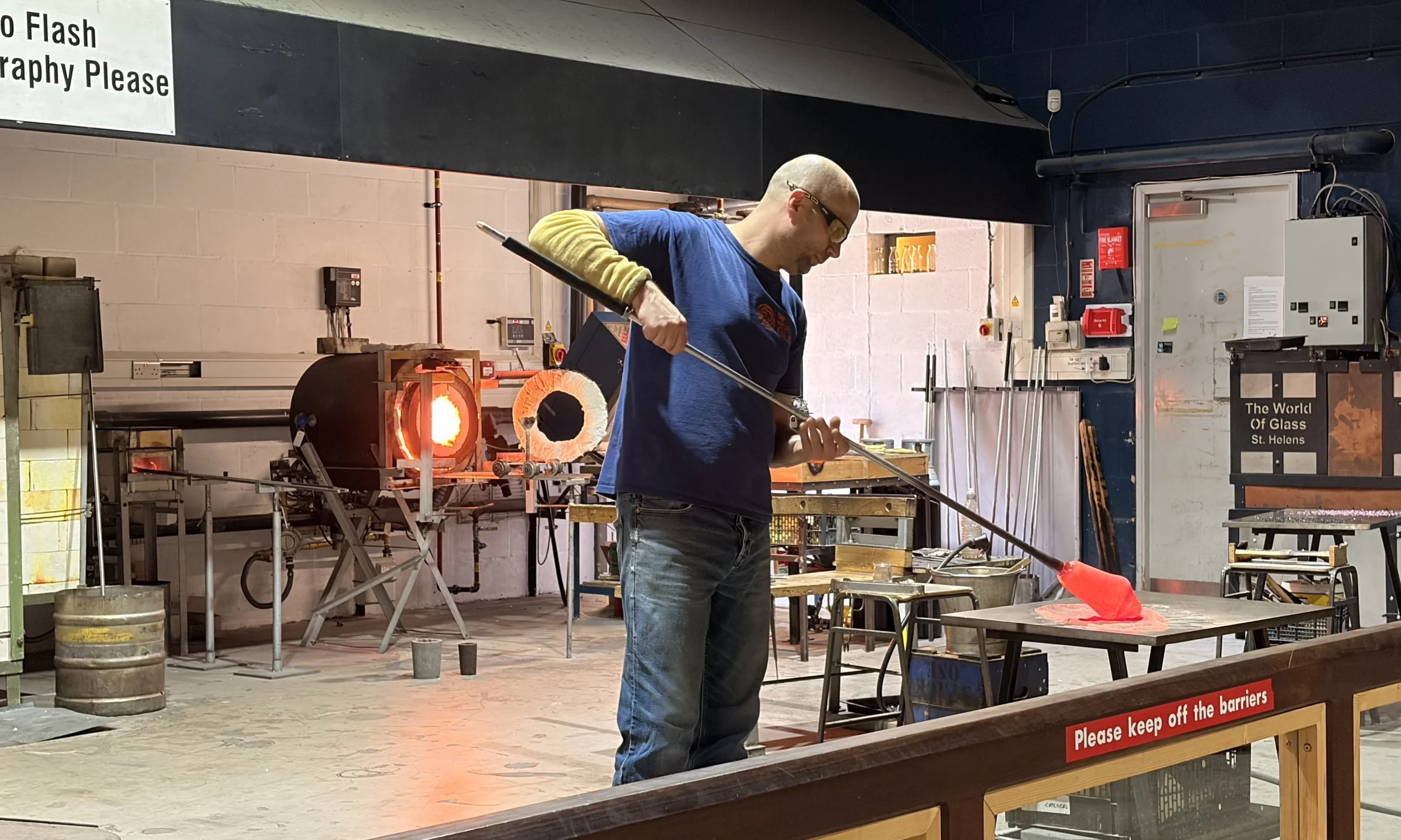
Sarah believes seeing the process first-hand is what makes the demonstration so memorable:

“I think with any creative process, it’s always fascinating to see how it works. Glass is particularly exciting because of the incredible temperatures it has to reach before it becomes workable. During the demonstration, you’ll get to see the process up close and hear how it all works, with a presenter there to explain what’s happening along the way. And you’ll even have the chance to ask questions, you leave with a real sense of how amazing glassblowing is. You don’t ever really look at glass the same after that” 

The studio also brings the story into the present: glass is still being shaped in St Helens today.

A Museum Rooted In The Town

The World of Glass could easily feel like several separate attractions: a family day out, an art collection, a science museum, a social-history experience and an industrial heritage site. Those different sides of the museum fit together because they all lead back to St Helens. 

The galleries show how industry shaped the town’s streets, communities and international reputation, while the contemporary collections and interactive displays demonstrate that glass remains an important part of the town’s identity today.
For Sarah, the museum is both a place for local people to connect with their heritage and an introduction to St Helens for those visiting for the first time:

“I think for local people, it’s an opportunity to share St Helens’ rich industrial heritage, when innovation was such an important part of the town’s success. Most people here have either been part of that journey themselves or have heard stories from family members from generations before. For our visitors, we’re not just a place to learn about our industrial heritage. For first-time visitors it gives you the chance to immerse yourself in beautiful art and gain an understanding of how this magical art form is brought to life. I think you leave with a completely different appreciation of glass and you can even buy a piece to take home!”

The World of Glass shows how the Liverpool City Region’s cultural and industrial history stretches beyond Liverpool’s waterfront. St Helens tells another part of that story.

Plan your visit

The World of Glass is on Chalon Way East, St Helens, around a five-to-ten-minute walk from St Helens Central station. The museum, galleries and Tank House are currently free to enter, while tickets are charged for live glassblowing demonstrations. There is also a café, shop and garden.

Opening days, demonstration times, ticket prices, parking details and temporary exhibitions can change. Check worldofglass.com before travelling, particularly if the glassblowing demonstration is central to your visit.

From 27–31 August, the International Festival of Glass brings even more creativity to the venue, with inspiring exhibitions, live demonstrations, workshops and special events.

How Bidston Observatory Became One of the North West’s Most Remarkable Creative Spaces

“When we were introduced to Bidston Observatory, we immediately knew it was very special,” say the co-directors of Bidston Observatory Artistic Research Centre (BOARC), Angelina Moana, Fi Fane-James, Ed Clive-Ponsonby-Fane and Kym Ward.

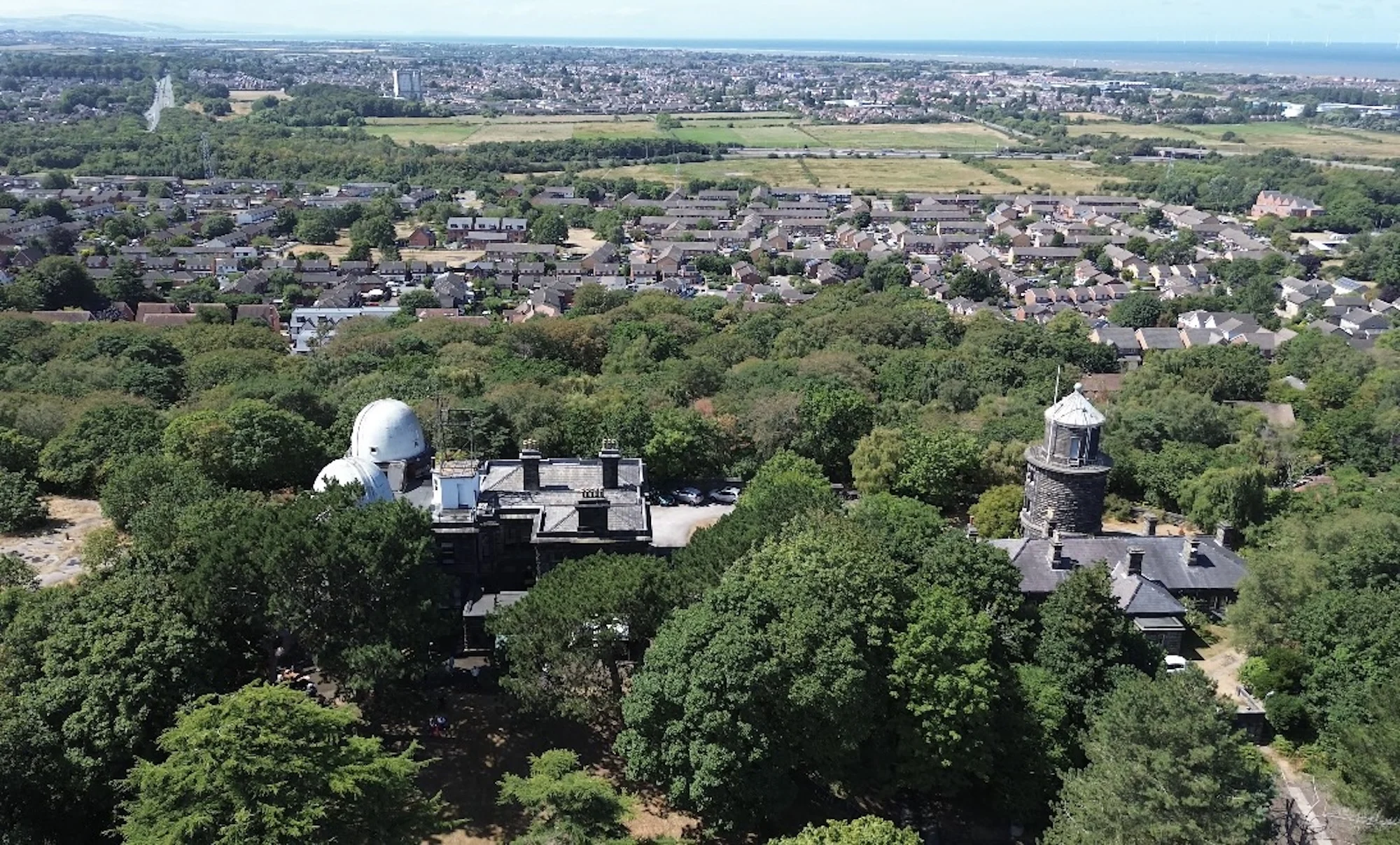
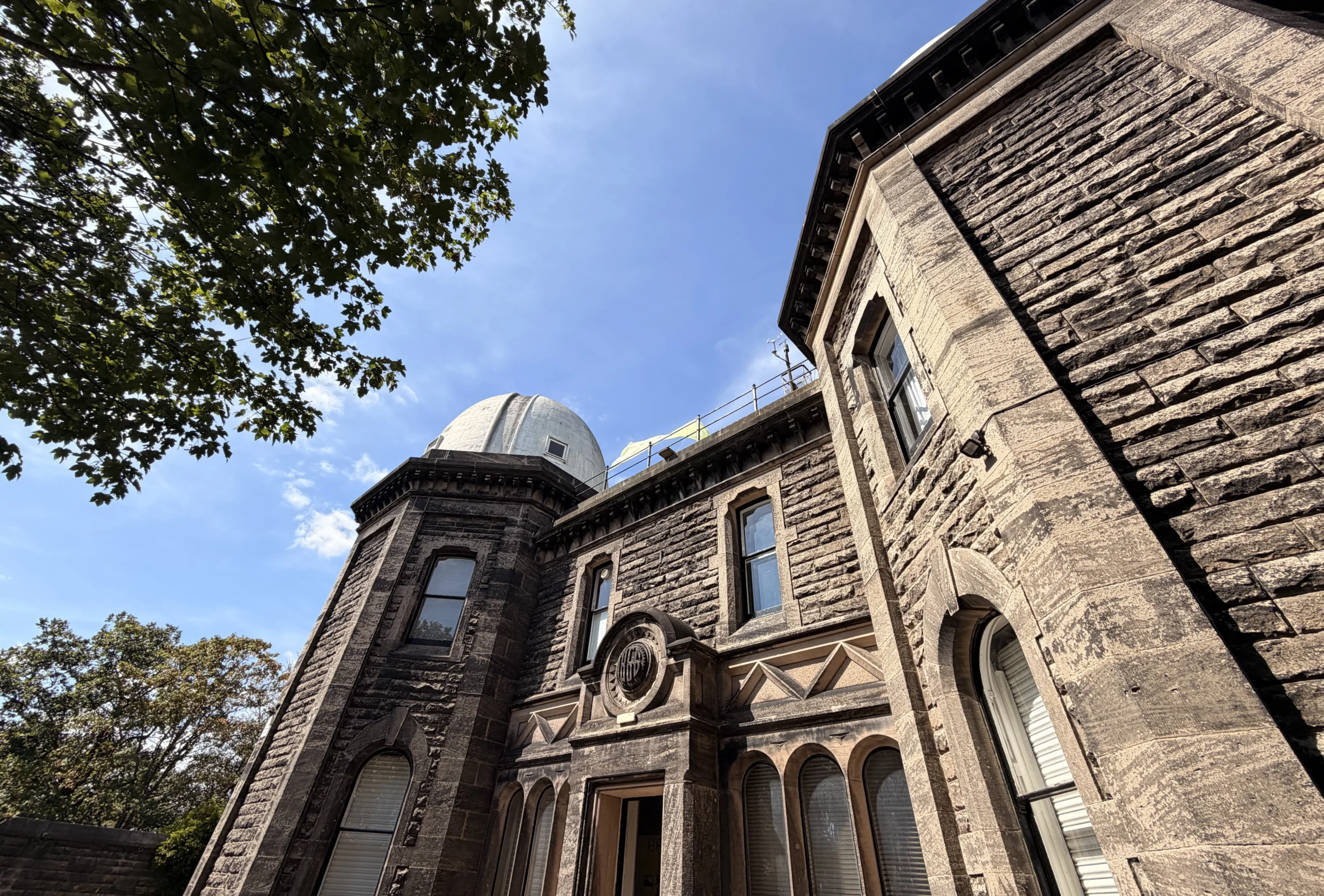
Perched above the Wirral, surrounded by woodland and stunning distant views of the Liverpool waterfront, Bidston Observatory feels a world away from the bustle of everyday life. Once a hub for scientific research, the Grade II-listed building is now home to BOARC – a self-organised residency space where artists, activists, researchers and collectives are given the time and freedom to explore their ideas without pressure.

Unlike many arts residencies, BOARC doesn’t require residents to produce finished work. Whether someone stays for a day, a weekend or several weeks, the focus is on creating the conditions for ideas to develop naturally. 

A Building That Shapes Creativity 

BOARC was established in 2019 after Ed, Fi and Kym spent three years searching for the right home for a project inspired by alternative arts spaces they had experienced across Europe. “There is a DIY arts space in France called Performing Arts Forum whose ethos we loved and our plan was to bring the model to the UK.”

When they discovered Bidston Observatory, they realised they had found somewhere unlike anywhere else. The three-year renovation gave the team a deeper understanding of the building and gradually reshaped their vision for the project.

“At first, we approached the building as a space to run the project, but over time the project came to be led by the building and our love for it. Our initial intentions changed shape as we discovered more about the building’s maritime and oceanographic histories. 

“Because of the importance of the building’s history, we knew right away that it should be kept more accessible for the general public and that practitioners would gain a lot from being able to work with the history of natural earth science research onsite.

“It’s a real honour to be a custodian of its heritage, and we hope that people make use of it for years to come,” said Fi Fane-James 

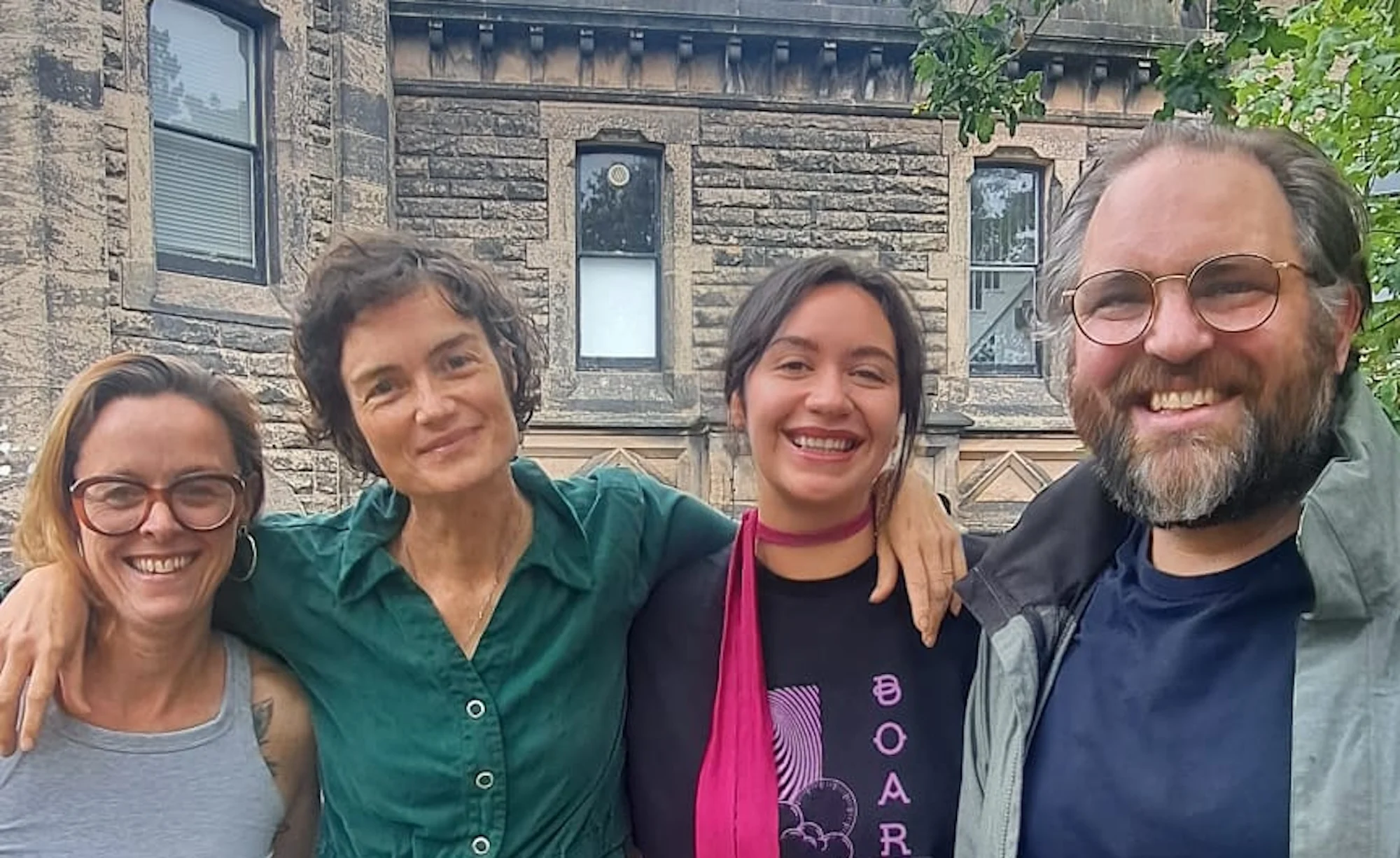
Left to right: Kym Ward, Fiona Fane-James, Angelina Moana and Ed Clive-Ponsonby-Fane

Because of its unique history, the observatory does more than simply house creative work—it actively influences it.

“The building was designed to stabilise temperature and vibrations in order to support multiple scientific instruments such as telescopes, sunshine recorders and chronometer testing beds. In this way, it is a supportive instrument in itself,” said Kym Ward

Its unusual architecture has naturally attracted musicians and sound artists, who make use of underground tunnels, circular domes and atmospheric basement spaces with unique acoustics. Elsewhere, the woodland surroundings and the building’s scientific legacy continue to inspire projects exploring climate, ecology and our relationship with the natural world.

Yet the building is only one part of what makes BOARC distinctive; its residency model is equally unique.

A Different Kind of Residency

The open approach at BOARC has attracted a diverse community. Visual artists, musicians and theatre-makers can find themselves sharing the building with philosophers, scientists, environmentalists and social activists, often exchanging ideas over communal dinners in the observatory’s central kitchen.

“People are free to use their time here in their own way,” the team explained. “This can be as an individual or with a group – just for the day, a couple of nights or even up to six weeks.”

The absence of formal applications was a conscious decision. Traditional residency programmes can unintentionally exclude people without formal arts education or established careers, whereas BOARC aims to create a space where curiosity and experimentation matter more than a CV.

One of BOARC’s defining principles is genuine experimentation — not simply trying new artistic techniques, but giving people permission to rethink their practice altogether.

“A lot of the time, people turn up with grand plans that get shelved the second they get here, in favour of something they never expected to be doing,” said Angelina Moana

Without deadlines, exhibition dates or social media expectations, residents often discover ideas that wouldn’t have emerged in their everyday lives. Some leave having started entirely new projects while others gain the headspace to reflect on existing work.

The team has also noticed that this experimentation can extend beyond residents’ creative practice. “Lots of people are actively putting themselves through processes of reinvention – you could say ‘re-emergence’. They test things out, try new ways of framing themselves,” said Kym. 

Built on Trust and Community

Running a large historic building without major institutional backing is no small task, but BOARC embraces a DIY philosophy that places trust at the heart of everything it does.

“We trust the people coming to use the project. We trust they know what they need, that they will treat the space with respect and add in when they can,” said Kym

That philosophy extends beyond the residency programme itself. Many workshops, reading groups and public events have grown organically from conversations around the dinner table, while visitors are encouraged to suggest new ideas and even help shape how the organisation develops.

The team has become increasingly focused on creating a sustainable community where collaboration replaces competition and people are encouraged to contribute however they can.

Looking to the Future

As BOARC approaches its next chapter, the team hopes to involve even more people in the life of the observatory.

They’re exploring the creation of advisory groups, welcoming volunteers with skills in areas such as marketing, finance and property, while also encouraging community organisers to programme regular events, workshops and discussions within the space. Plans are also underway for community maintenance days, bringing people together to help care for the building before sharing a communal meal.

For the team, the future isn’t about becoming bigger — it’s about strengthening the community that already exists around the observatory and finding new ways for people to play an active role in its continued success.

For anyone yet to discover the space, the invitation is simple: come and experience it for yourself.

Just 30 minutes from Liverpool city centre, Bidston Observatory Artistic Research Centre offers a rare opportunity to step away from the pace of everyday life and into an environment where creativity, conversation and experimentation are given the time they deserve. In an arts landscape often driven by deadlines and measurable outcomes, that might be its most radical idea of all.

For more information visit bidstonobservatory.org. Follow BOARC on Facebook and Instagram for updates.

Bluecoat Hosts Steve McQueen: Grenfell Alongside Public Events from Tate Liverpool

Steve McQueen, Grenfell, 2019 (still), courtesy the artist

Viewing Steve McQueen: Grenfell

Steve McQueen: Grenfell is a powerful, political film installation that asks viewers to sit with the memory and grief of the Grenfell Tower tragedy. First shown at Serpentine Galleries in 2023, the 24-minute film slowly approaches and then circles the burned remains of Grenfell Tower from a helicopter. There’s no narration, interviews, or music — just the tower itself, forcing the audience to sit with what happened in June 2017.

One of the film’s most powerful ideas is the contrast between everyday London life and the devastation Grenfell. It begins with calm aerial shots of the outskirts of London. Trees, fields, streets, and housing fill the screen before moving towards West London’s skyline. You hear normal city sounds like traffic and birdsong, but when Grenfell comes into view, the soundtrack drops into silence. It makes the tower feel separate from ordinary life, while also highlighting that this tradgey happened right in the middle of it.

The camera moves slowly around the building many times, from different angles, each time showing new details from both outside and inside the tower. Without music or commentary the audience has to confront the building directly. It feels more like standing at a memorial rather than watching a short film. McQueen allows the tower to simply exist on screen, asking viewers to witness it.

The film also quietly points to bigger issues around inequality and political failure. Grenfell Tower stood in one of the richest boroughs in Britain, yet the disaster exposed serious problems around housing, safety, and accountability.

Because of its slow pace and repetitive shots, the film feels closer to an art installation than a conventional film. There’s no clear ending or resolution, which reflects the fact that the conversations around justice and accountability after Grenfell are still ongoing.

Ultimately, Grenfell turns the tower into a kind of testimony. Through silence, repetition, and careful observation, Steve McQueen has created a film about grief and the importance of not forgetting what happened.

Public Events Responding to Steve McQueen: Grenfell

As part of the Grenfell film installation a day of free events will take place at the Bluecoat on Sunday 7 June, in partnership with the Grenfell Foundation and ahead of the 9th anniversary of the Grenfell Tower fire.

The events respond to the themes of the installation, exploring social justice, memory, and spontaneous acts of remembrance.

The first event, Loss, Legacy and the Law: Lessons from Grenfell and Hillsborough, brings together Grenfell United representatives Natasha Elcock and Ed Daffarn with Professor Helen Stalford and Professor Lydia Hayes from the University of Liverpool’s Centre for People’s Justice. The discussion will focus on the long fight for justice following Grenfell and Hillsborough, including progress towards the Hillsborough Law and the ongoing campaign for a legal duty of candour.

The second event, Responding, Repairing and Creating Together, features socially engaged artist Lisa Nash in conversation with Dr Robert Simpson from the University of Manchester. They will reflect on the aftermath of Grenfell and the Manchester Arena bombing, exploring how communities use creativity, memorials, and collective action to process tragedy. The session will also include a short participatory creative activity.

Event details

Loss, Legacy and the Law: Lessons from Grenfell and Hillsborough
7 June 2026, 13.00–14.30
The Bluecoat
More info

Responding, Repairing and Creating Together: Lisa Nash in conversation with Dr Robert Simpson
7 June 2026, 15.15–16.30
The Bluecoat
More info

Must-See Exhibitions in Liverpool and the City Region This Summer

Vomiting Marjaryasana on yoga mat, 2024 , KARST. Image Dom Moore ‘Jalsaghar’ installation view, CCA Glasow. Photography by Graeme Yule

If you’re after a cultural day out this summer, the Liverpool city region’s galleries are full of exhibitions that invite you to explore, question and reflect. Spanning photography, film, sculpture and contemporary art, these are some of the exhibitions in Liverpool and the city region catching our attention this season.

Steve McQueen: Grenfell, Bluecoat (16 May – 21 June)

Steve McQueen, Grenfell, 2019 (still), courtesy the artist

Steve McQueen’s film installation Grenfell is showing at The Bluecoat this summer, offering a quiet and powerful reflection on the 2017 Grenfell Tower tragedy, where 72 people lost their lives. Filmed before the building was covered, the work acts as a lasting record and space for remembrance. It’s free to attend (with timed tickets).

Gender Stories, Walker Art Gallery (16 May – 31 August)

Still from ‘The Mind is a Group Muscle’, Ree Bradley, 2025

Gender Stories at Walker Art Gallery explores how ideas of gender have shifted across time and cultures through art, objects and personal stories. Featuring work by artists including David Hockney and Grayson Perry, the exhibition looks at how gender intersects with identity, class and sexuality. Running from 16 May to 31 August 2026, it’s a thought-provoking and wide-ranging show.

Listening All Night To The Rain, Walker Art Gallery (16 May – 31 August)

Listening All Night To The Rain by John Akomfrah is on show at Walker Art Gallery, bringing his acclaimed multi-channel film installation from the 2024 Venice Biennale to Liverpool. Blending archival footage, sound and newly shot material, the work reflects on memory, migration and global histories through Akomfrah’s signature cinematic style. Running from 16 May to 31 August 2026, it’s an immersive and quietly powerful experience.

Sahjan Kooner: (darkforest) The Zone of Ghosts, FACT Liverpool (22 May – 16 August)

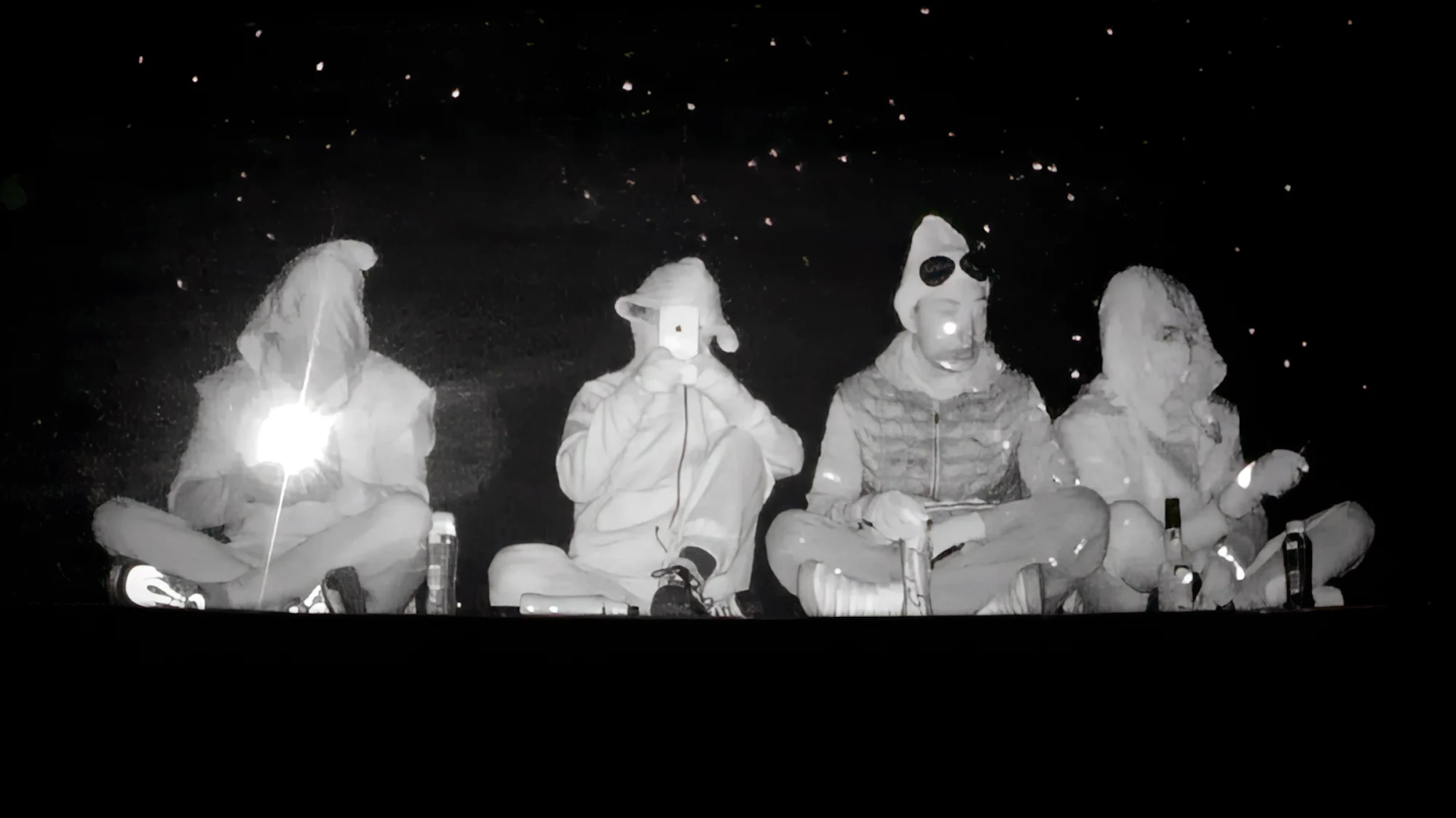
(darkforest) The Zone of Ghosts by Sahjan Kooner transforms FACT into an immersive speculative world shaped in collaboration with young people from Liverpool and Leigh. Blending gaming, film, installation and storytelling, the exhibition explores technology, identity and imagined futures through a dark forest-inspired setting. As the project evolves throughout the summer, new elements and collaborative works will continue to unfold within the space.

The Garden As Muse, Williamson Art Gallery (30 May – 25 July)

The Gardens

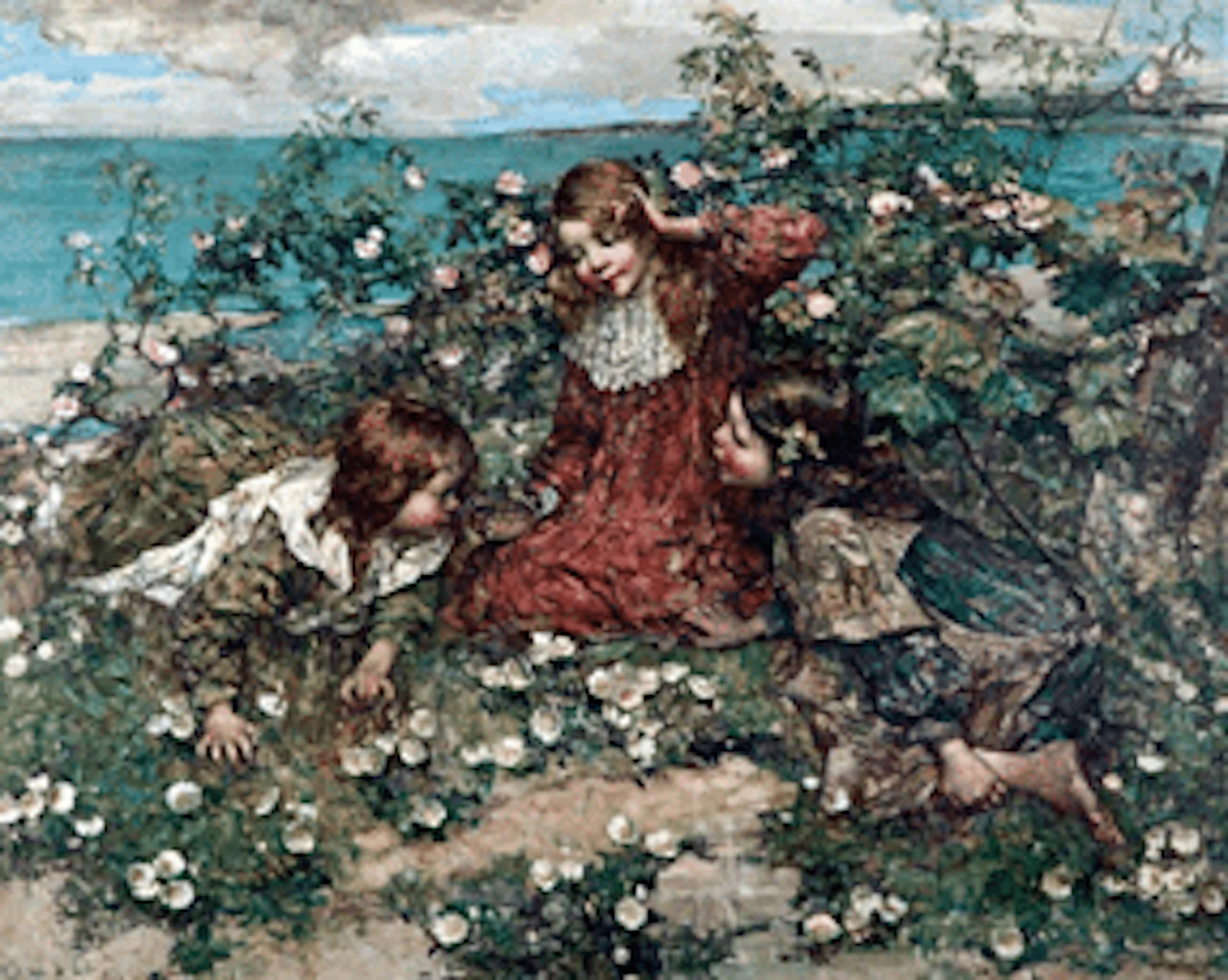
The Garden as Muse explores how gardens have inspired artists across time, from intimate studies to more imaginative, expansive works. Drawing from the gallery’s own collection, the exhibition looks at gardens as places of creativity, reflection and escape. Free to visit, it offers a calm and thoughtful way to experience art and nature side by side.

Absence, St George’s Hall (6 June – 11 July)

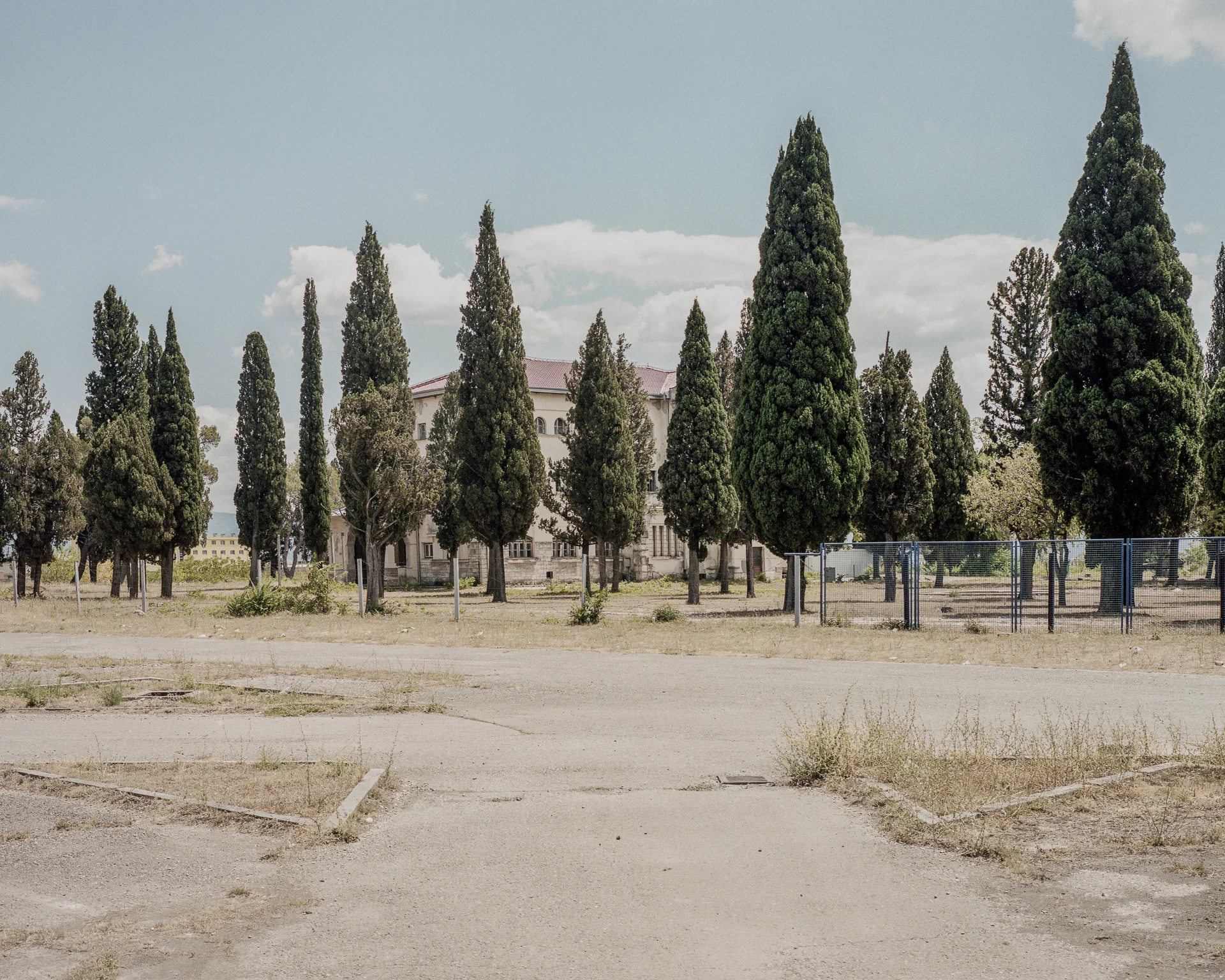
Paweł Starzec – Heliodrom, Mostar, 2017, from Makeshift series

Absence, presented by Open Eye Gallery, at St George’s Hall, bringing together over 100 photographs exploring what it means to capture what’s missing, overlooked or no longer there. Curated by Laura Harris and Maike Pötschulat, the exhibition spans deeply personal and global perspectives, from urban change to memory and loss. It runs from 5 June to 11 July 2026.

Selector: Mark Leckey Performances, Future Yard (11 – 14 June)

Turner Prize-winning artist Mark Leckey returns to Merseyside for Selector, a three-night programme of performances at Future Yard, in partnership with Tate Liverpool. Inspired by his deep connection to music culture and sound systems, Lecky combines live sets, DJing, experimental film and immersive AV. Highlights include live soundtracking to Leckey’s archive films, a set from Richie Culver, and an all-dayer of cutting-edge avant-garde music. Running 11–13 June, it’s a rare chance to experience Leckey’s world up close. Leckey will also appear in conversation with DJ, curator and multidisciplinary cultural producer Thristian at Tate Liverpool (RIBA North) on 10 June.

Liverpool Art Fair 2026, Royal Liver Building (12 June – 26 July)

Liverpool Art Fair 2025 at the Royal Liver Building
Liverpool Art Fair 2025

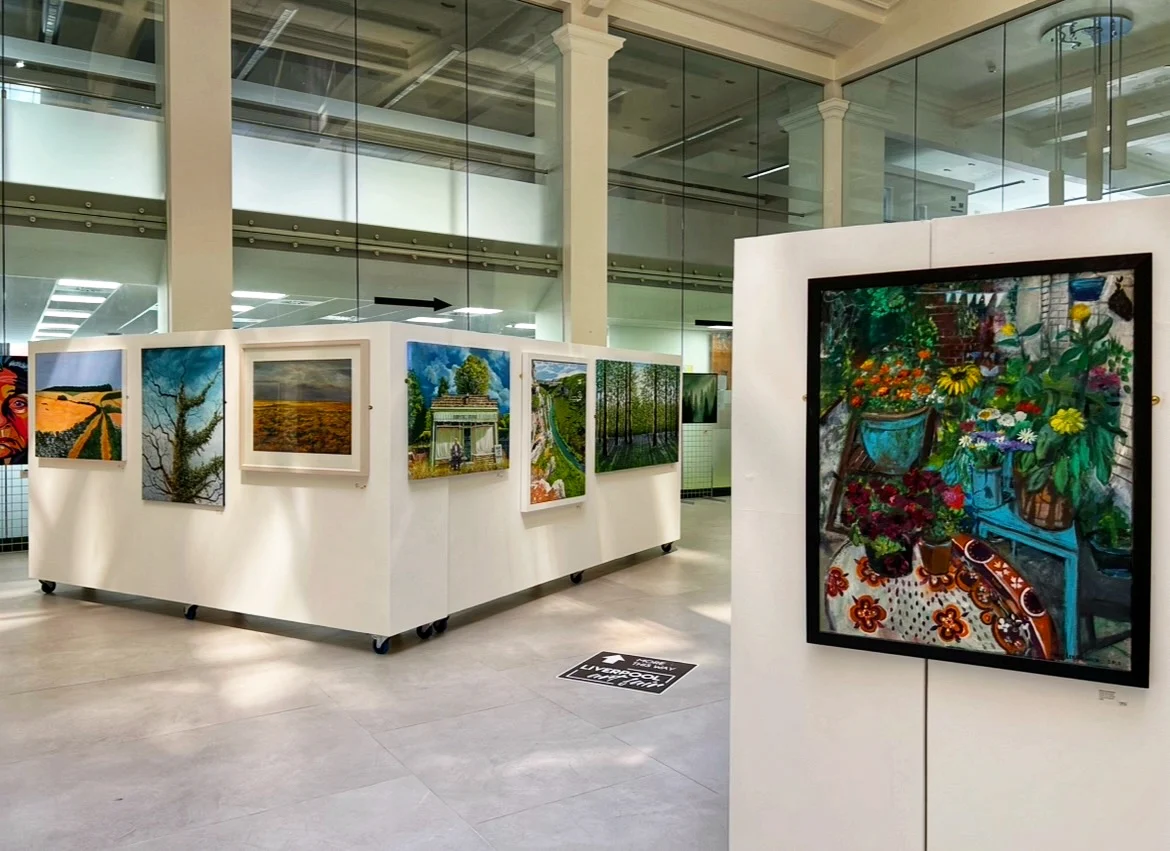
Liverpool Art Fair returns to Royal Liver Building for its 12th edition, showcasing work from hundreds of artists across the region. Organised by dot-art, the fair is known for its welcoming, accessible approach, with original artworks starting from as little as £25. It’s a great chance to discover and take home something new while supporting local talent.

ANTIQUITIA by Zahed Taj-Eddin, The Atkinson (13 June – 10 October)

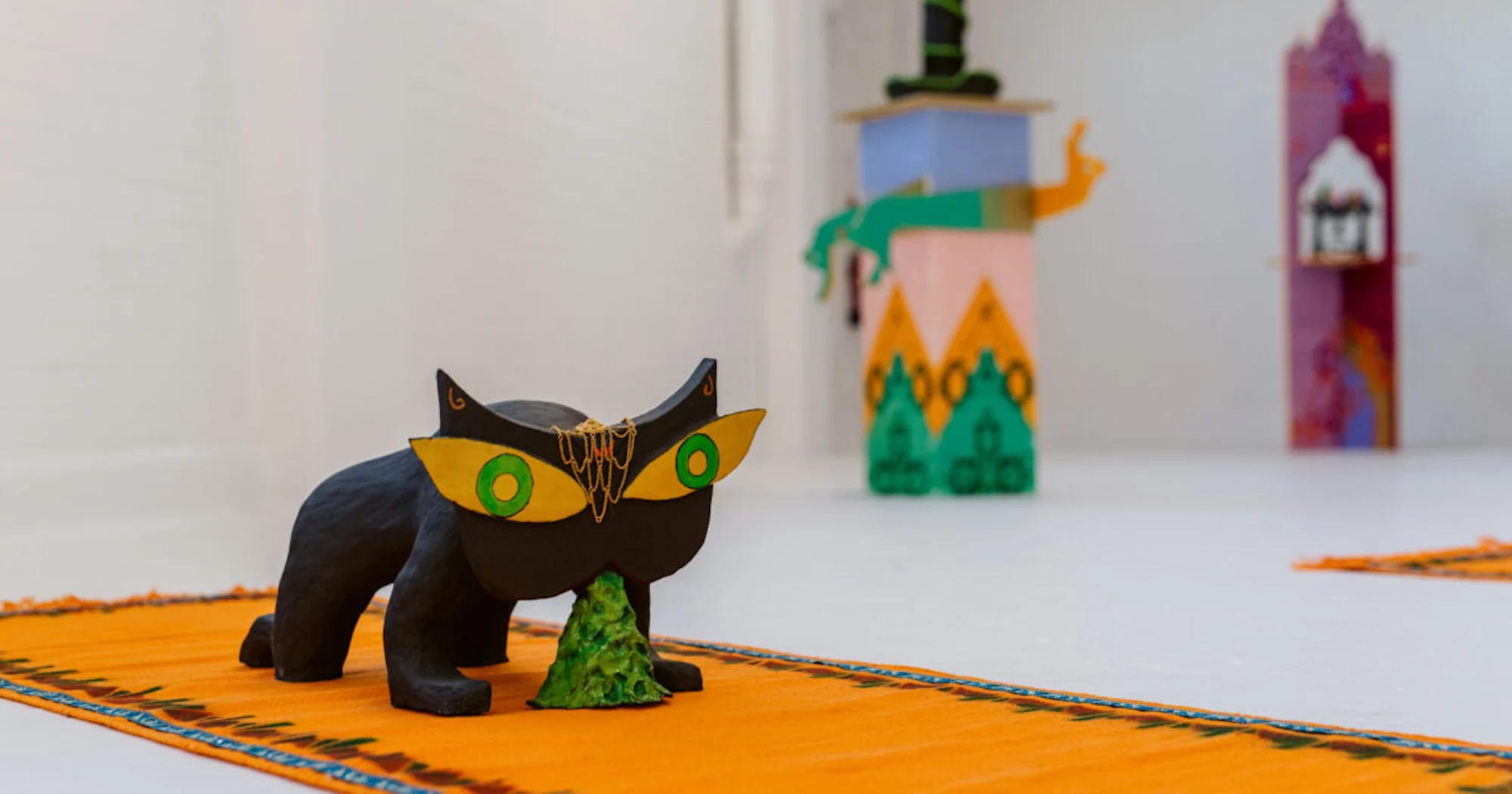
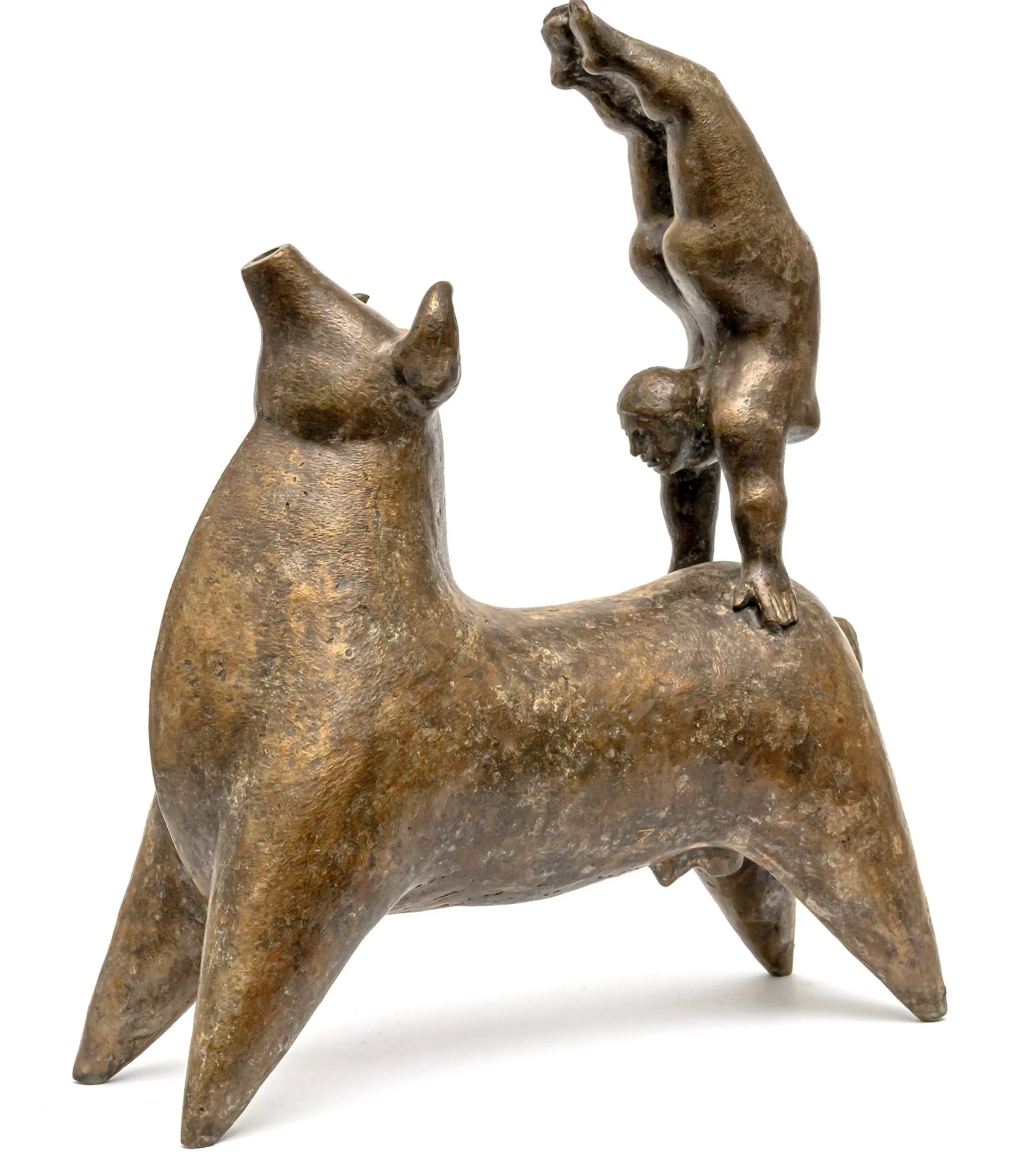
ANTIQUITIA presents sculptural work by Zahed Taj-Eddin, whose pieces draw on his roots in Aleppo to explore memory, myth and collective trauma. Using clay and bronze, his figures—ranging from symbolic animals to powerful female forms—feel both ancient and strikingly contemporary. The exhibition offers a thoughtful reflection on resilience, survival and the traces we leave behind.

Always Something New, The Atkinson (13 June – 17 October)

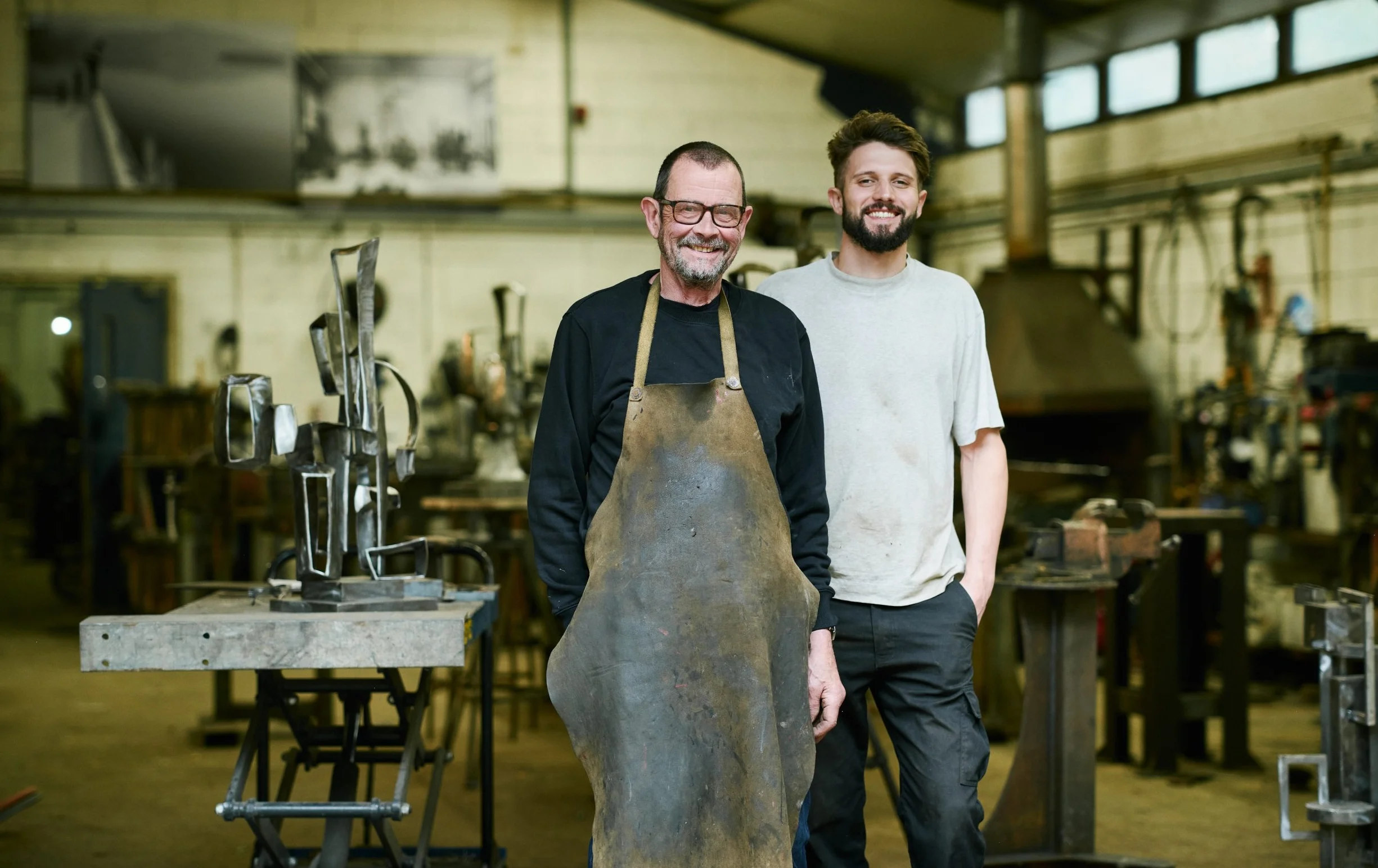
Always Something New at The Atkinson brings together the work of father-and-son sculptors Brian Fell and George Fell. Spanning four decades, the exhibition highlights their public artworks alongside more personal pieces, offering a glimpse into their shared craft and creative relationship.

Our Freedom: Then and Now, Open Eye Gallery (15 June – 10 July)

Credit: Sam Ivin

Our Freedom: Then and Now arrives at Open Eye Gallery as part of a UK-wide touring exhibition marking 80 years since the end of the Second World War. Bringing together photography from communities across the country, it reflects on what freedom meant in 1945 and how it’s understood today.

Jalsaghar, The Bluecoat (11 July – 6 September)

Vomiting Marjaryasana on yoga mat, 2024 , KARST. Image Dom Moore ‘Jalsaghar’ installation view, CCA Glasow. Photography by Graeme Yule

Jalsaghar is a vibrant solo exhibition by Debjani Banerjee at The Bluecoat, blending film, sculpture and installation to explore identity, heritage and cultural crossover. Inspired by the idea of a ‘music room’, the gallery becomes an immersive, sensory space shaped by stories, sound and symbolism.

To discover more of what’s on from across the Liverpool city region check out our events listings.

10 Unmissable Events in Liverpool and the City Region In May

Our Public House

May is shaping up to be a huge month for arts and culture across the Liverpool and the city region, with everything from major theatre premieres and the return of Comic Con Liverpool to grassroots exhibitions, live music and more. It’s a big month for theatre fans, with some really exciting productions heading to the big stage, plus highlights like Steve McQueen’s Grenfell film installation and Liverpool’s longest-running literary festival, WoWFEST 26, it’s going to be an action-packed month! Here are 10 unmissable events in Liverpool the city region this May.

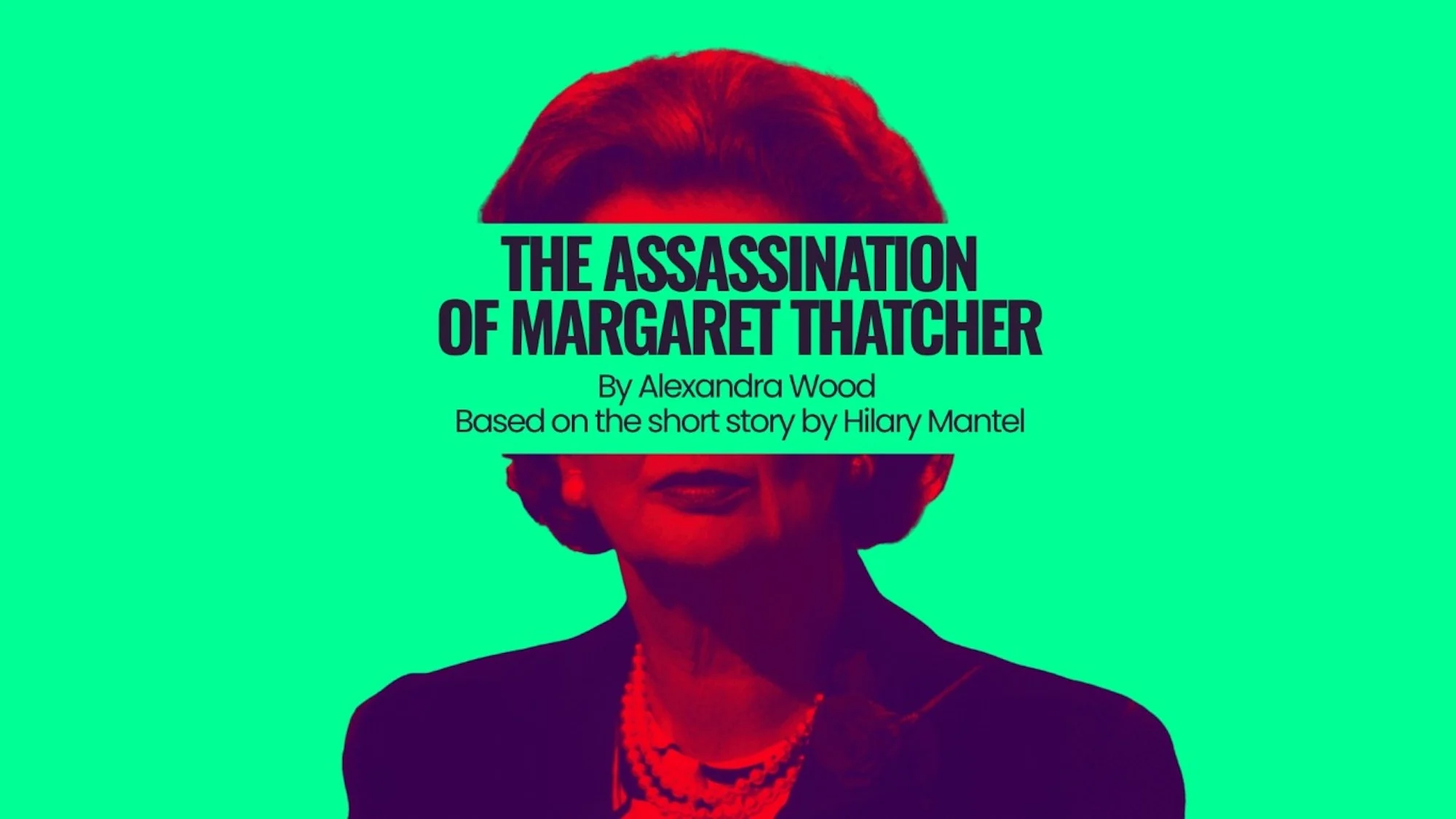
1. The Assassination of Margaret Thatcher, Everyman Theatre (2 – 23 May)

A bold world premiere lands at Liverpool Everyman Theatre with The Assassination of Margaret Thatcher. Adapted from a story by Hilary Mantel, this tense two-hander imagines a chilling “what if?” moment in 1983, as Margaret Thatcher prepares to leave hospital. Described as a darkly funny, tension-filled show, it promises to be a politically charged piece that digs into power, class and the impact of one life-changing decision.

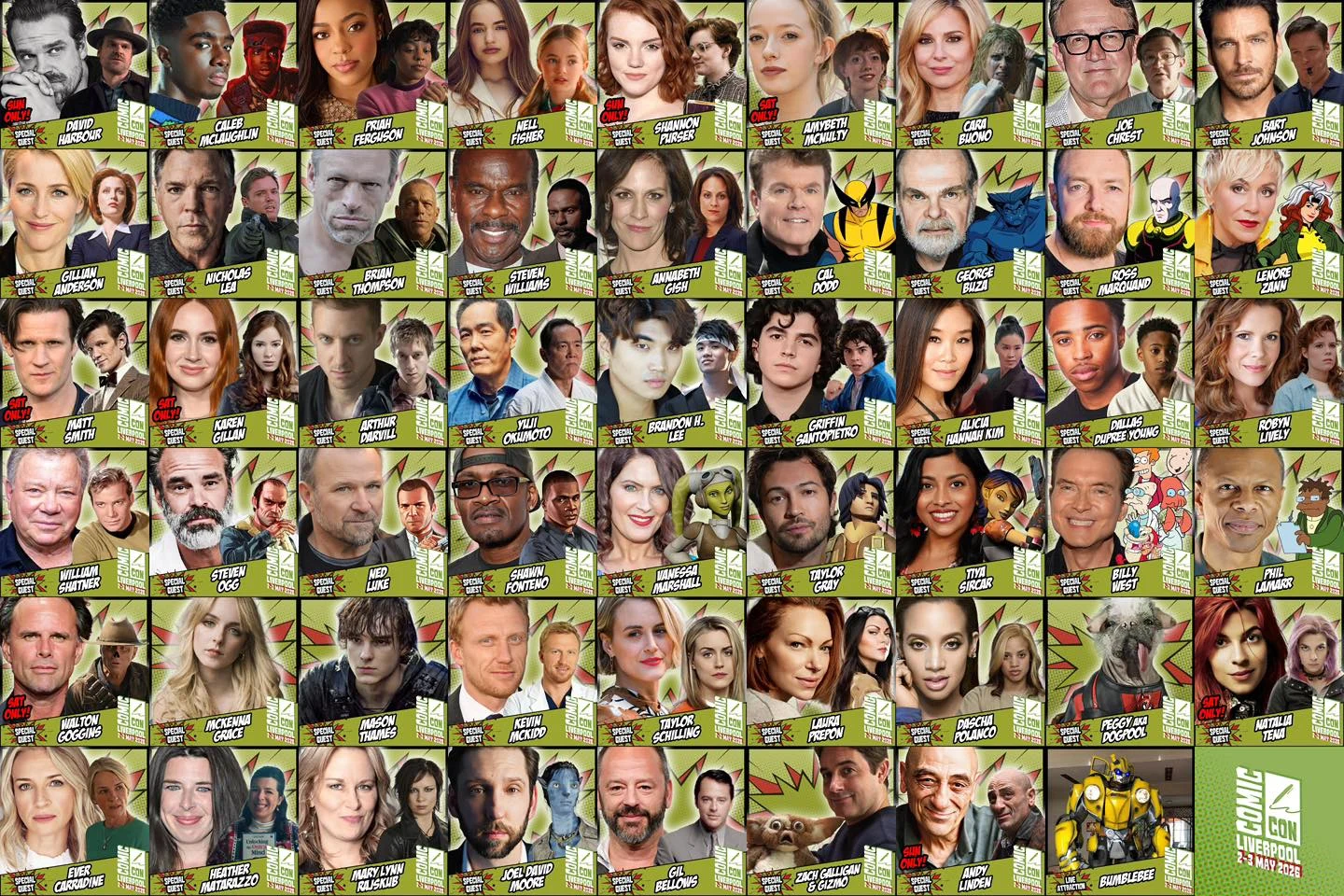
2. Comic Con Liverpool, Liverpool Experience Campus (2-3 May)

One of the biggest dates in the pop culture calendar, Comic Con Liverpool returns to the Liverpool Experience Campus on 2–3 May 2026, taking over the entire waterfront campus (including the Convention Centre, Exhibition Centre, Arena and Auditorium). Special guests include William Shatner, Gillian Anderson, Noah Schnapp and many more. Plus, there’s cosplay, live panels, gaming zones and a huge marketplace filled with artists and traders.

3. The Rocky Horror Show, Liverpool Empire (4-9 May)

Unmissable Events In Liverpool This May - The Rocky Horror Show Calling at Liverpool Empire Theatre This May

Cult classic The Rocky Horror Show calls at the Liverpool Empire Theatre as part of a brand new world tour, starring Jason Donovan as the iconic Frank-n-Furter alongside Jackie Clune as the Narrator. The Rocky Horror Show follows straight-laced couple Brad and his fiancée Janet, whose journey takes a strange turn when their car breaks down outside a creepy mansion on the way to visit an old college professor. What unfolds is a gloriously weird and wonderfully chaotic adventure you won’t forget in a hurry.

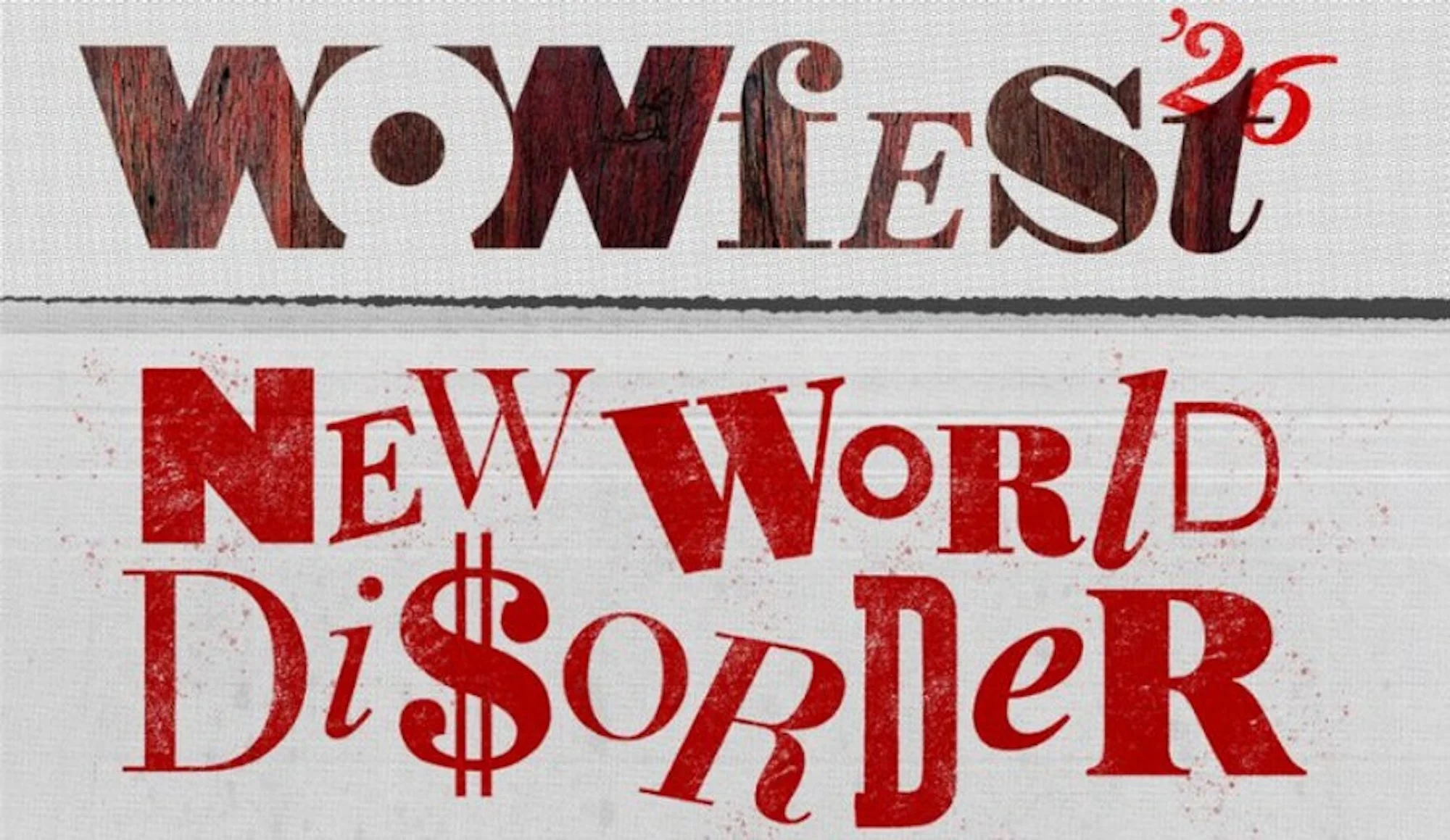
4. WoWFEST 2026: New World Disorder, Various Venues (Throughout May)

Liverpool’s longest-running literary festival returns with a powerful new theme as WoWFEST26: New World Disorder takes over venues across the city. Led by Writing on the Wall, this year’s programme brings together writers, artists and activists to tackle the big issues shaping the world right now – from inequality and disinformation to AI and global conflict. There will be plenty of bold conversations with inspiring voices and lots of thought-provoking moments, all rooted in the belief that creativity can challenge power and spark change.

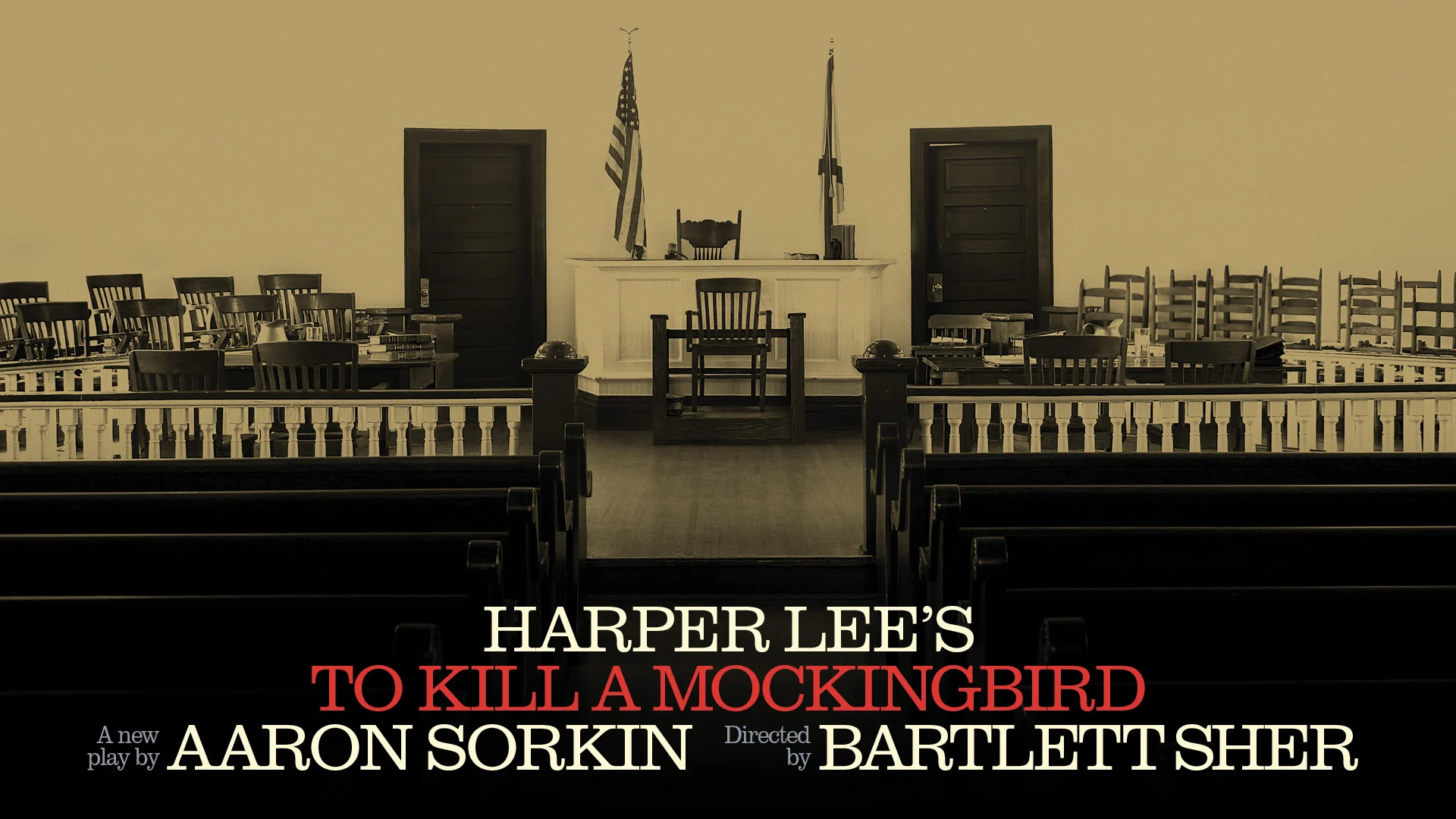
5. To Kill A Mockingbird, Liverpool Empire (12-16 May)

Aaron Sorkin’s acclaimed stage adaptation of To Kill a Mockingbird arrives at Liverpool Empire Theatre, in one of the most highly anticipated theatre events of the season, bringing this powerful courtroom drama to the city. Based on Harper Lee’s classic novel, the story follows lawyer Atticus Finch as he stands up for justice in 1930s Alabama, testing his beliefs in a deeply divided town. This thought-provoking and emotionally charged story still hits hard today.

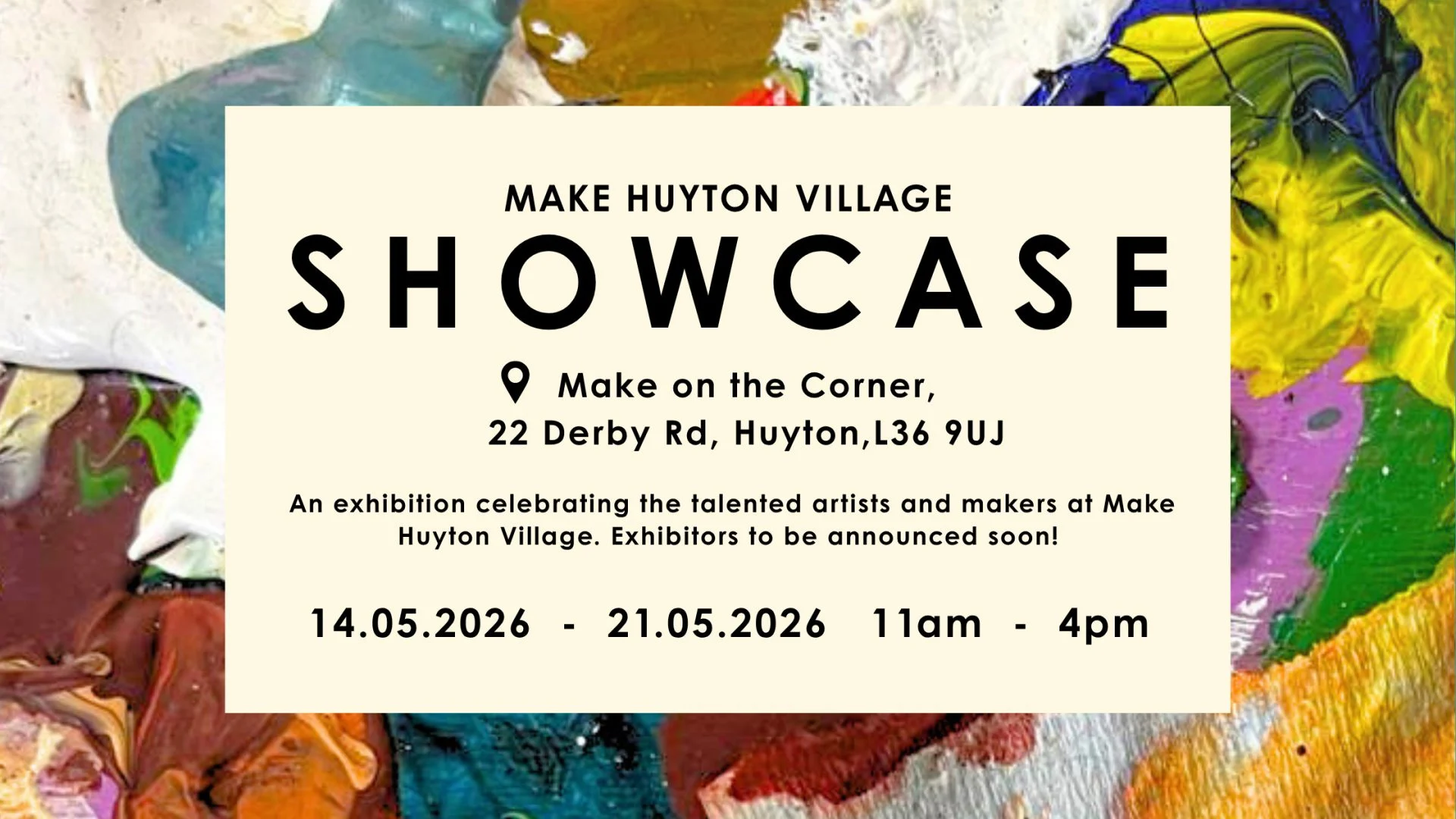
6. Make Huyton Village Showcase, Make on the Corner (14-21 May)

From 14–21 May 2026, Huyton Village becomes a creative hotspot as the Make Huyton Village Showcase takes over Make on the Corner. Showcasing work by residents of Make CIC’s Huyton hub, the week-long exhibition features everything from fine art and costume design to handmade crafts and interactive pieces. It’s a chance to discover local talent up close and see just how much creativity is thriving in Knowsley.

7. Steve McQueen: Grenfell, Bluecoat (16 May – 21 June)

Steve McQueen, Grenfell, 2019 (still), courtesy the artist

Steve McQueen’s powerful film installation Grenfell comes to The Bluecoat from 16 May to 21 June, in a co-production with Tate Liverpool. Created in response to the 2017 Grenfell Tower fire, the work offers a stark visual record of the building before it was covered over, honouring the 72 lives lost. Screenings will take place at set times, with free entry available via timed tickets, offering a space for reflection on one of the UK’s most devastating tragedies.

8. Highwaymen! What About The Women?, The Atkinson (21 May)

A fascinating talk is set to take place at The Atkinson with Highwaymen! What About The Women? by Margaret Holbrook, exploring the often overlooked stories of women who rode the highways of 17th and 18th century England. Based on Holbrook’s book of the same name, the talk delves into the dangerous but intriguing lives of female highwaymen – from independence and adventure to the very real risks of capture, punishment and execution. The evening also includes a book signing, with copies available to buy on the night.

9. Roller Derby, Future Yard (22 May)

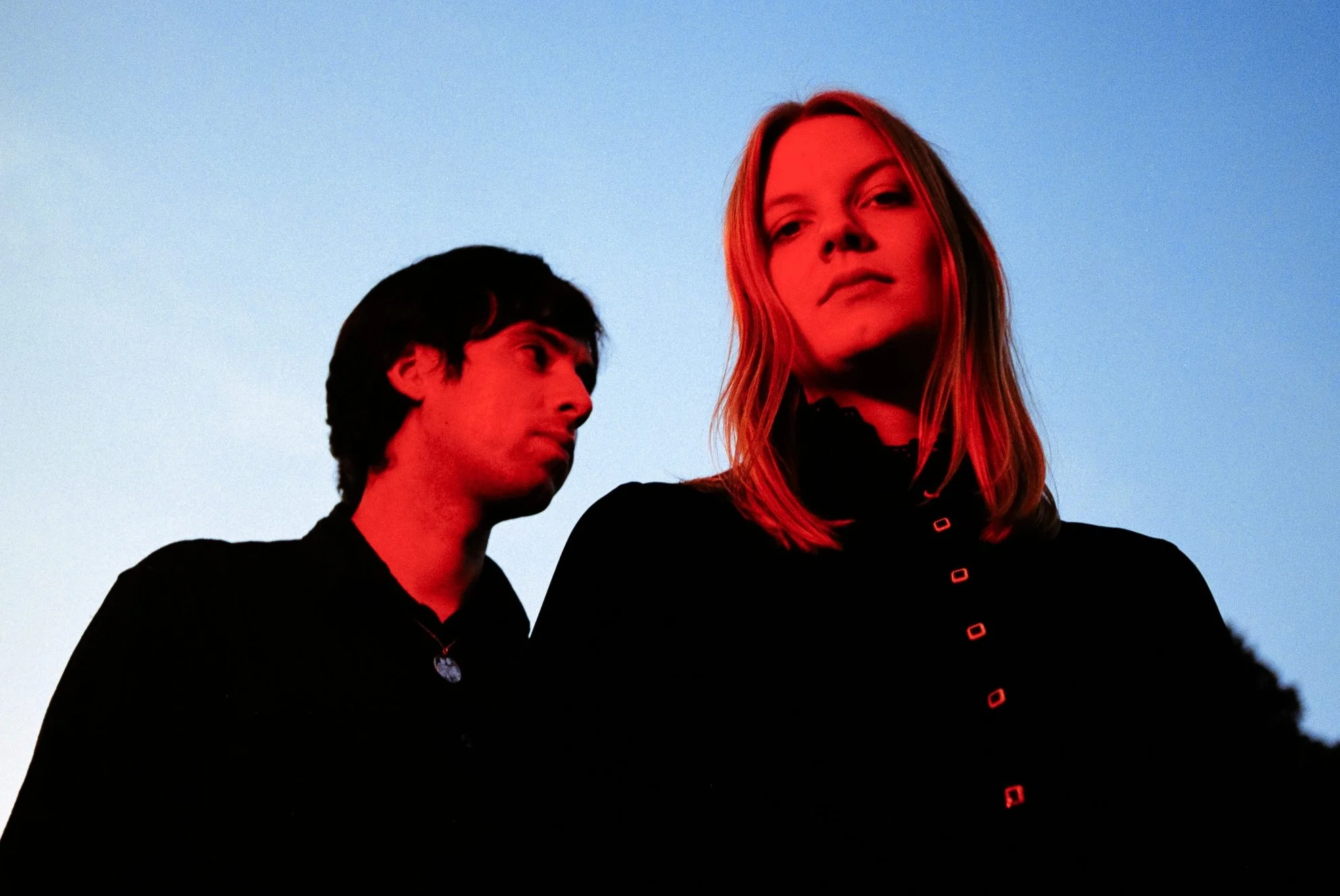
Hamburg dream-pop duo Roller Derby head to Future Yard for a much-anticipated live show in their intimate live room. Blending 60s melodies with 80s textures and modern indie pop, their sound is hazy yet hook-filled, with Philine Meyer’s vocals drifting over warm, melodic guitar lines from Manuel Romero Soria. Fresh from sold-out European and UK tours, this is set to be a standout night for fans of dreamy, atmospheric indie.

10. Our Public House, Shakespeare North Playhouse (26-30 May)

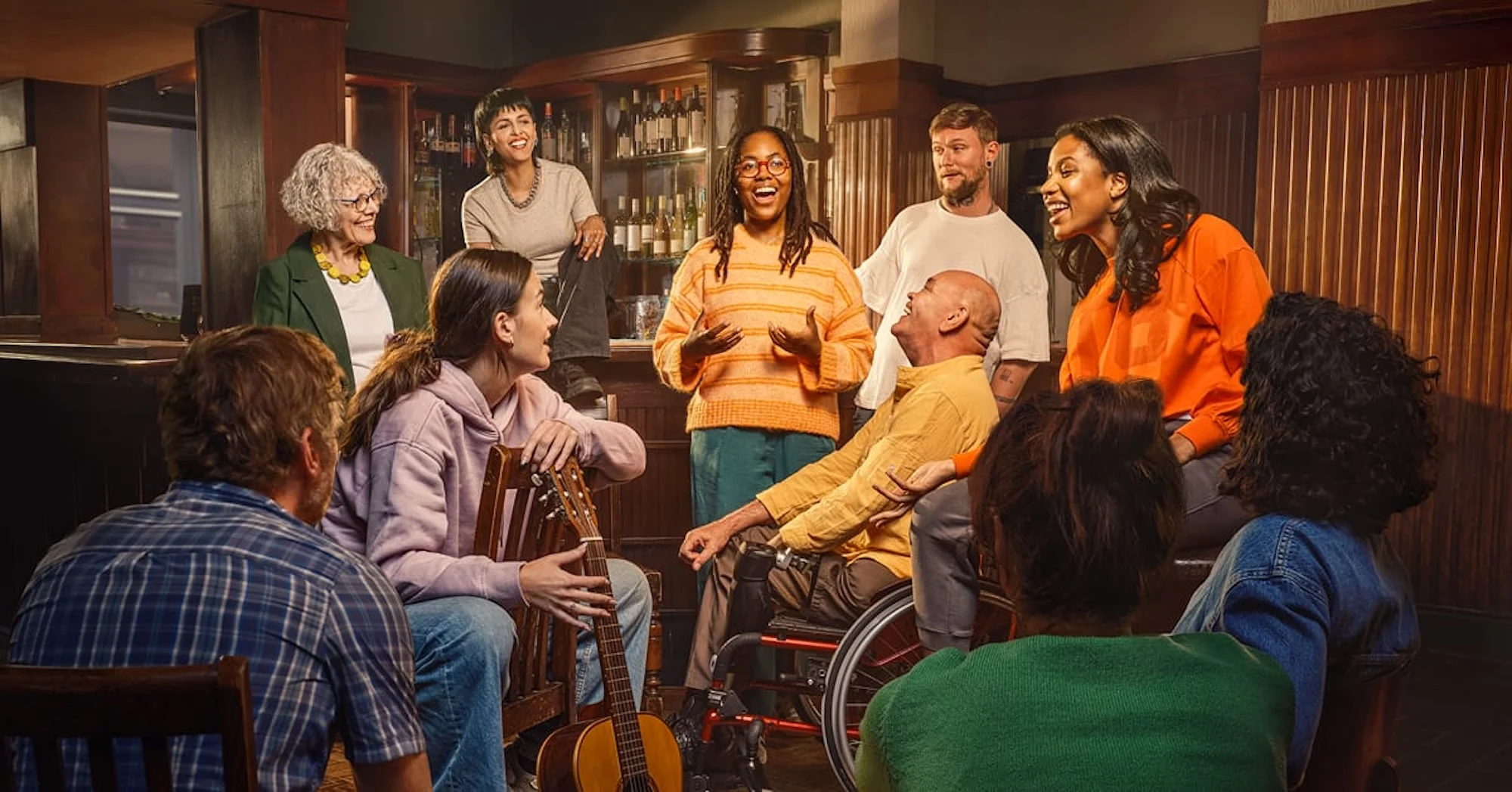
A stormy night traps everyone inside a local pub in Our Public House, a funny, big-hearted new show coming to the Shakespeare North Playhouse. Landlady Sanjana, regulars and a few unexpected arrivals are all stuck together as tensions rise, secrets come out and people finally say what they really think. With live music and real voices from across England woven in, it’s a funny yet sharp look at community, change and speaking your mind.

To discover even more, you’ll find 100+ event listings via our What’s On listings.

Creative Workshops in Liverpool and the City Region: Art, Writing, Print & More

A person's hands shown using a screen printing technique

There are lots of creative workshops in Liverpool and the city region this spring, so we’ve brought a selection together to inspire you to try something new or pick up an old hobby. There’s printmaking, photography, poetry, performance, bookbinding and more. These sessions are led by artists, organisations and independent creative spaces rooted in the local scene, offering something for everyone regardless of experience level.

Take a look at what’s on offer and find a creative workshop in Liverpool and the city region that inspires you.

Writing, Poetry & Storytelling

Writing on the Wall: The Writer’s Bloc (Various Dates)

Writing on the Wall’s Writer’s Bloc brings together a community of writers and creative thinkers from across the Liverpool City Region, creating welcoming spaces where writers of all backgrounds can write, connect and grow together. There’s upcoming sessions at Toxteth Library (24 April),  Birkenhead Library (27 April, 11 May) and Bootle Library (29 April, 13 May).

Poetry Workshop for Refugees and Migrants, Open Eye Gallery (5 May)

a collages of colourful imagery
Credit: Sandra Mutukwa

If you are 18 and over, and identify as a refugee or migrant, you are invited to take part in a poetry workshop as part of the Immigrant Scar collaborative project exploring shared experiences of migration. You would be invited to view some artwork, play a card game, and participate in co-producing a free verse poem at Open Eye Gallery. If you are interested and would like more information, please register at Eventbrite or contact Principal Investigator Sandra Mutukwa, LJMU postgraduate student: S.Mutukwa@2022.ljmu.ac.uk.

Creating the Comic: Storytelling, Collaboration and What Comes Next, The Library at LJMU (22 April)

a long table stacked with books, with people browsing in the background

This combined talk and workshop invites people to explore the process behind creating the Drawing on Forced Marriage: Teaching Tough Topics Through Comics project and comic. We will hear from Hannah Baumeister, Senior Lecturer at LJMU who will share the story behind the comic—how it was developed, the collaborative process, the research insights that shaped it, and the decisions behind the visual and narrative style.

Art & Printmaking Workshops

Creative Bookbinding Techniques, Bluecoat (25 April)

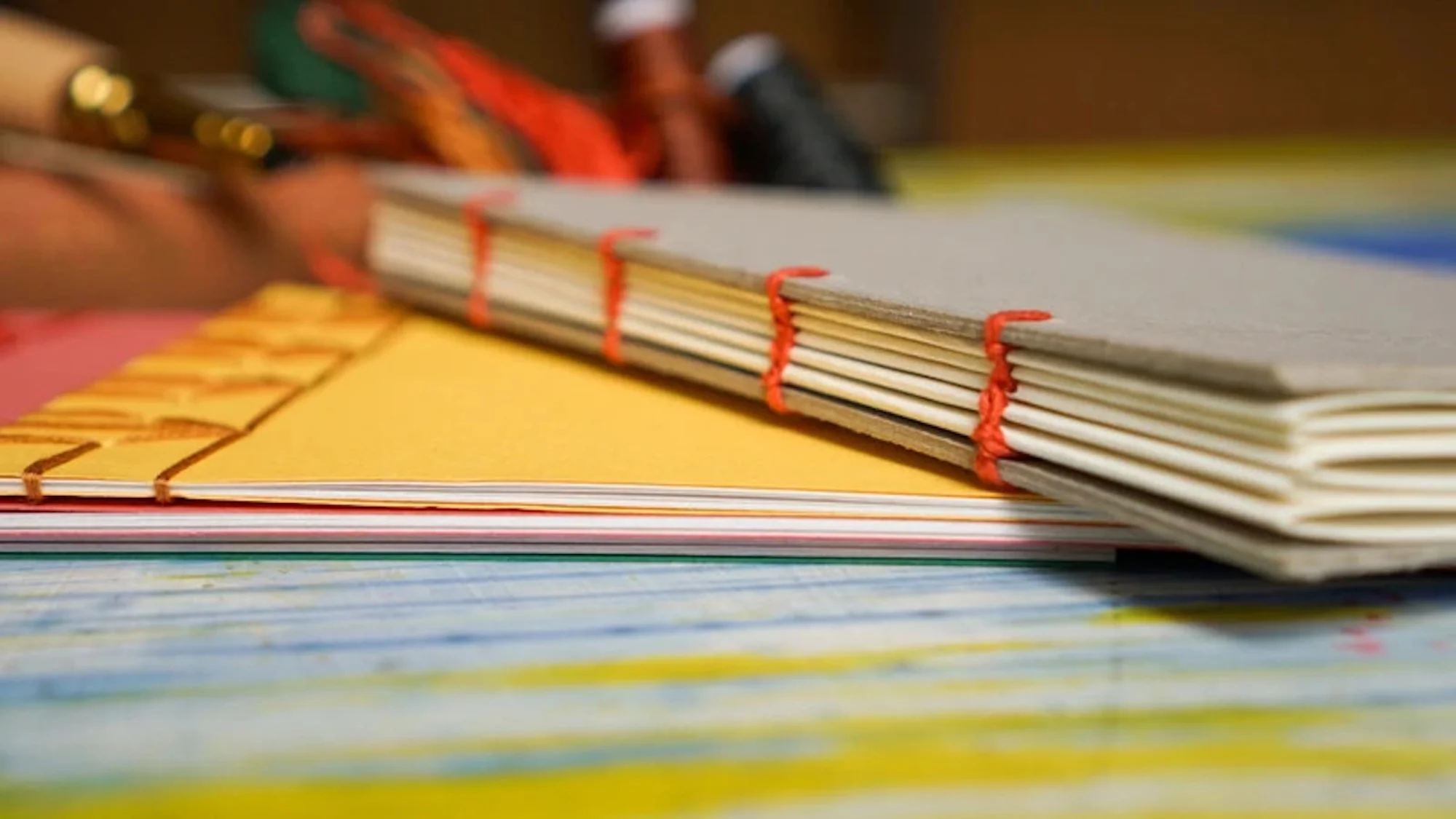
Yellow and grey notebooks on a table

Get hands-on with the craft of bookbinding in this practical one day workshop exploring traditional bookbinding techniques – Japanese Stab Stitch, Blizzard Binding and Concertina Binding. You’ll end the session with a set of handmade, hand-bound books to take home.

Introduction to UV Screen Printing, Bluecoat (9 May)

A person's hands shown using a screen printing technique

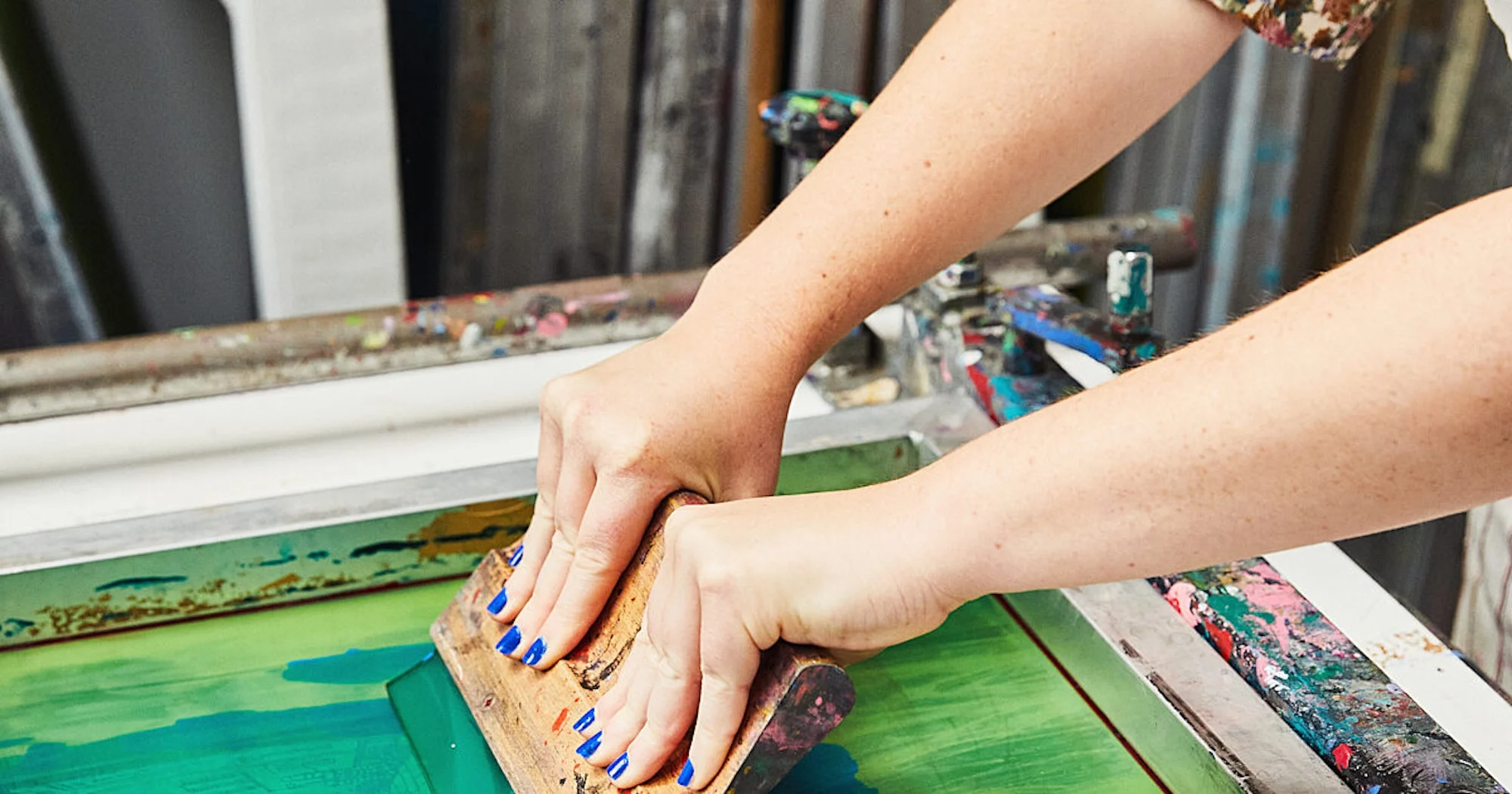
During this one day UV screen printing course you will learn the basics of screen printing, including learning about the materials used and processes involved in creating a UV exposed screen. After preparing and exposing your own screen, you’ll get time to draw your own image to print, or you can bring a suitable image with you.

Print for Beginners, Bluecoat (9-10 May)

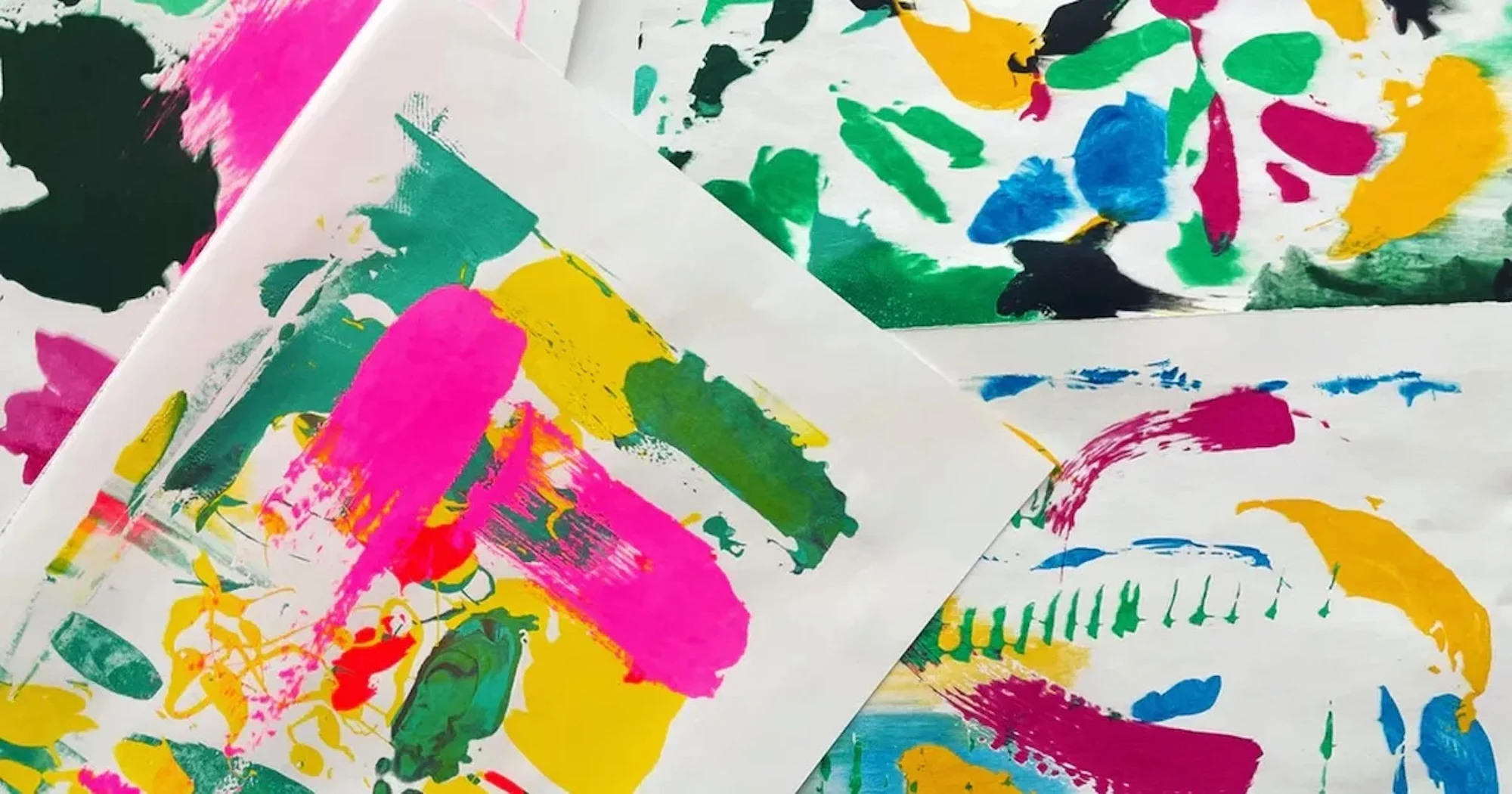
Coloured paintings scattered

This weekend course is a perfect taster session into three areas of printmaking; Planographic, Relief and Intaglio printmaking. The course is designed for beginners who would like an introduction to printmaking and those who would like a taster of different printmaking techniques before committing to a day course.

Introduction to Woodcut Printing, Bluecoat (6 June)

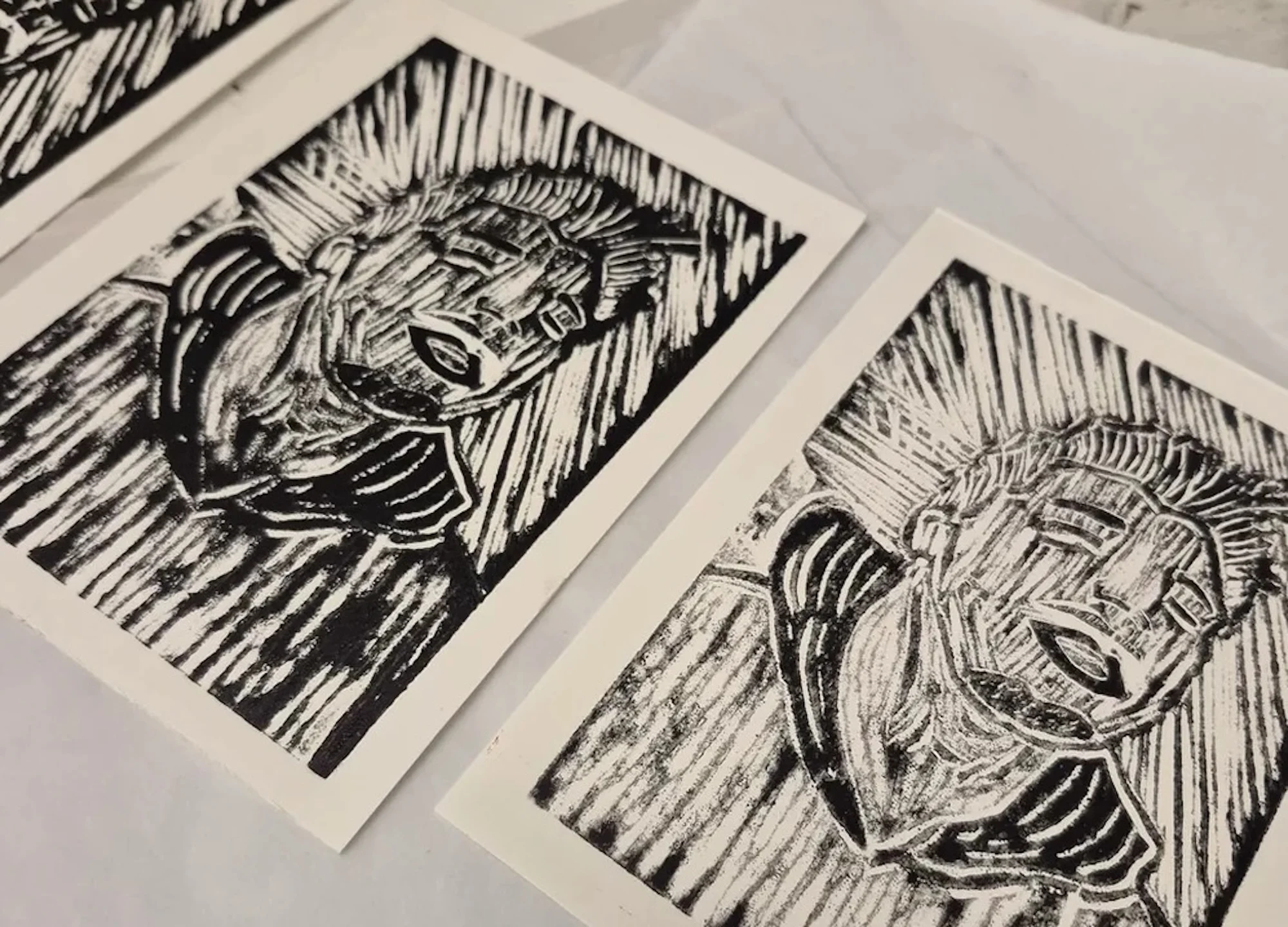
Carved wood blocks with people's faces etched into them

The woodcut printing technique involves carving a design into a wooden block leaving a raised design. This is then inked and printed to reveal a distinct wood grain texture and tactile quality in the print. In this one day session you’ll learn the basics of woodcut printing and leave the workshop with a small edition of prints, your original wood blocks and the knowledge and confidence to continue the process yourself.

Still Life Drawing & Screen Printing, Bluecoat (13 June)

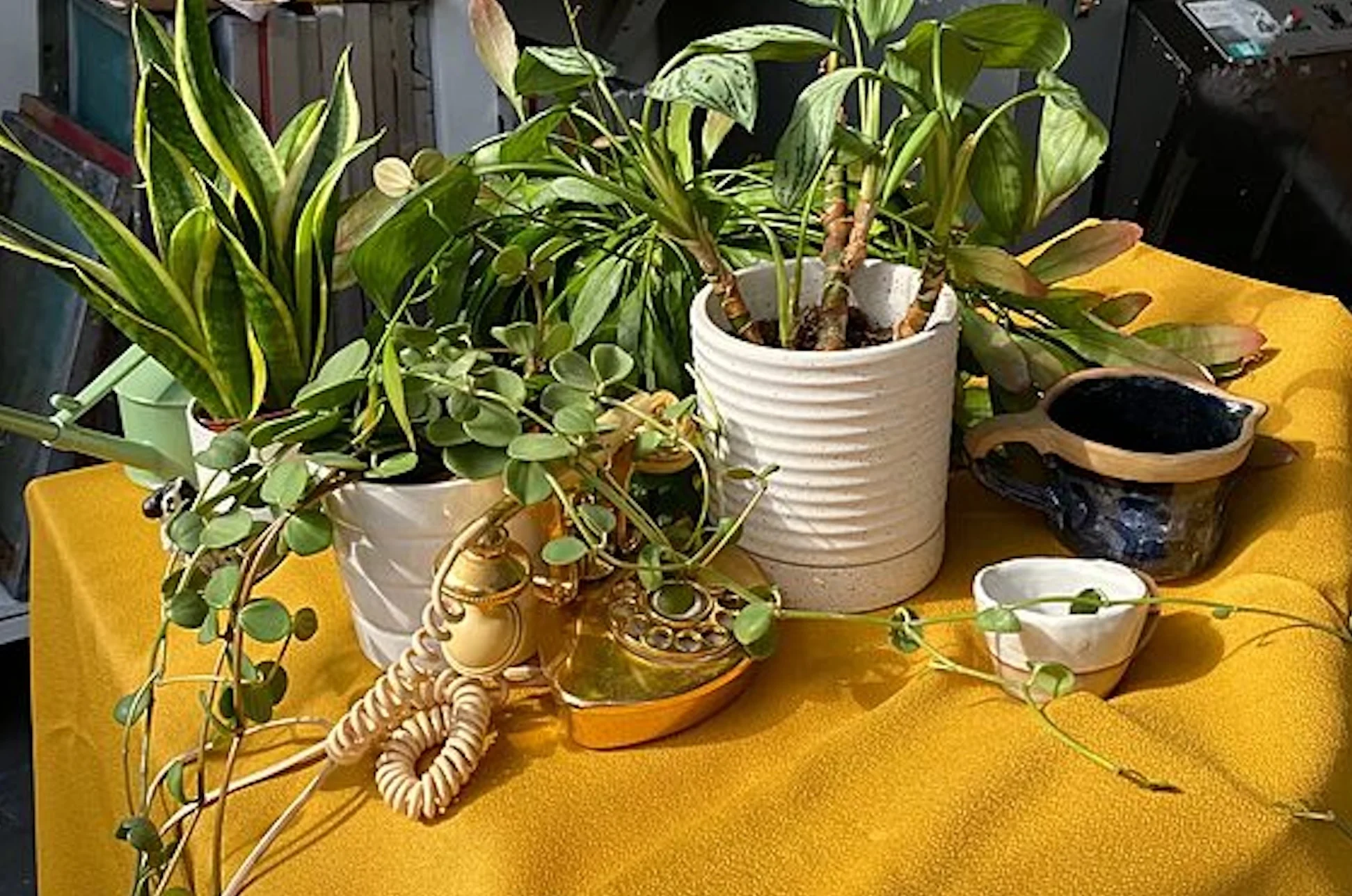
A table with a yellow tablecloth, featuring various house plants

Combine observational drawing with printmaking in this hybrid workshop that moves from sketchbook to final print. You’ll start off the morning session by drawing from a still life arrangement, which is followed by a screenprinting session of your drawing in the afternoon. You’ll leave the workshop with a unique, handmade piece of art.

Photography, Film & Media

Creative Film Criticism with Catherine Grant, FACT Liverpool (7 May)

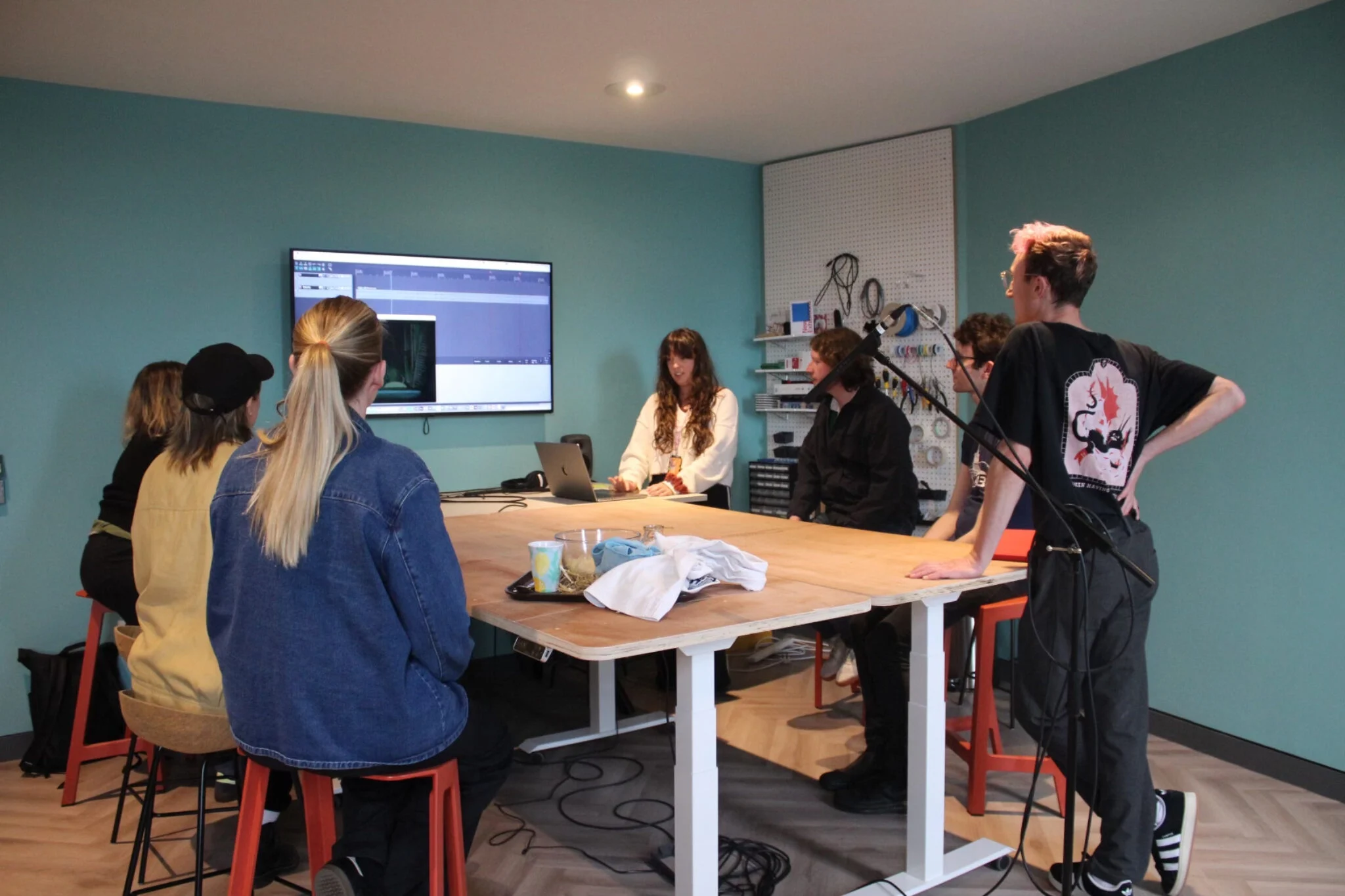
A group of people some sat and some standing around a table, talking
Post Production Spatial Audio with Let’s Make Films

Internationally recognised figure in videographic criticism, Catherine Grant, introduces a creative way of exploring film through image and sound, in a supportive and exploratory workshop hosted by Let’s Make Films (LMF). The morning session offers participants a masterclass with Catherine, with the afternoon session shifting into a hands-on introduction to DaVinci Resolve and a guided exercise where participants create a short video essay using a PechaKucha format. Participants will move between watching, discussing and making, with time to develop a short piece and share it with the group.

Introduction to Photography: Ed Ruscha, Tate Liverpool (9 May)

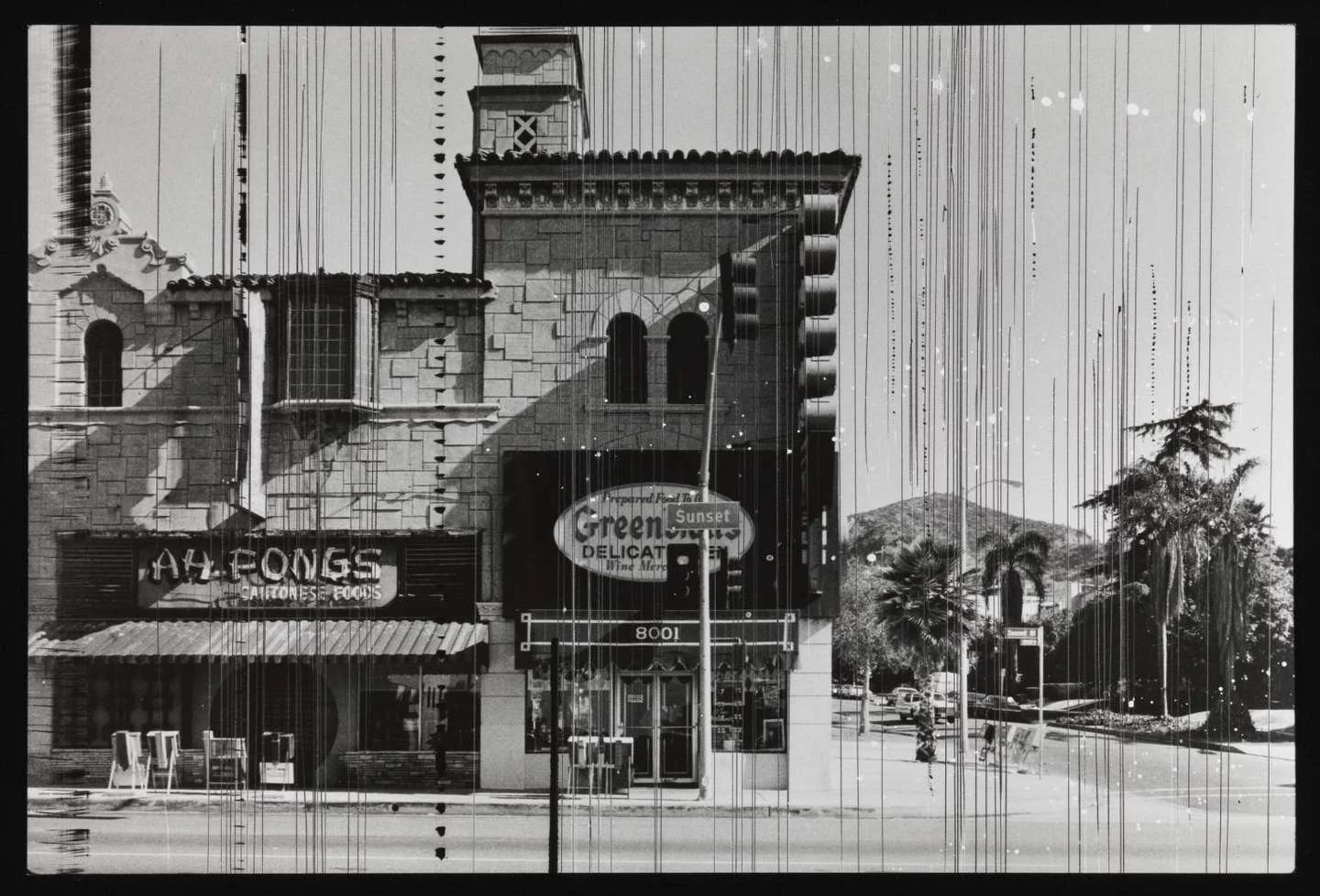
Edward Ruscha, Greenblatt’s Deli (Sunset Strip Portfolio) 1976, printed 1995. ARTIST ROOMS Tate and National Galleries of Scotland. Lent by Artist Rooms Foundation 2011. © Edward Ruscha.

This hands-on photography workshop is inspired by ARTIST ROOMS: Ed Ruscha, exploring Liverpool’s urban landscape and architectural photography. Led by photographer James O. Davies, the session includes practical tips, a guided city walk to capture your own images, and an exclusive curator-led tour of the exhibition. Suitable for all levels, with support provided—just bring a camera or smartphone.

Performance, Theatre & Creative Practice

A Life Drawing Less Ordinary, Shakespeare North Playhouse (9 May)

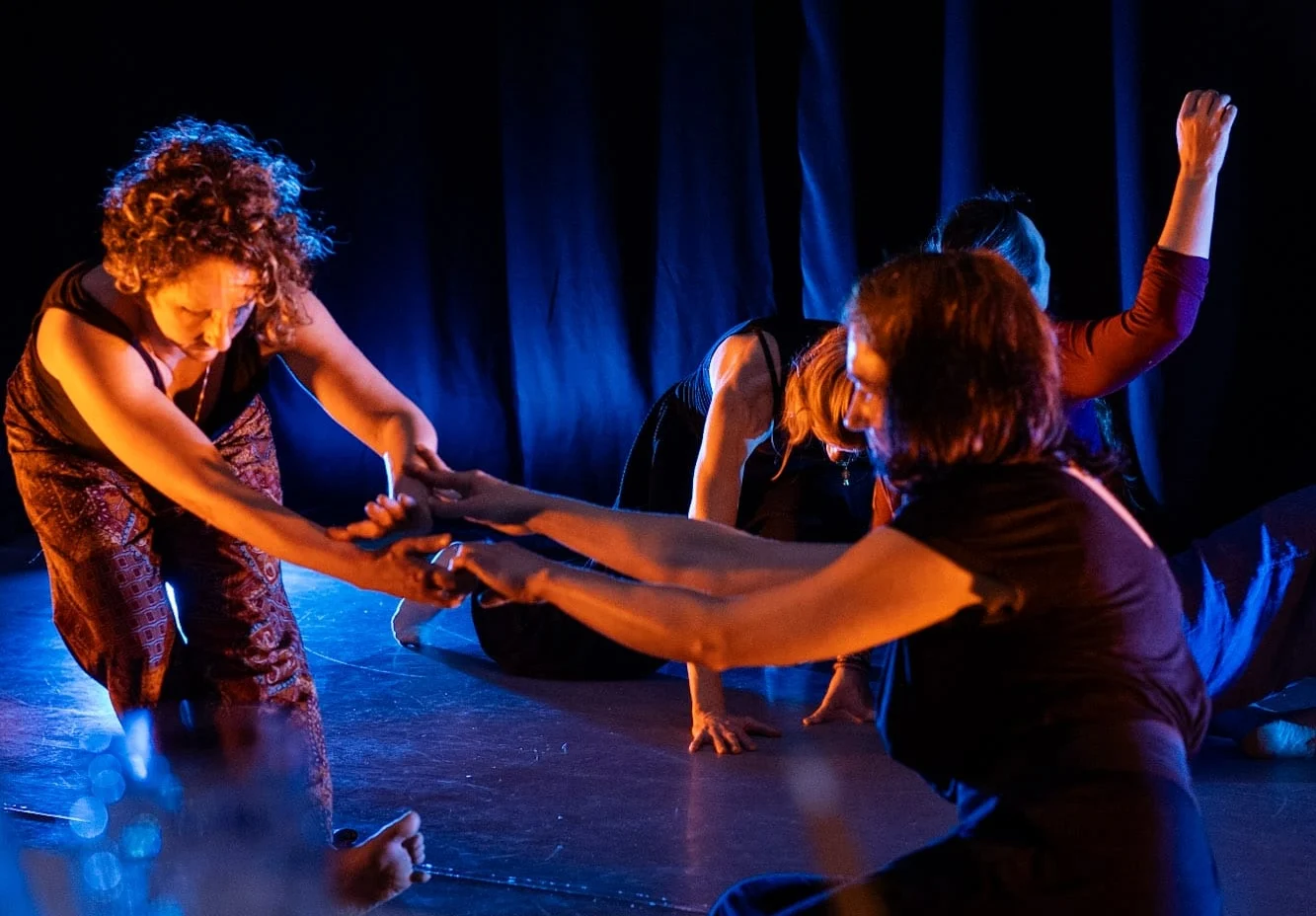
people dancing around in a circle

A Life (Drawing) Less Ordinary is a relaxed, creative social where participants can sketch, paint or sculpt while being inspired by live contemporary dance and music performances. Taking place in the Gallery at Shakespeare North Playhouse, the session invites you to respond to movement in your own way as performers move around the space. Usually priced at £12, this unique workshop is free as part of Leap Dance Festival 2026—just bring your own materials and book a spot in advance.

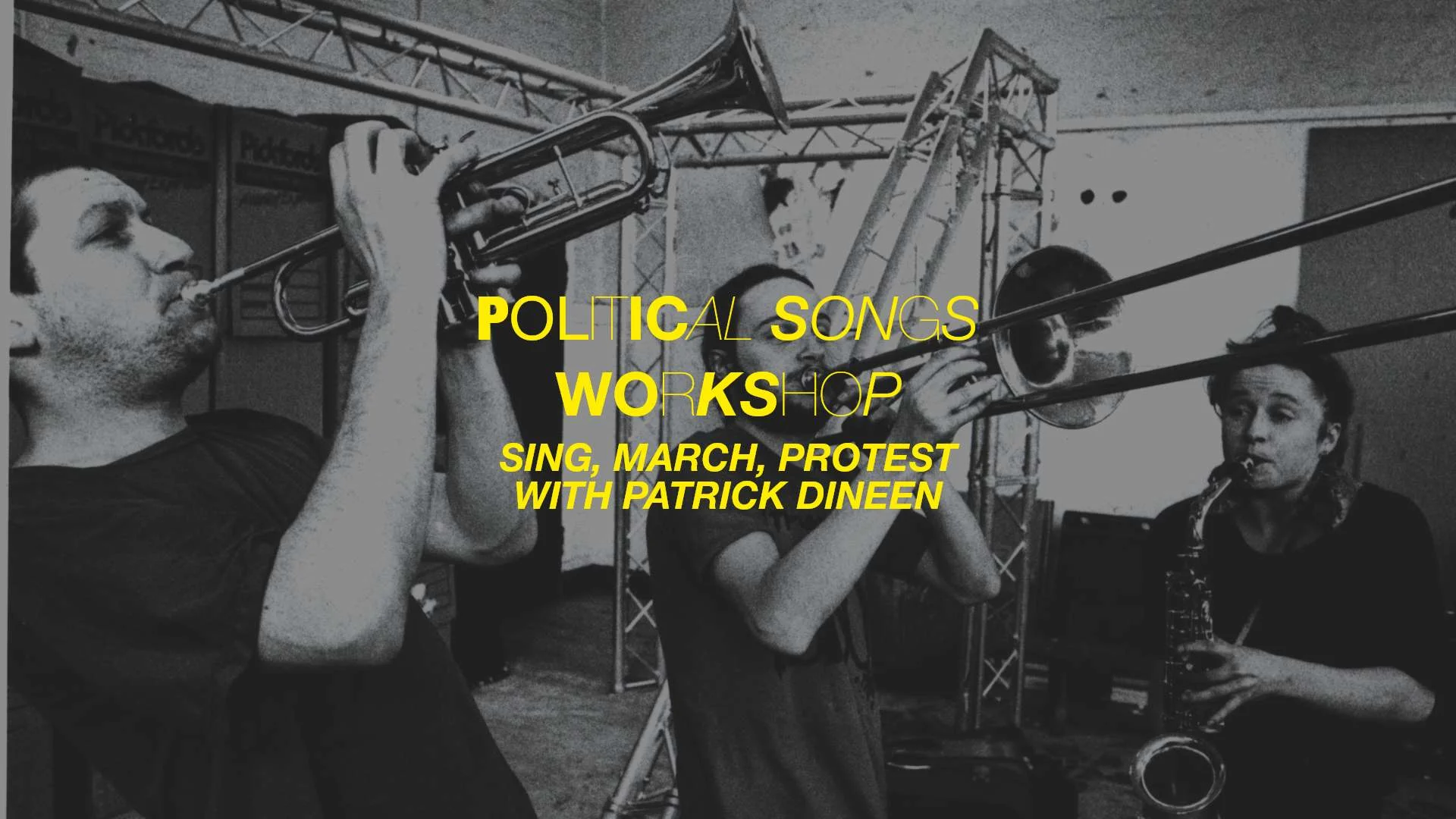
Political Songs Workshop -Sing, March, Protest with Patrick Dineen, Unity Theatre (23 May)

Join composer and lyricist Patrick Dineen for a hands-on workshop exploring political songs from the Spanish Civil War through to the 1960s, from stirring marches to witty cabaret numbers. Taking place at Unity Theatre, it’s a chance to sing through music full of protest, humour and stories of injustice.

Do It Yourself: Making Political Theatre, Unity Theatre (29 May)

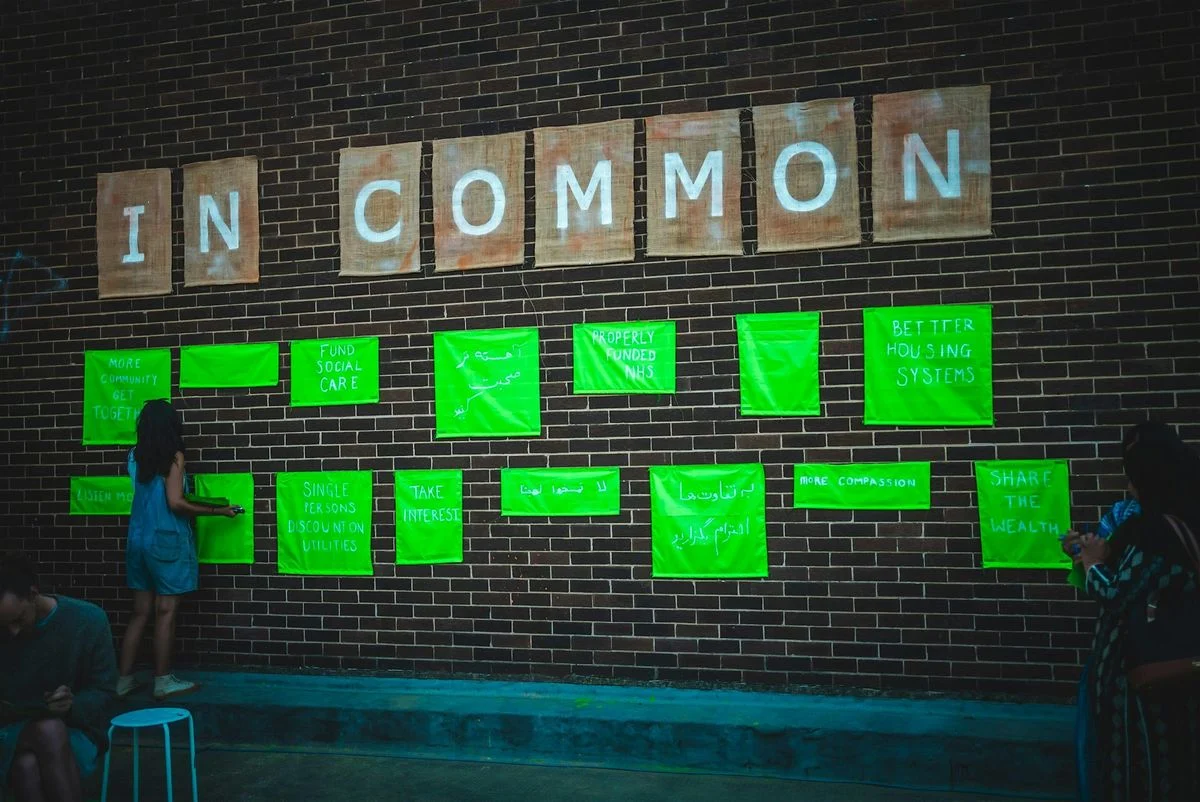
A brick wall with individual letters on reading In Common

Rhiannon White, co-founder of award-winning political theatre company Common/Wealth, shares the story of their DIY origins and how they’ve built a practice around radical, community-rooted theatre. Do It Yourself: Making Political Theatre will be full of practical tips, inspiration, and a rallying call to make political theatre yourself.

Professional Development & Training

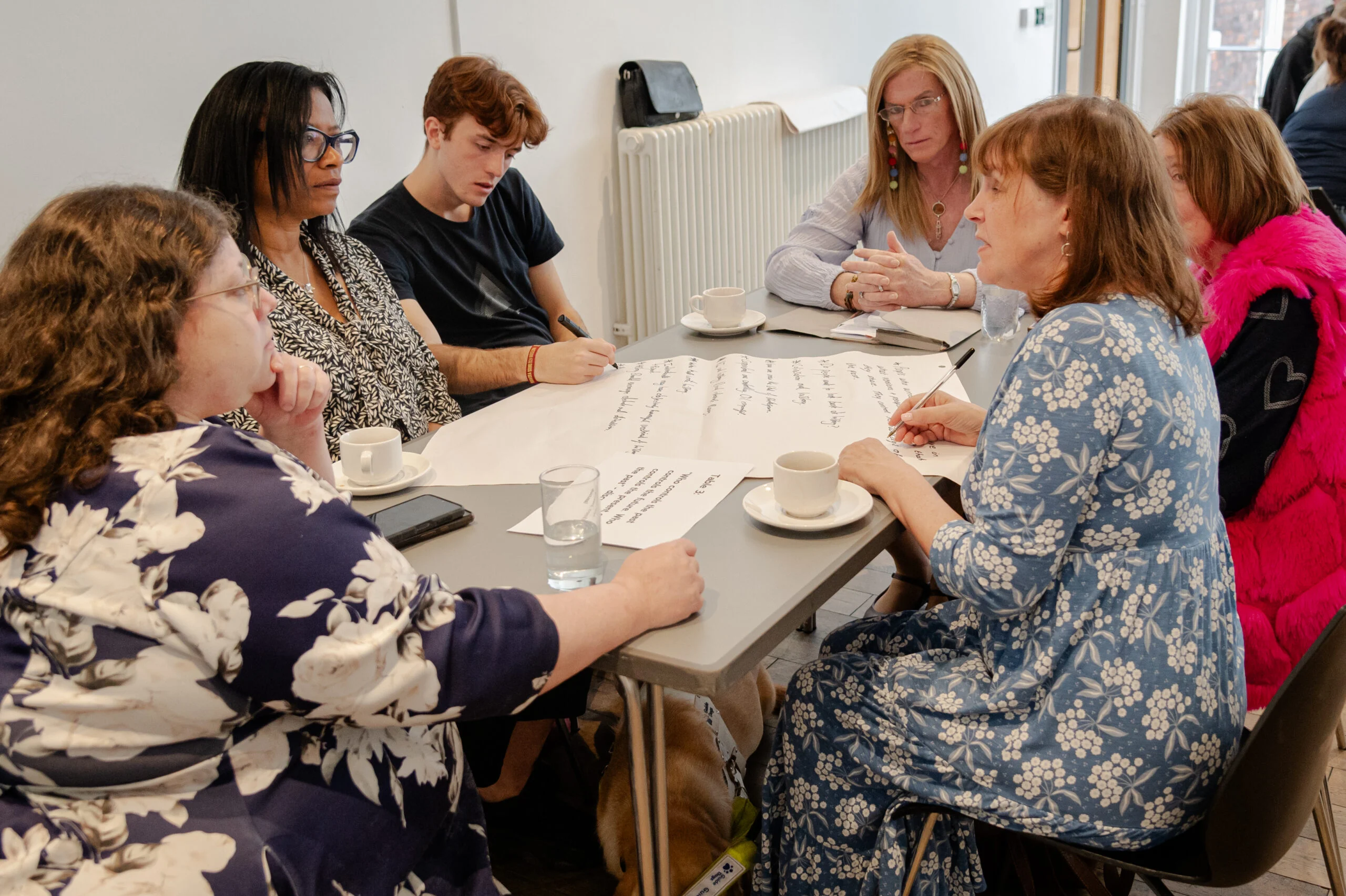
Trauma-Informed Practice for Participatory Artists, Collective Encounters (25 June)

Creative Workshops in Liverpool city region - Participatory Artists Training

This online workshop helps artists and facilitators develop a trauma-informed approach to working in creative and community settings. Led by experienced practitioners, it offers practical tools for creating safe, supportive spaces, alongside insight into trauma and its impact. Aimed at artists, theatre-makers and activists, it supports those using creativity as a tool for positive social change.

Retreats

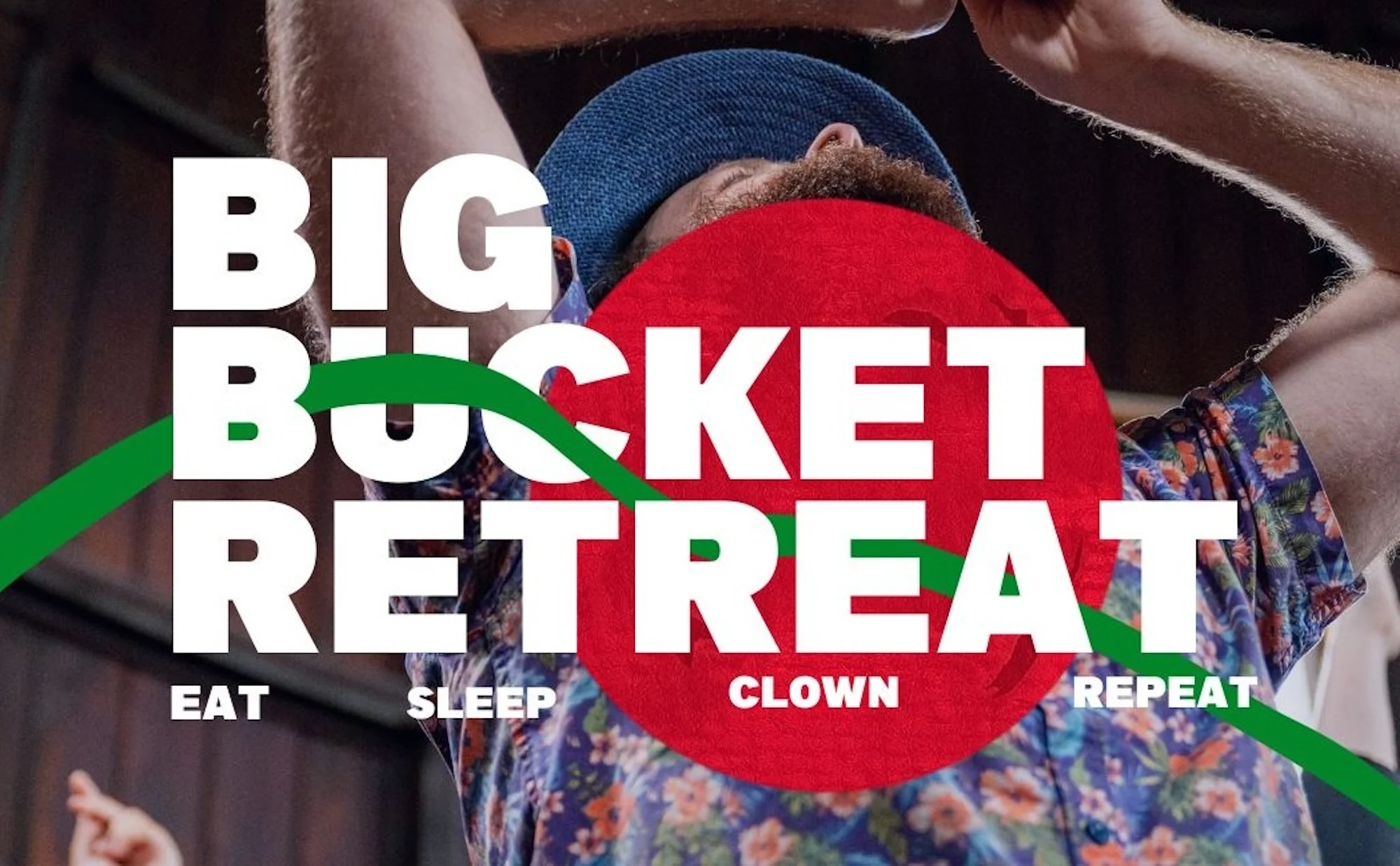
The Big Bucket Retreat 2026: Eat, Sleep, Clown, Repeat, Bidston Observatory (17-19 July)

This three-day clowning retreat by Ugly Bucket Theatre at Bidston Observatory brings together workshops, shared experiences and plenty of creative play in a really unique setting. Open to all levels, it’s all about building confidence, connection and self-expression through clowning. With a mix of masterclasses and communal activities, it’s a relaxed, supportive space to get creative, meet new people and try something a bit different.

You can discover more creative workshops and events by visiting our What’s On listings.

10 Live Music Events In Liverpool and the City Region You Won’t Want To Miss This Spring

Löwenzahnhonig at Future Yard
Löwenzahnhonig

Looking for the best live music events in Liverpool and the city region this April and May? We’ve pulled together intimate gigs, special one-off shows, reggae legends and world-famous artists for this feature. Whether you’re into indie, folk, soul, experimental sounds or timeless classics, these ten live music events in Liverpool and the city region are well worth adding to your diary.

1. Bob Marley Reimagined by The London African Gospel Choir, Liverpool Philharmonic Hall (18 April)

Five Singers performing live on stage

The London African Gospel Choir put a powerful new spin on Bob Marley’s most iconic songs with Bob Marley Reimagined, blending reggae rhythms with gospel harmonies and soaring vocals. Following their acclaimed Graceland show, this uplifting performance brings fresh energy, soul and a celebratory spirit to Marley’s timeless music.

2. Julian Taylor with Special Guest Michele Stodart, Liverpool Music Room (22 April)

Julian Taylor sat on a chair backwards leaning over the back facing the camera

Canadian singer-songwriter Julian Taylor brings his soulful mix of Americana, folk rock and alt-country to Liverpool, joined by special guest Michele Stodart of The Magic Numbers. This intimate show pairs heartfelt songwriting with rich harmonies, as two standout artists share the stage for a memorable night of live music.

3. The Orchestra (For Now), Future Yard (23 April)

10 Live Music Events In Liverpool This Spring - The Orchestra (For Now)

London prog rock outfit The Orchestra (For Now) bring their bold sound to Future Yard. They manage to combine avant-garde rock theatrics, intricate classical interplay, pastoral baroque indie, post-hardcore dynamics, jazz-tinted freakouts, and everything in between. With plenty of buzz around them and a reputation for brilliant live shows, this is a great chance to catch one of the UK’s most exciting rising bands.

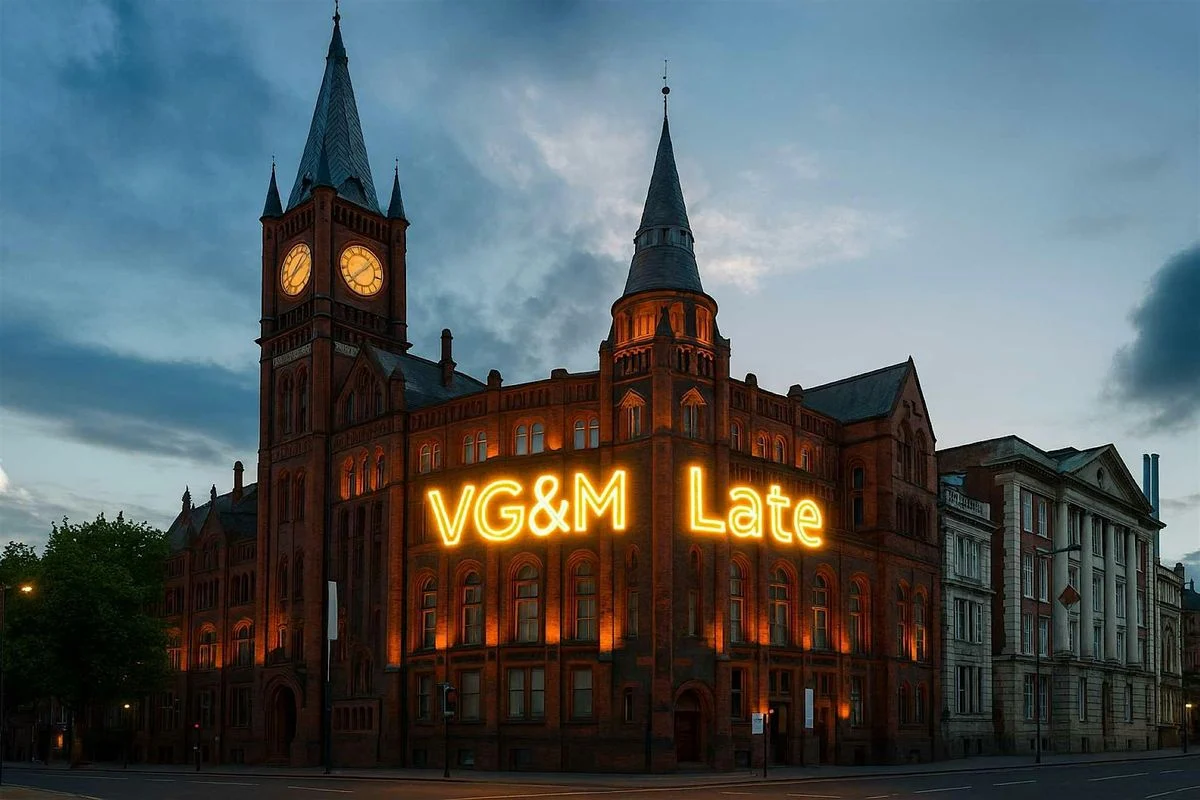
4. VG&M Late: A Music Celebration, Victoria Gallery & Museum (30 April)

Live Music Shows In Liverpool This Spring - VG&M Late

Celebrate the sounds and stories of Liverpool 8 at this special late opening at VG&M, where you can explore the Toxteth: The Harlem of Europe exhibition after-hours. There will be DJ sets from Kerri Ankrah-Lucas (Decks in the City) and a record fair, while Liverpool 8 legend Ramon “Sugar” Deen shares stories from the city’s music scene. Explore archive vinyl with the Institute of Popular Music, catch a talk from Dr Mike Brocken on jazz pioneer Gordon Stretton for International Jazz Day, and enjoy performances from University music students across eras and genres. It’s free to attend and you can reserve your spot now.

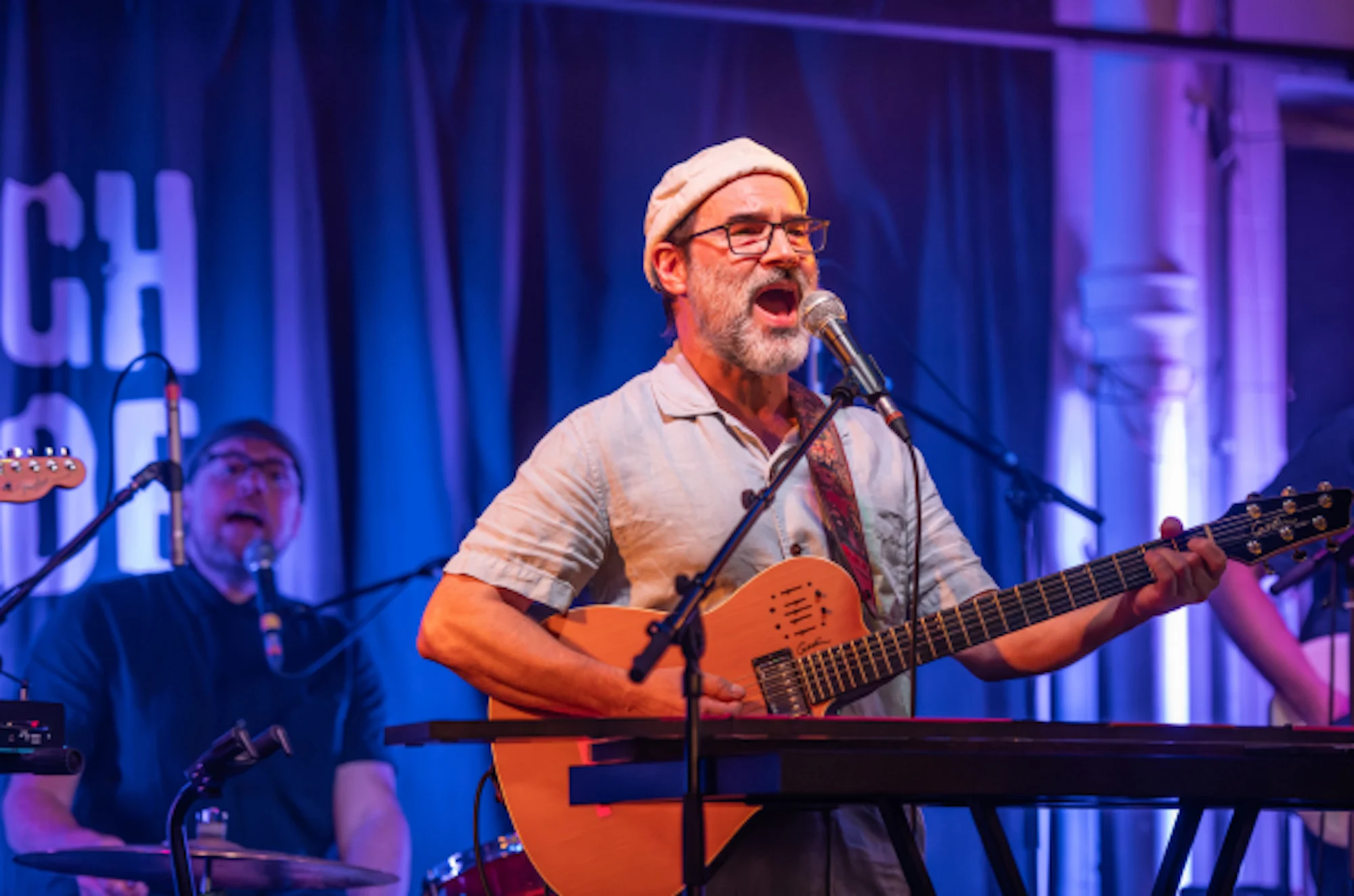
5. The Adam Buxton Band, The Tung Auditorium (1 May)

Live Music Shows In Liverpool This Spring - The Adam Buxton Band

Adam Buxton hits the stage with his live band for an intimate evening celebrating his debut album Buckle Up. Produced by Joe Mount of Metronomy, Buxton said: “I hoped it would be a Metronomy record with my voice”. Instead came fifteen songs that inhabit the space between heartfelt and silly, where Buxton has comfortably set up shop.

6. Travellers Tunes: An Evening With Steve Cradock, The Atkinson (6 May)

Live Music Shows In Liverpool This Spring - An Evening With Steve Cradock

Steve Cradock, guitarist for Ocean Colour Scene and longtime collaborator with Paul Weller, takes the stage for a night of classic Britpop and beyond. Hear iconic Ocean Colour Scene tracks like The Riverboat Song and Hundred Mile High, alongside Cradock’s solo material, in an intimate evening celebrating his 30 years in British rock.

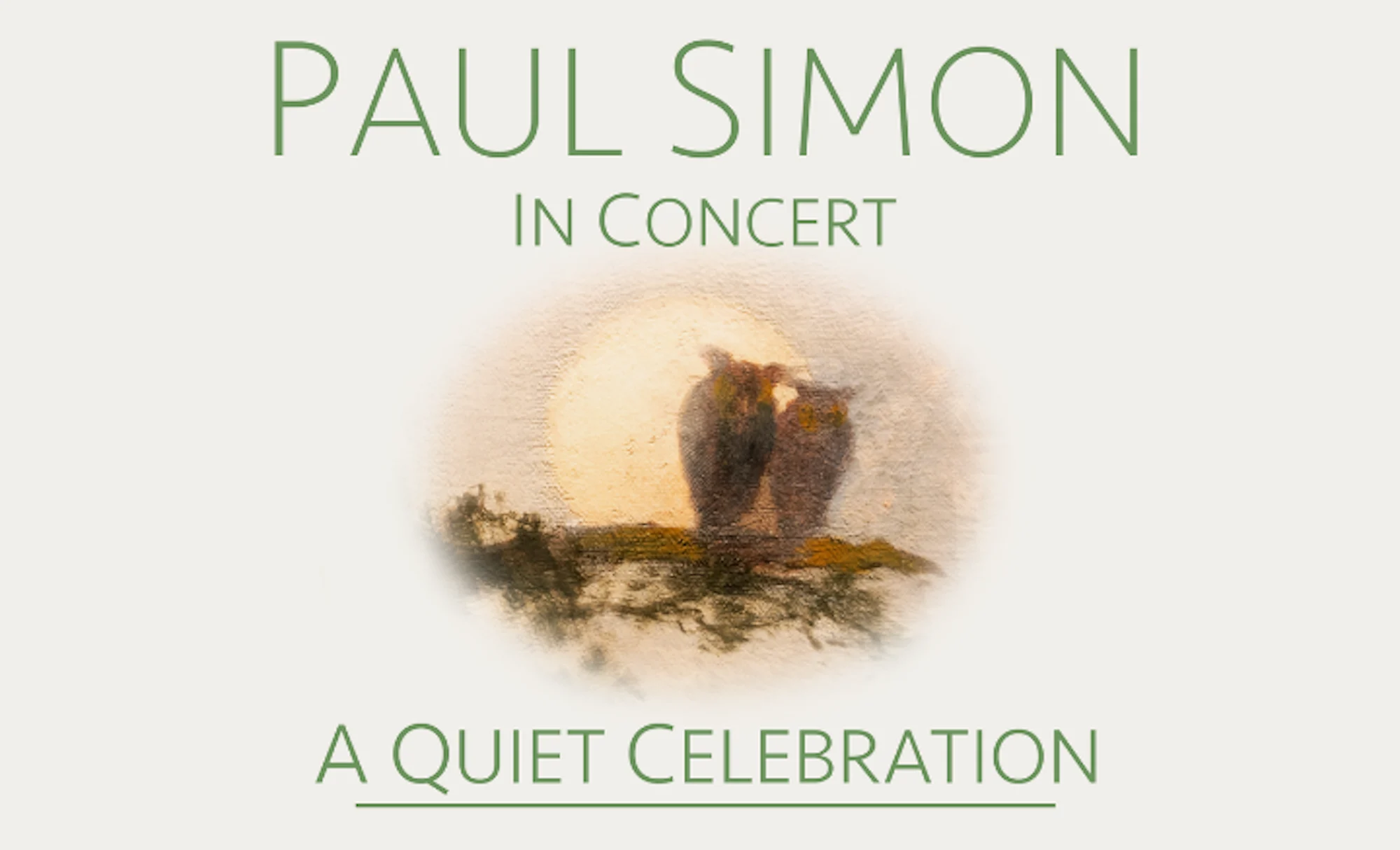
7. Paul Simon, M&S Bank Arena (7 May)

Legendary singer-songwriter Paul Simon brings his A Quiet Celebration Tour to Liverpool for one night only. The evening features a full performance of his Grammy-nominated suite Seven Psalms, followed by reimagined versions of his classic hits, all delivered with a world-class band for a rare, intimate experience.

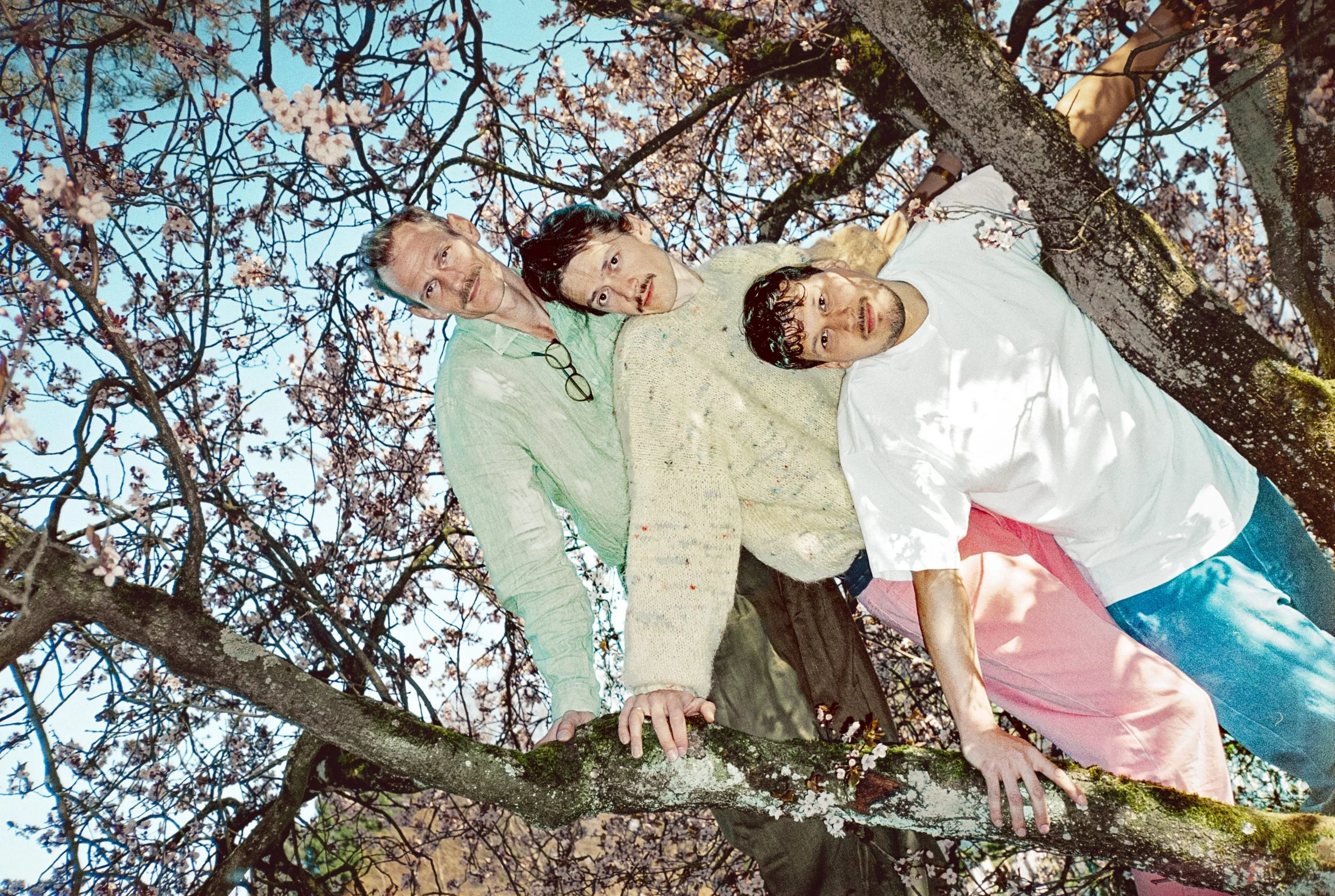
8. Löwenzahnhonig, Future Yard (10 May)

Löwenzahnhonig at Future Yard

Swiss band Löwenzahnhonig blend psychedelic pop, mellow funk, indie rock and ambient sounds into relaxed, groove-led music. Fresh from their second album Kirschblütenboogie, they bring spacious, melodic tunes and extended live jams that let each song stretch and evolve.

9. The Congos, Future Yard (24 May)

Influential Jamaican group The Congos bring their signature roots reggae sound to Future Yard this May. Best known for their classic album Heart of the Congos, their live shows blend rich harmonies, deep rhythms and an uplifting spiritual energy that has defined their music since the 1970s.

10. Bowie Experience, Liverpool Empire (30 May)

Bowie Experience

From London’s West End, Bowie Experience celebrates the music and legacy of David Bowie with a spectacular live show. Featuring all the hits from across Bowie’s iconic career, it’s a must for fans looking to relive the sound and style of a true music legend.

To discover more live music events in Liverpool and the city region, plus a whole range of arts and culture events from across the Liverpool city region, check out our What’s On Listings.

Review: ONLY SLIME & They’ve Got You’re Eyes at FACT Liverpool

ONLY Slime's Exhibition space at FACT Liverpool
AFTERLIFE by ONLY SLIME

FACT’s latest exhibitions explore big questions about existence, identity and creativity — but in ways that feel playful, visually striking and genuinely fun to experience. From an interactive journey through the afterlife to an AI-generated film that blurs the line between artist and machine, both shows pull you into immersive worlds that stay with you long after you leave the gallery.

AFTERLIFE by ONLY SLIME

ONLY Slime's Exhibition space at FACT Liverpool

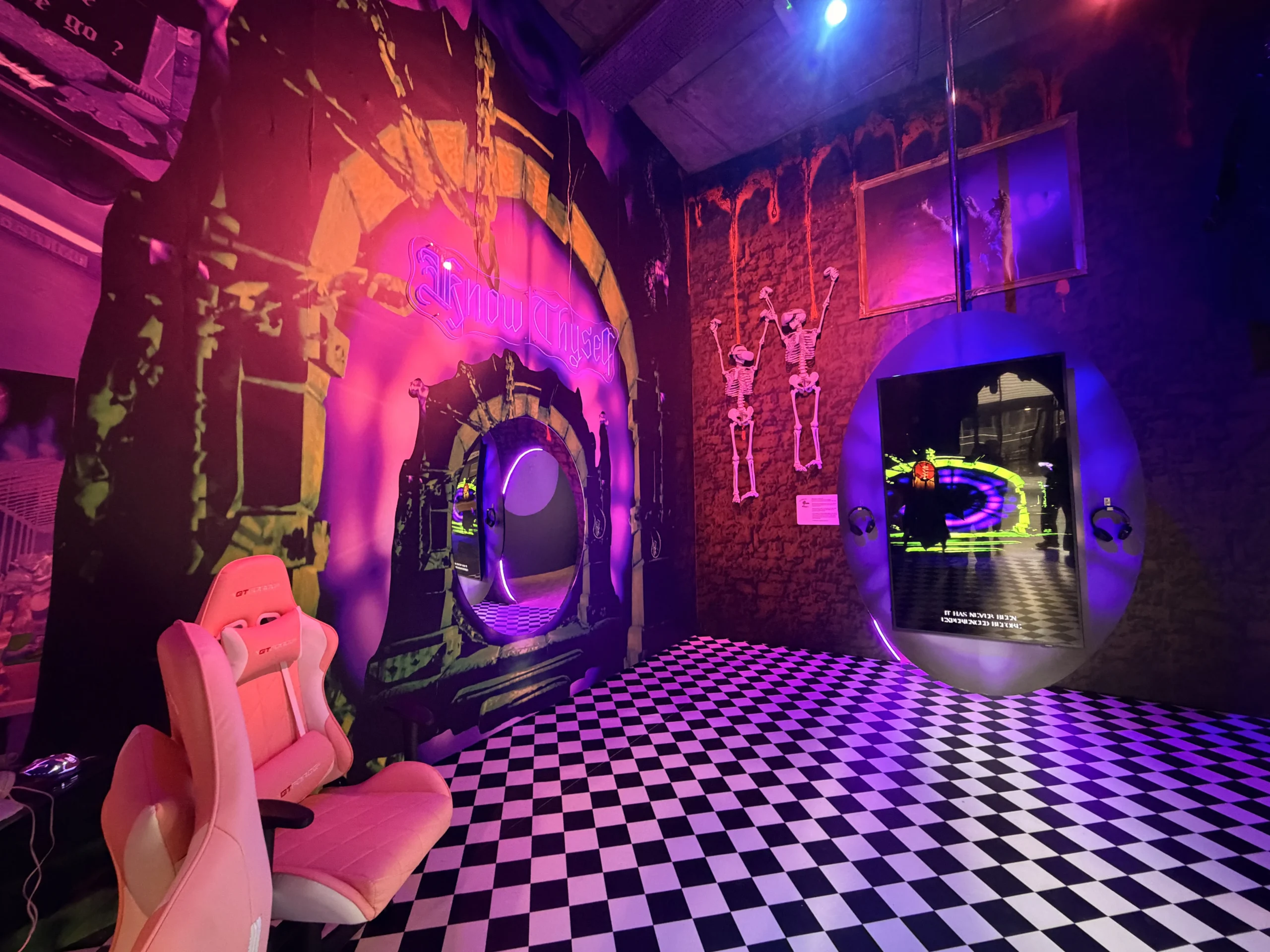
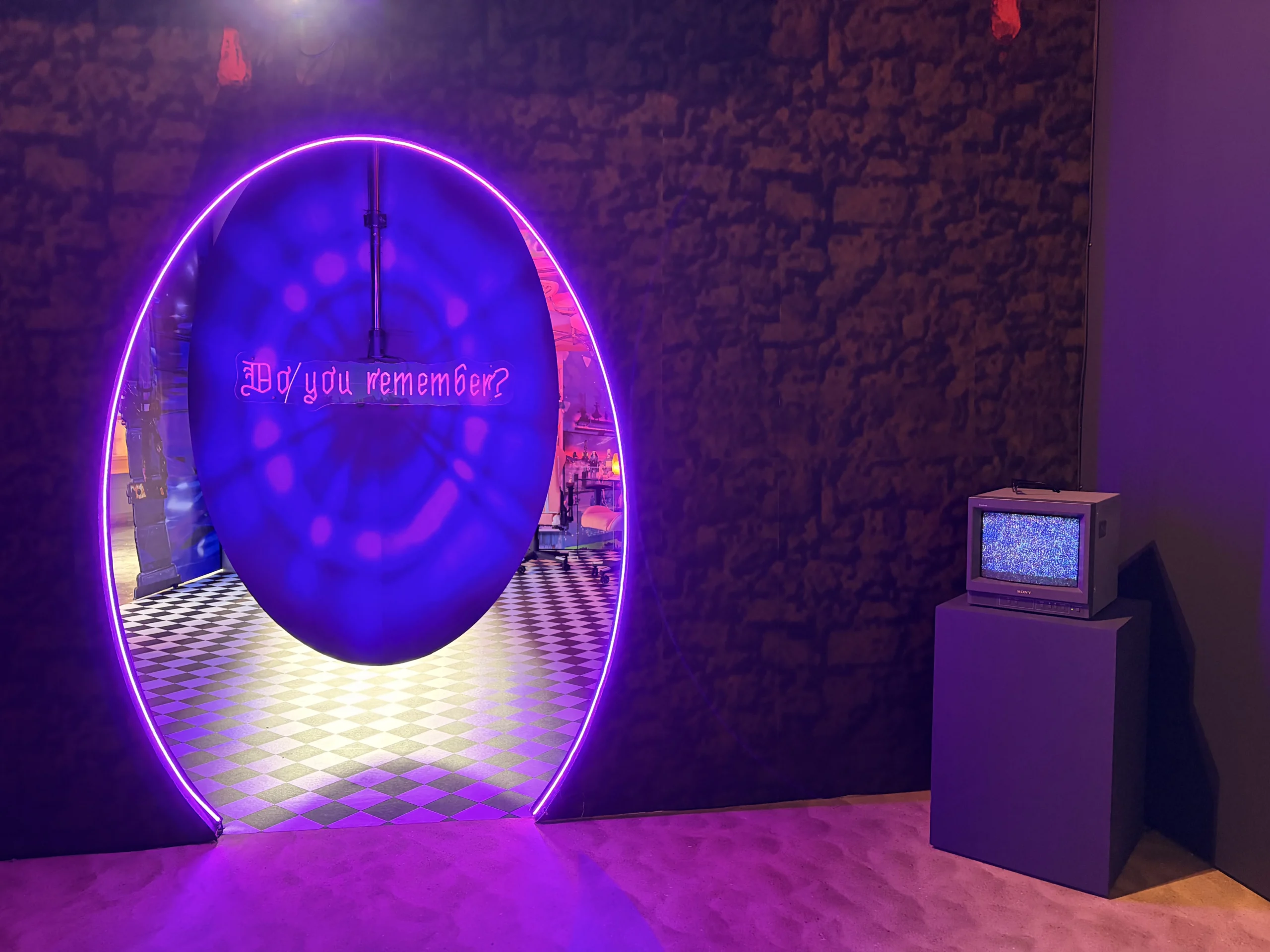
You can’t miss this one as you walk into FACT. The glowing neon purple AFTERLIFE sign hanging above the Foyer Gallery immediately draws you in, setting the tone for what feels like stepping inside a surreal video game world. The mix of deep blacks, vivid pinks and the bold checkered floor makes the whole space feel playful but slightly eerie — like you’ve entered somewhere between reality and simulation.

Created by ONLY SLIME (artists Toby Pfeil and Claudia Cox), AFTERLIFE transforms their 2023 computer-game opera into an interactive installation where visitors actively shape the experience. Using motion tracking and mini-games, you follow characters Axi and Zi as they travel through spiritual and mortal realms searching for meaning and purpose.

What I really enjoyed is how the work quietly questions control. Are we directing the story, or just responding to choices already built into the system? The piece plays with the shifting dynamic between creator, player and avatar, highlighting how digital worlds influence the narratives we build about ourselves.

It’s immersive without feeling overwhelming, thoughtful without being heavy, and visually it’s just a lot of fun to spend time in.

Watch our AFTERLIFE Instagram Reel


View this post on Instagram


A post shared by Uncover (@uncoverlpl)

They’ve Got Your Eyes by Rachel Maclean

Inside Rachel Maclean's Exhibition at FACT

There’s a real sense of anticipation before you even step into Rachel Maclean’s exhibition. Outside the gallery, a countdown clock lets you know when the film will begin, displaying the message “We will be re-entering the film in…”. It creates a small shared moment with the rest of the audience as everyone waits for the timer to hit zero.

During the two-minute countdown, I found myself reading about the exhibition’s parallels between today’s boom in AI technology and the Victorian era’s obsession with invention and progress. That comparison instantly sparked my curiosity and made me want to see how the ideas would play out visually.

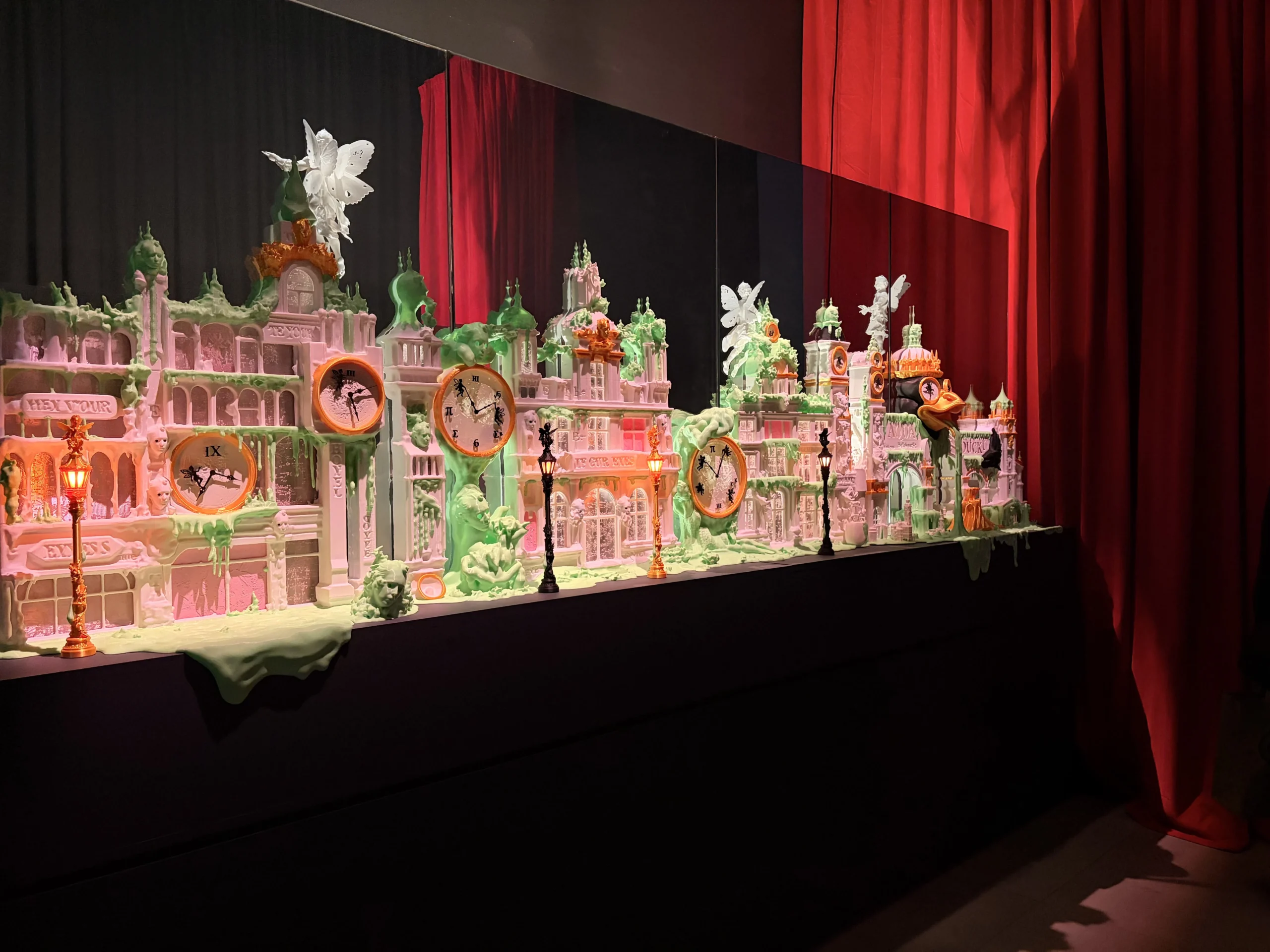
Inside, the exhibition unfolds across multiple screens, gradually drawing you further into the space as the narrative develops. The film itself is created using AI models trained on Maclean’s own image and archive, creating a strange and fascinating loop where the artist is both author and subject.

Glowing sculptures dripping with slime sit somewhere between scientific experimentation and Celtic folklore, adding to the exhibition’s dreamlike quality. It feels playful on the surface, but there’s an unsettling undertone as it questions who is really shaping creativity in an age increasingly influenced by machines.

As the film progresses, the layout of the gallery naturally encourages you to move further inside the space, almost as if you’re being guided deeper into the story. The pacing works really well, building curiosity before delivering an ending that feels entertaining, slightly surreal and very fitting for the themes explored throughout.

Both exhibitions feel very “FACT” in the best possible way — visually engaging, conceptually interesting and accessible even if you’re not deeply immersed in digital art.

AFTERLIFE invites you to play inside a constructed world, while They’ve Got Your Eyes asks who is actually in control when technology becomes part of the creative process. Together, they create a really compelling conversation about the future of storytelling and identity.

If you’re interested in digital culture, immersive experiences, or just want to see something a bit different in the city right now, these are definitely worth adding to your list.

For more information visit fact.co.uk.

Petrol Stations, Sunset Strip and the American Dream: ARTIST ROOMS: Ed Ruscha at Tate Liverpool

Ed Ruscha at Tate Liverpool

Now on display at Tate Liverpool + RIBA North, ARTIST ROOMS: Ed Ruscha offers a compelling journey through the architecture, typography and mythology of mid-century America. Running until 14 June 2026, the exhibition brings together books, photographs, paintings, drawings and lithographs by influential American artist Ed Ruscha.

Ruscha was born in Oklahoma and relocated to Los Angeles in 1956 — and that 200-mile move west shaped everything. You can feel the sense of motion and distance throughout the display: the open road, the creeping sprawl, the sense that America is always just a little further down the highway.

The exhibition takes Ruscha’s fascination with petrol stations as its starting point, inviting visitors to see the urban environment as he does. Car parks, swimming pools, delis, diners and nightclubs come into focus — fragments of the built landscape that collectively reflect the so-called ‘American way of life’. Rather than romanticising these places, Ruscha isolates and monumentalises them. The effect is quietly disorienting. You start to notice the visual power in things you’d normally drive straight past.

A standout moment is his seminal 1963 artist’s book Twentysix Gasoline Stations, documenting 26 petrol stations along Route 66. Presented digitally within the exhibition, it feels both matter-of-fact and quietly radical — a reminder that sometimes the most interesting artistic gesture is simply deciding to look. Nearby, preparatory sketches for Standard Station reveal how Ruscha transformed a simple roadside photograph into an iconic painting, stripping away unnecessary detail, sharpening perspective and amplifying its graphic punch.

Seriality runs throughout his work. In Every Building on the Sunset Strip, Ruscha methodically photographed every façade along the 1.5-mile stretch, creating a continuous visual record of storefronts, diners and dwellings. Seeing it in person, the piece feels both documentary and conceptual — preserving a specific version of Los Angeles while subtly questioning its repetition and uniformity. There’s something almost meditative about it; the longer you look, the stranger it gets.
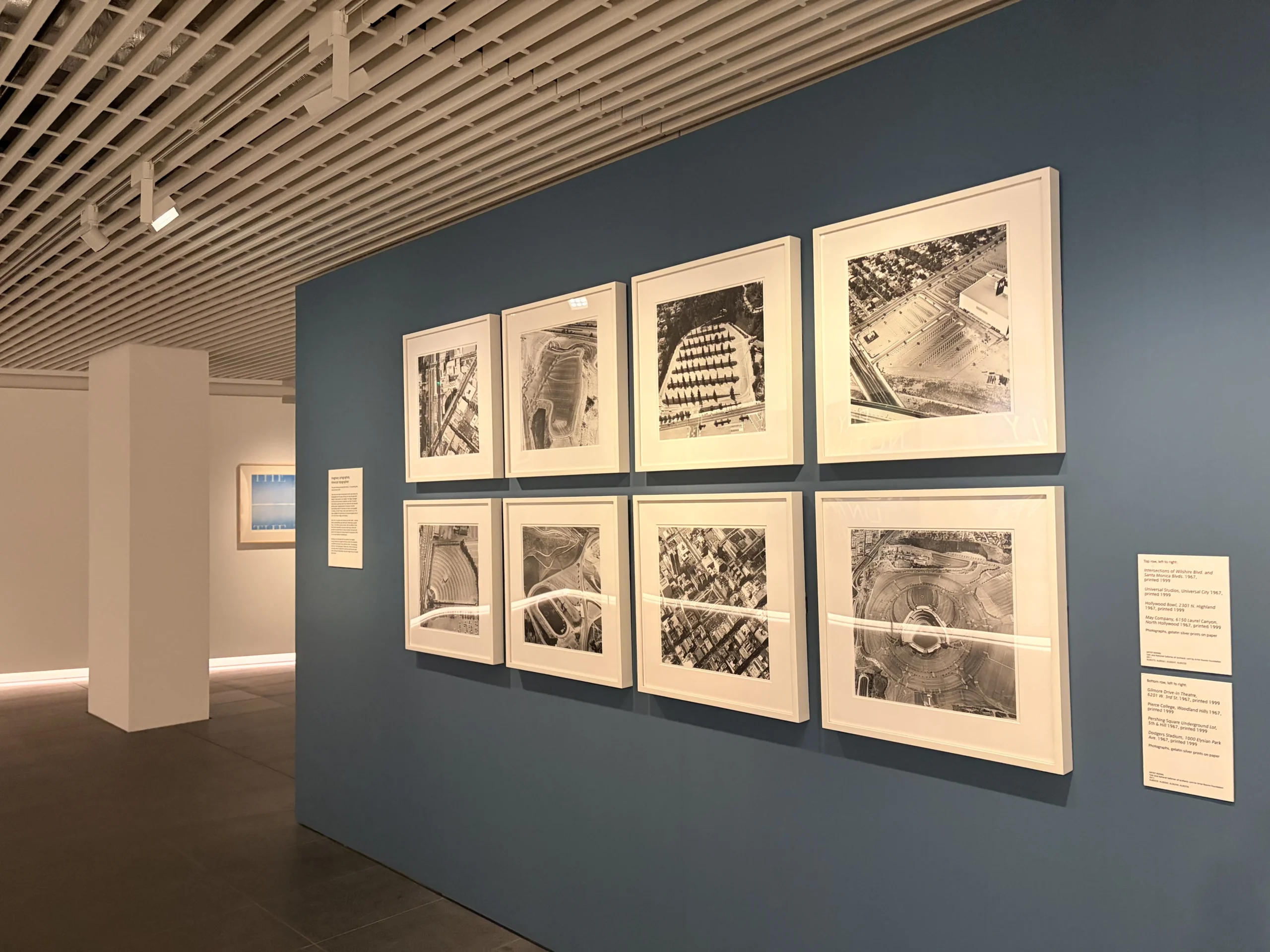
Cars and city planning continue to shape the narrative in the Parking Lot Portfolio, where aerial views flatten asphalt and vehicles into abstract compositions. It shouldn’t be beautiful, but it is. Later works such as the Los Francisco San Angeles Portfolio merge the street grids of Los Angeles and San Francisco into fictional hybrid maps — part geography, part imagination, wholly Ruscha.
Artist Rooms Ed Ruscha at Tate Liverpool 2026

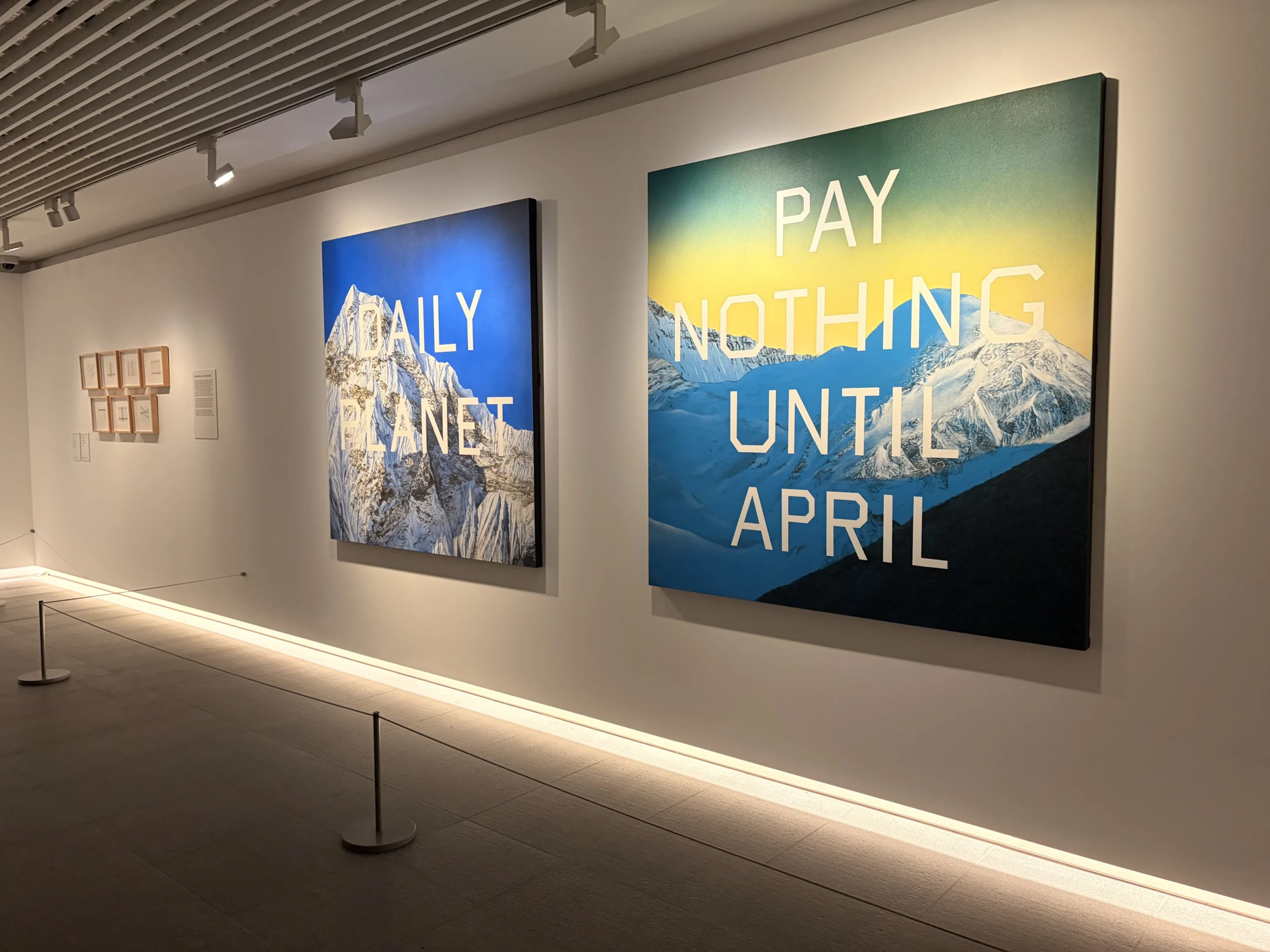
His text-based works add another layer. Made in America (1974) reflects on consumer culture and national identity, while Dance? (1973) — created using coffee and mustard — subtly references the edible iconography of American diners (and raises the very reasonable question: why not both?). In OK (State I) (1990), the word “OK” hovers between affirmation and a nod to Oklahoma, folding biography into bold graphic simplicity.

Having visited Los Angeles numerous times, I’ve long been fascinated by its sprawl, its car-dominated infrastructure and its strange mix of cinematic glamour and everyday banality. Seeing Ruscha’s work in Liverpool heightened that fascination. His depictions of petrol stations and boulevards aren’t just conceptual exercises — they capture something deeply recognisable about the city: the endless grids, the glowing signage at dusk, the quiet poetry hidden in plain sight.

ARTIST ROOMS: Ed Ruscha feels particularly resonant right now — an invitation to slow down, look closely and reconsider the ordinary spaces that shape our lives. For Liverpool audiences, it’s a striking glimpse into the visual language of Los Angeles and the enduring myth of the American Dream.

ARTIST ROOMS: Ed Ruscha
Tate Liverpool
Until 14 June
Free Entry
More info

The HandleBards Bring ‘Joyfully Silly Magic’ to Shakespeare North Playhouse

The Tempest - Handlebards-x-SN.-Lucy-Green- Credit- Patch Dolan
Credit: Patch Dolan

Since 2013, The HandleBards have charmed audiences across the UK and beyond with their unique brand of fast-paced, eco-conscious Shakespeare — cycling from venue to venue with props and costumes in tow. Now, the acclaimed troupe have joining forces with Shakespeare North Playhouse for the very first time to bring their signature energy indoors with The Tempest.

We caught up with the team to find out how this exciting collaboration came about, how sustainability is woven into every branch (quite literally) of the production, and what audiences can expect from this “joyfully silly” take on Shakespeare’s stormy classic.

This is the first collaboration between the HandleBards and Shakespeare North Playhouse – how did it come about, and what excites you most about it?

The relationship with Shakespeare North started with us bringing Romeo and Juliet to the Sir Ken Performance Garden back in 2021, since then we’ve returned each year as a visiting company performing inside and out, including Much Ado About Nothing (2023) and A Midsummer Night’s Dream (2024) in the Cockpit Theatre. In 2024 Shakespeare North approached us about working together on a new co-production, and we settled on The Tempest!

Every time we’ve visited Shakespeare North they’ve always been hugely welcoming and supportive, and it’s a gorgeous theatre to boot. So – the most exciting aspect of the collaboration is the opportunity to make our first mid-scale production with the support of everyone at Shakespeare North, working with HandleBards stalwarts and some brilliant new collaborators, and working with a team who are all as excited as we are about making a joyful and glorious sustainable indoor production.

You’re renowned for your eco-friendly ethos, cycling to your productions across the UK. How does sustainability play a role in this staging of The Tempest?

We’ve been using the Theatre Green Book from the ground-up to design the show to be as sustainable as possible, and to track the environmental impact of the production. We’ve focused on hiring and re-using costume and set, and our brilliant creative and production team have created a forest canopy using real branches from a local tree-surgeon. We’ll be storing and re-using everything we can from the production, and plan to tour The Tempest in the future using electric vehicles.

The-Tempest-Handlebards-x-SN.-Princess-Khumalo-Meredith-Lewis.-Credit-Patch-Dolan
Credit: Patch Dolan

You’ve been praised for being “chaotic, clever and charming.” What can audiences expect when they walk into the Cockpit Theatre for this show?

Without spoiling too much, they can expect the usual chaos and fun of a HandleBards show, but with a few extras that you can’t find outdoors…

Since your beginnings in 2013, the HandleBards have toured internationally. How has the company evolved over the years, and what’s stayed the same?

The core of The HandleBards has always been touring sustainable, joyful and accessible Shakespeare. Each year we’ve grown a little bigger, and have gone on to tour around the world, have become a registered charity and are now creating our first mid-scale show. Who knows where we’ll be in the next 10 years, but we’ll almost certainly still be taking things not too seriously.

If you had to describe this production of The Tempest in just three words, what would they be?

Joyfully silly magic.

The HandleBard’s The Tempest runs at Shakespeare North Playhouse until Saturday 25 October. Tickets are available via shakespearenorthplayhouse.co.uk/event/the-tempest.