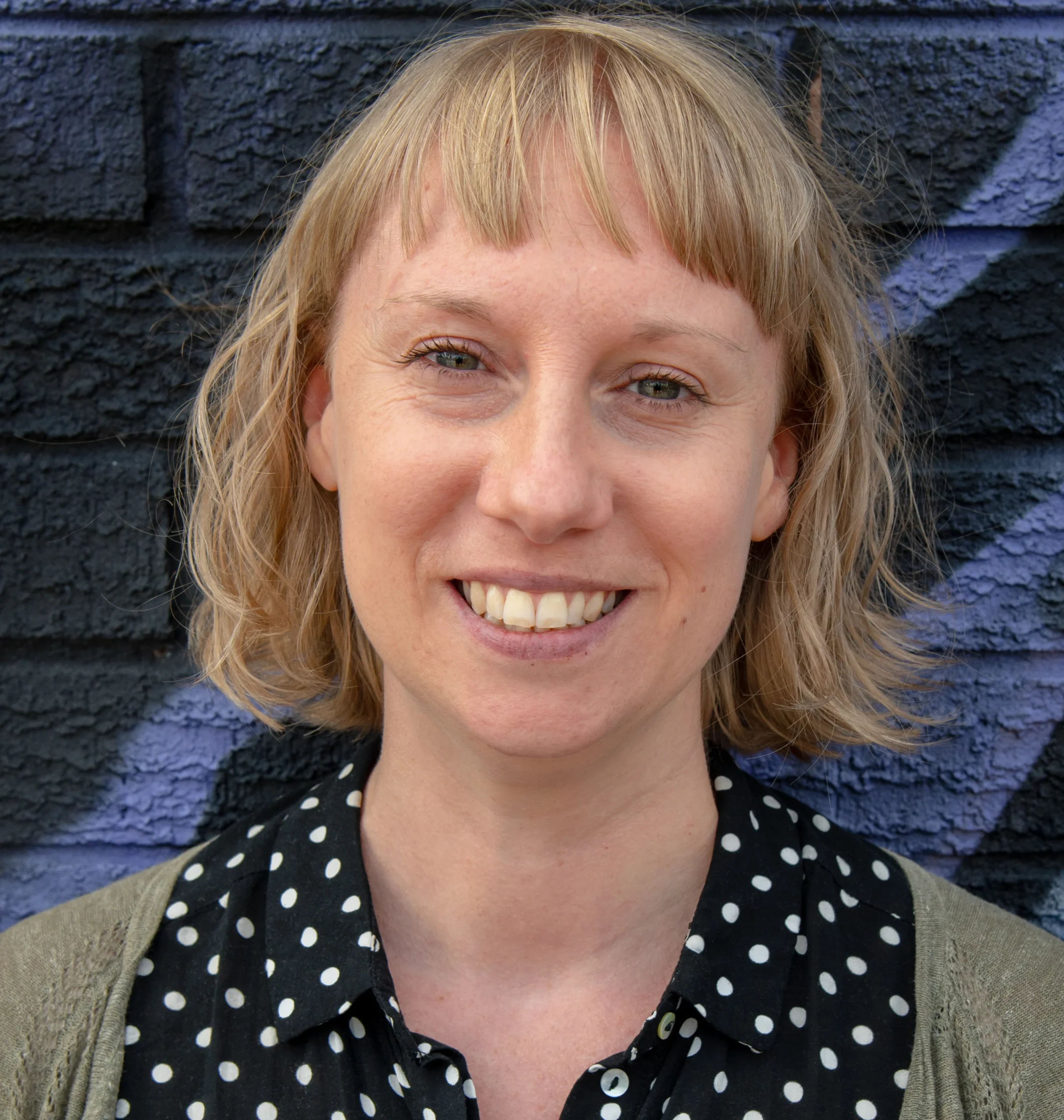
This week’s Culture Radar guest is Liz Barker, the Director and Founder ofMarch for the Arts, Arts Activism and Supporting Creatives.
Loved: The River of Light was fantastic as always, I particularly enjoyed the ‘Bubblesque’ and ‘Firefly Field’. Over the festive period I loved getting to see Alice in Wonderland at Shakespeare North Playhouse, and the Everyman Rock ‘n’ Roll Panto Rapunzel. I also think the Lights Up on Liverpool Exhibition in Central Library is a must see for anyone interested in Liverpool’s arts heritage, it’s beautifully curated by Arts Groupie.
Looking forward to: I’m keen to visit The Holly Johnson Story before it closes in July at the Museum of Liverpool, take one of Arts Groupie’s Theatre Walking Tours, and see Shirley Valentineat the Everyman. And as a life long fan, I’d be remised if I didn’t mention, I’m very excited that The Boss himself, Bruce Springsteen is coming to play Anfield in the summer.
Trivia: People might be unaware at March for the Arts we offer free advice and consultation to freelancers and arts organisation relating to working better in the arts. We also have a guidance document called Working Guidance for Arts Freelancers and Organisations that can be accessed for free via our website.
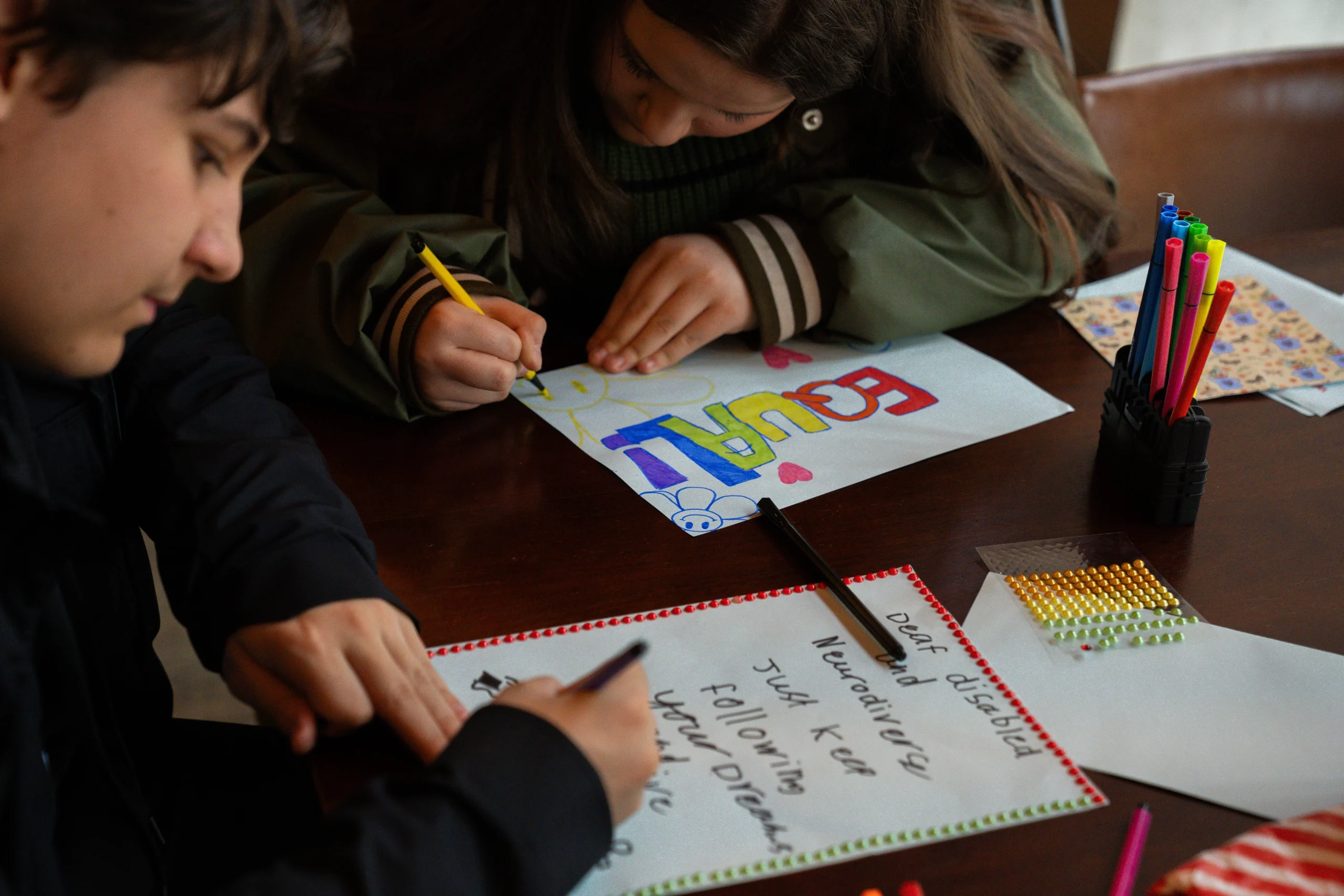
Participants getting involved in one of the 20 Stories High and Graeae outreach sessions
“A reassuring reminder of how many organisations and creatives within our community want to continue to curate access-informed spaces.” – Claire Beerjeraz
The Access Manifesto is a bold call to action for greater inclusivity in the arts, developed by 20 Stories High and Graeae Theatre Company. Shaped by the voices of young Deaf, Disabled, and neurodivergent people, the manifesto provides a practical framework for arts organisations to create truly accessible spaces. Here’s the story of how The Access Manifesto was created.
How High Times and Dirty Monsters Led to The Access Manifesto
The Access Manifesto was created after 20 Stories High and Graeae Theatre Company collaborated on their award winning show High Times and Dirty Monsters in March 2023. This production explored the challenges faced by young Deaf, Disabled, and neurodivergent people today. To create this show, they worked with over 60 young people and young adults from across the UK, including Liverpool, London, Leeds, Chester, and Manchester.
Through workshops, research and development weeks, and one-to-one sessions with young Disabled people, the teams listened to their lived experiences, thoughts, and feelings to shape the show. This process gave 20 Stories High and Graeae the opportunity to connect with more young people and make sure their voices were at the heart of the production. The show explored key issues around disability, the education system, family, work, the cost of living crisis, and parenthood, highlighting the intersections of Disability and everyday life.
Through these conversations, it became very clear that change was urgently needed, especially in the arts sector.
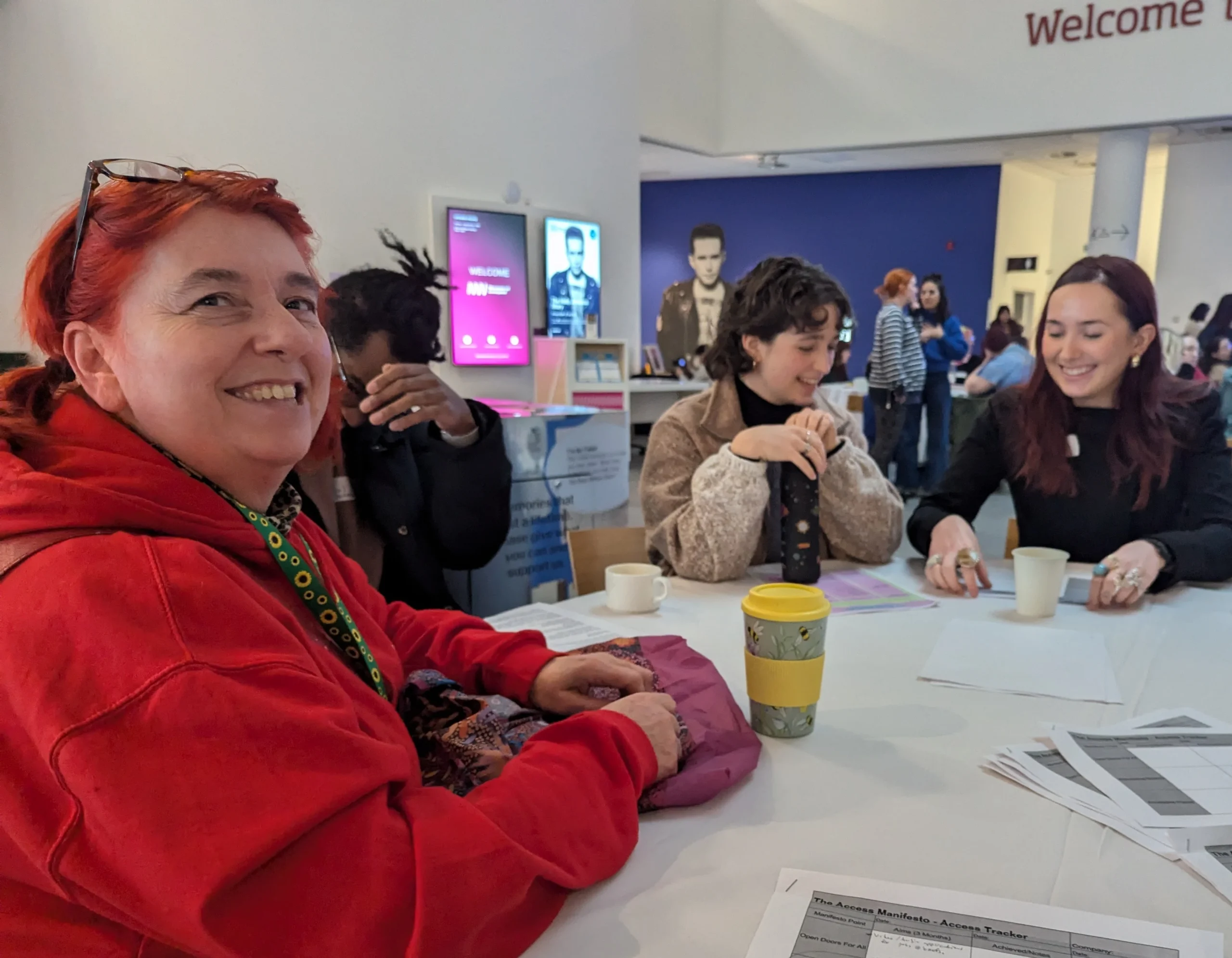
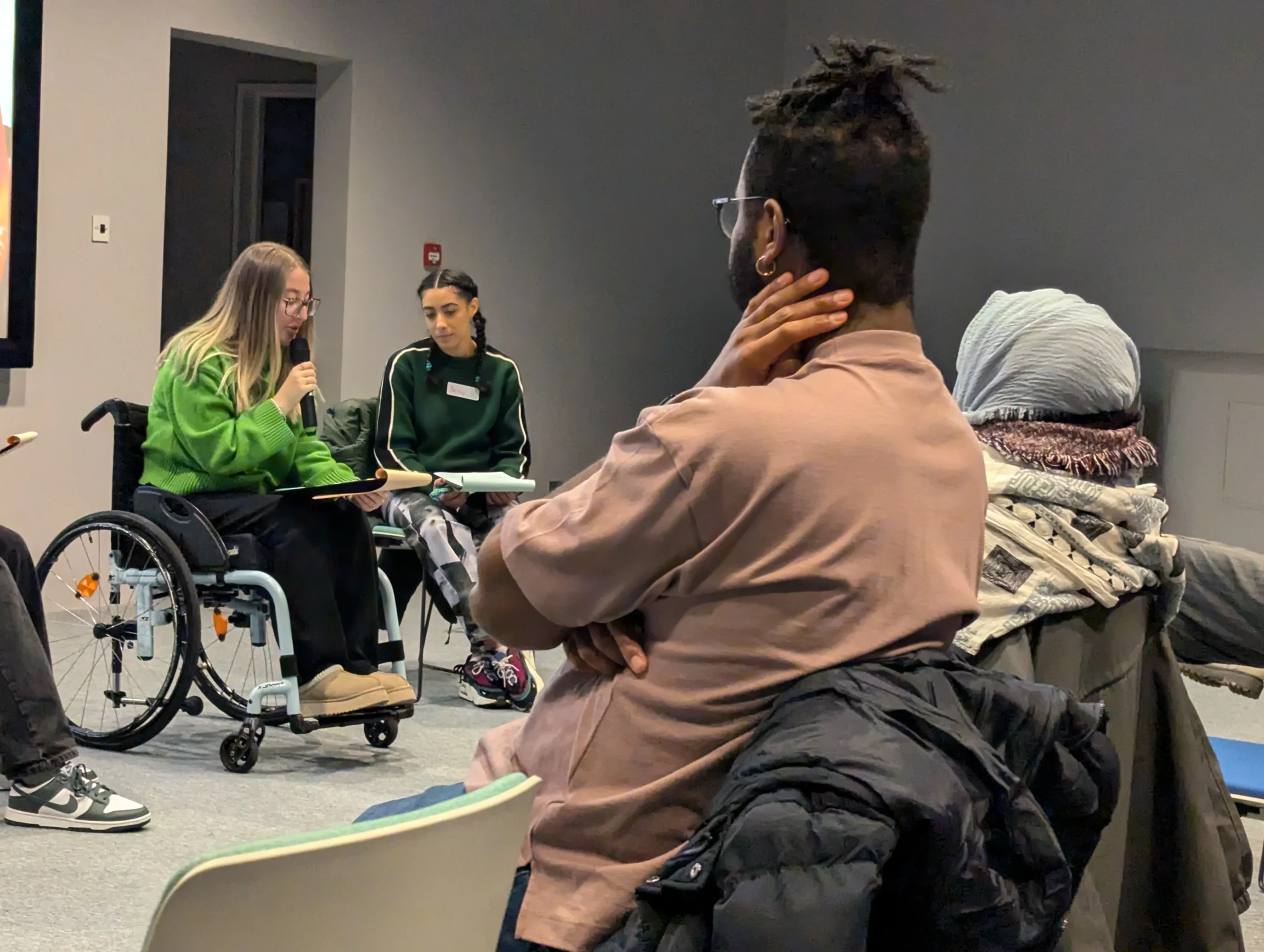
The Access Manifesto Screening and Workshop event at the Museum of Liverpool
Listening, Creating, and Taking Action: The Birth of The Access Manifesto
Maisy Gordon, an actor in High Times and Dirty Monsters, and Ayzah Ahmed, a Graeae Young Company member, recognised the need for continued activism. They found that many arts spaces were not only failing them but were also neglecting the majority of disabled people they worked with.
20 Stories High and Graeae led sessions in Liverpool and London to learn more about how young disabled people feel within theatres and the arts. The sessions were focused on creativity and discussion. The participants in the sessions created poetry, music, artwork, devised scenes, stand up comedy and wrote songs in response to the conversations that took place.
“One of the biggest topics that came up in the workshop was how few disabled people are seen on stage. It’s not just about young disabled creatives needing to see people like them in the arts, but also about young disabled people wanting to see themselves in stories and characters, just like everyone else. The lack of representation is really harmful to disabled people in our community. It makes us feel invisible and excluded. Representation matters, and right now, there’s a big gap that needs to be filled.” – Maisy Gordon
Ayzah and Maisy then collected all of the thoughts, ideas, and provocations to develop a practical, step-by-step guide aimed at helping arts organisations and venues take significant strides toward making the arts more accessible for young audiences, participants, and artists. This is how The Access Manifesto was born, a tool made by those who are directly impacted to inspire and guide the arts sector towards a more inclusive future.
The Access Manifesto screening and workshop at the Museum of Liverpool
The Access Manifesto Screening & Workshop Event
In January, 20 Stories High in collaboration with Graeae Theatre Company held a screening and workshop event for The Access Manifesto. The event was open to artists, organisations and leaders to come together and watch the film, learn about the available resources and share learning around accessibility. Taking place at the Museum of Liverpool, the event had over 60 creatives attend, and start to take action.
“It was fantastic to go to 20 Stories High’s Access Manifesto launch event and see so many local theatres and arts organisations fully engaged in coming up with solutions to remove barriers for disabled creatives and audience members.” – Laurance Clark
Hosted by Paislie Reid, Maisy Gordon and Jayden Reid, the event allowed participants to start working on their ‘access tracker’, a resource available online that helps plan accessibility improvements for the short and long term.
“In the lead up to the event I felt safe to ask for what I needed and this was fully supported. It was so useful to talk to other organisations big and small about how they are currently making lasting change and what initiatives they are using to do so. It was a safe, supportive and innovative space.” – Abigail Middleton, Liverpool’s Royal Court
The Access Manifesto screening and workshop also saw 23 individuals and organisations pledge to follow the manifesto, and continue to develop their accessibility going forward.
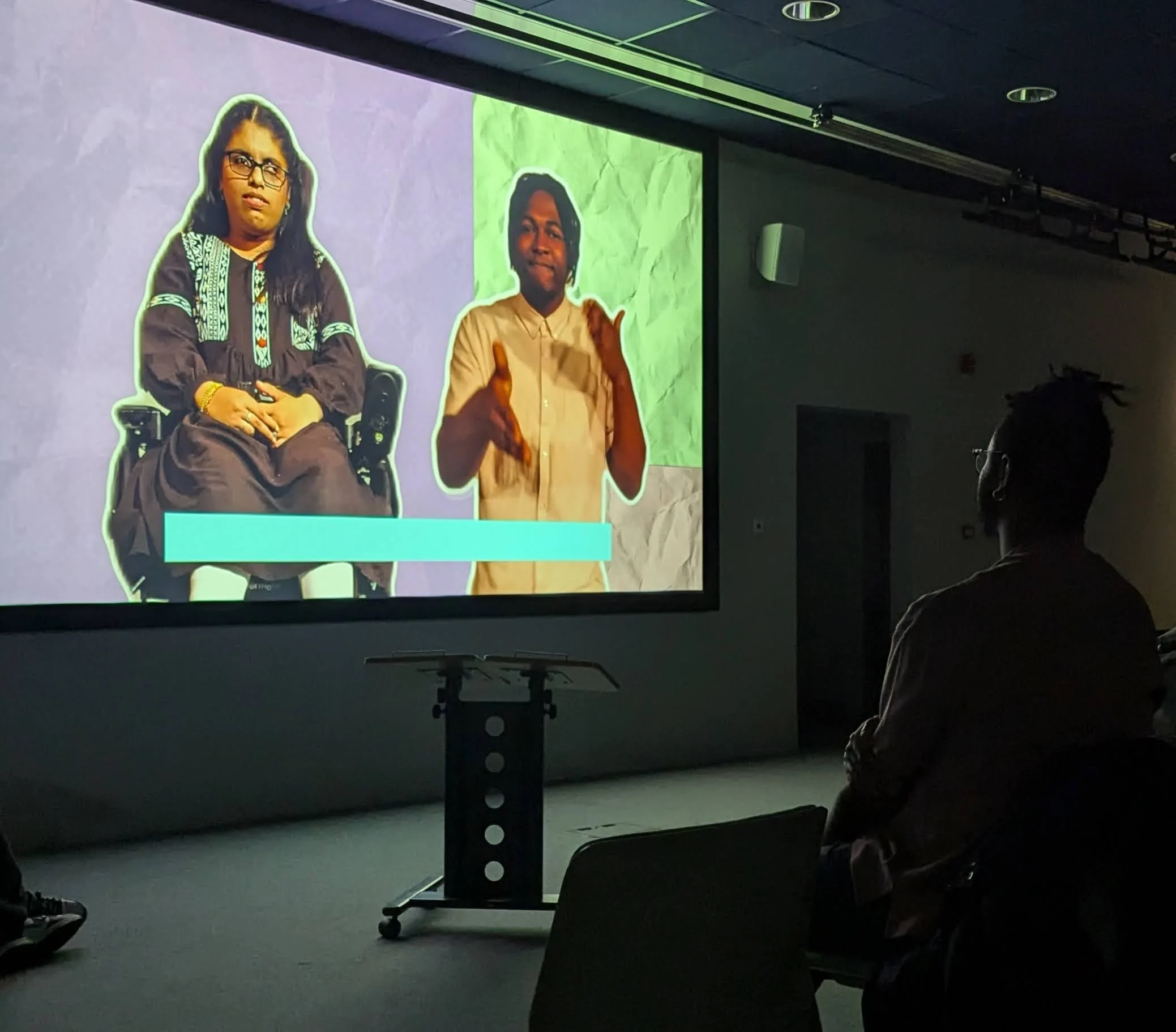
Left to Right: Maisy Gordon and Paislie Reid of 20 Stories High, speaking at The Access Manifesto screening and workshop
The Access Manifesto Film & Resources
The Access Manifesto is a film performed and written by Ayzah Ahmed and Maisy Gordon, and interpreted by Jayden Reid that features poetry and 8 Manifesto points. The Manifesto can also be accessed as a document in various different formats including large print, dyslexia friendly and easy read. You can watch or read The Access Manifesto here.
Since the launch of The Access Manifesto in July 2024, Maisy Gordon has worked with the organisations to release multiple guides and resources to accompany the film. These were aimed at spreading more awareness around disability, access and how to practically use The Access Manifesto as a tool.
A highlight of these is the ‘Using The Access Manifesto’ guide, a document that goes into more detail about each manifesto point in a practical way and gives examples of free and paid ways you can improve access in your venue, organisation or practice.
Pledge to Follow The Access Manifesto
20 Stories High and Graeae are inviting individuals and organisations to join in a collective effort to promote accessibility in the arts. By pledging to follow The Access Manifesto, you’ll play an active role in helping to create lasting, meaningful change in the sector.
With World Book Day coming up on 6 March 2025, this month we decided to look at some Buried Treasure that stems from the writing desks of Liverpool. We asked our friends at Liverpool Literary Agency, a collective of contemporary writers about the local authors from the past that encouraged them to pick up the writing pen.
J.P Maxwell
Nicholas Monserrat wrote The Cruel Sea about the Battle of the Atlantic in WWII, which made the water itself the villain as a force of nature. Monserrat was born on Rodney Street and himself served during the conflict. This book was an early read which stuck in my head, especially during choppy ferry crossings to Ireland which I frequently made as a kid. No U-boats or Destroyers on the Irish Sea though, only fellow passengers swilled up on Guinness and Paddy Whiskey.
Flash forward to now and seafaring – or rather control of the sea – is at the heart of my two books; Water Street and The Americans of Abercromby Square. The advent of the screw propeller in the mid-19th Century was every bit as important as the railway in terms of how modern trade developed. Throw in slavery that was at the centre of the American Civil War and the transition of the United States into a superpower and it all boils down to that cruel sea, mistress of vast wealth and mass diasporas at the same time.
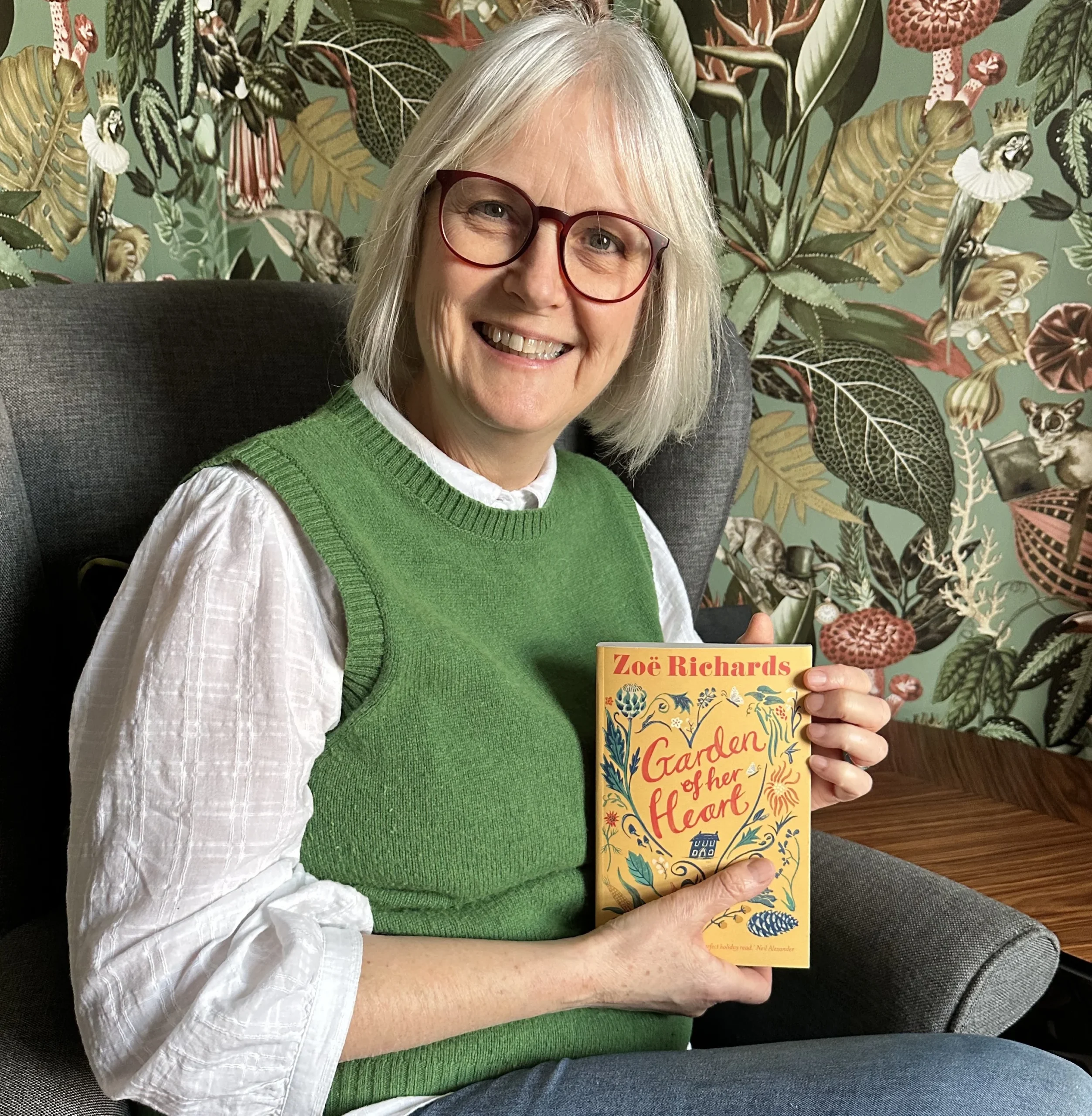
Zoe Richards
I’ve been influenced by a number of northern authors, and it’s been difficult to pick just one, but I’m going to go with a playwright. In about 1987 or 1988 (it was a long time ago!) I met Willy Russell at an event at his son’s school (a friend of mine taught at the school). He talked a bit and then he performed from Shirley Valentine, and I forgot he was a man reading the part of a woman because of his sensitivity with his words and performance. He was totally relatable and real. His writing was sharp and witty and tight, and he personally was kind and generous.
That event one summer’s evening inspired me and kept me going with my writing, albeit it took me a long time to realise my own dream. but Willy Russell showed me that ordinary people from ordinary northern backgrounds could weave our way in what felt like a very southern centric world.
Ten Years On The Parish is a work that reveals hardships and unflinching observations of the poverty experienced in Liverpool between the World Wars. The book illustrates an uncompromising, graphic account of the unemployed struggle in Liverpool and the first Hunger March of 1922.
Garrett’s writing reveals a man of principle and a character that demands admiration. In his writings we see the very essence of the indefinable Liverpudlian spirit, which contains toughness blended with a subtext of tenderness.
Garrett wore many hats in his lifetime and is a working class renaissance man for he was a merchant seaman, a writer, a playwright, a radical activist and a founder member of Liverpool’s Unity Theatre. Which according to Alan O’Toole, ‘took both literature and the ‘message’ straight to the people on the streets.’
His catalogue of work, despite the hardships he suffered, is exceptionally impressive. Penning three plays overtly influenced by the new realism of American playwright Eugene ONeill (writer of acclaimed ‘Long Day’s Journey into the Night,’ recognised by the actress Jessica Lange as the greatest American play).
I have been influenced by his attitude of getting things done and also juggling many different projects weaving a tapestry of a creative career.
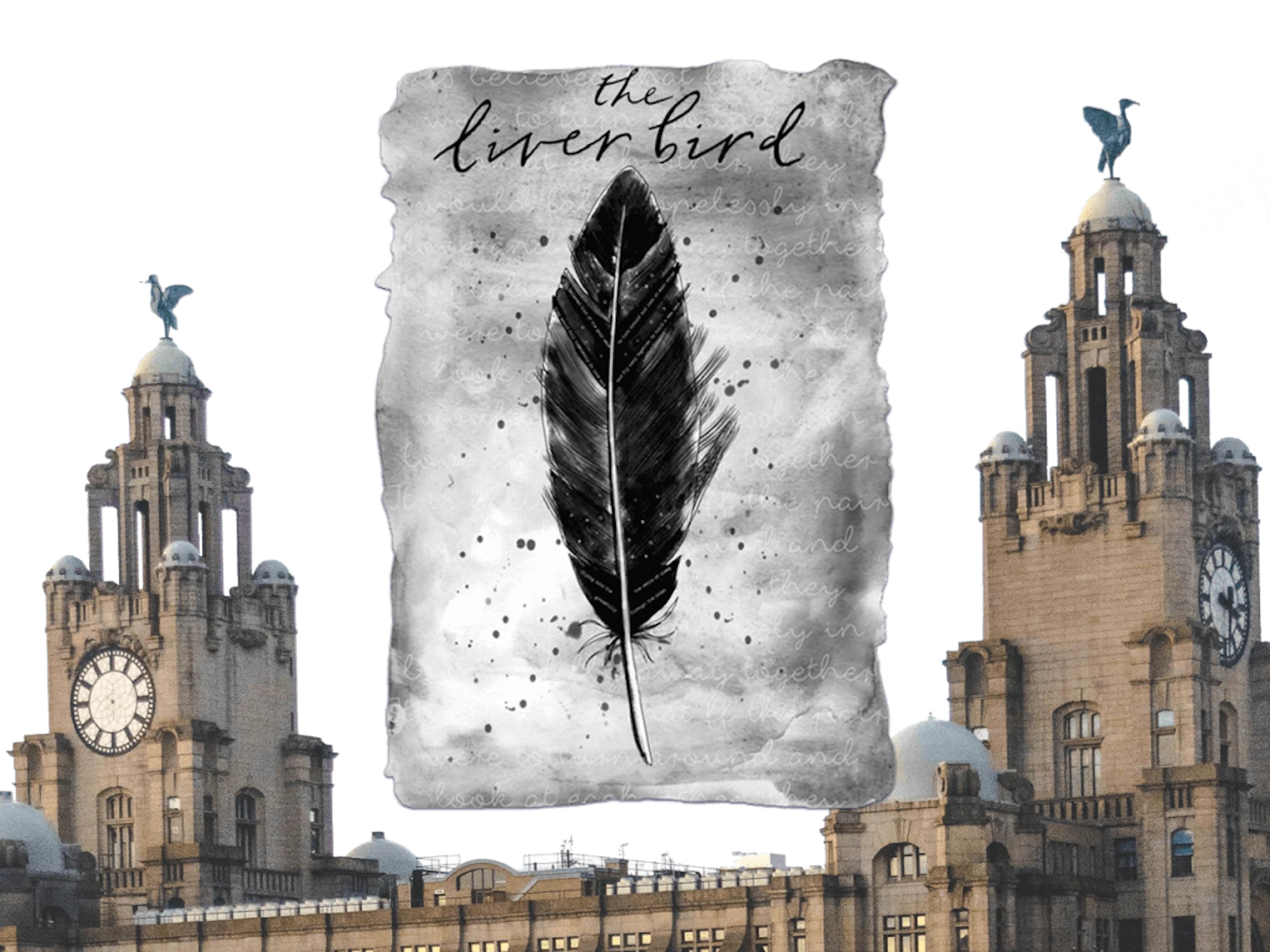
His approach inspired me to write my love letter to Liverpool, blending magic realism, humour and urban folklore in my novella The Liver Bird.
Keep an eye out for World Book Day Events in the Liverpool city region via our What’s On listings.
Loved: I saw The Feral Parakeet at the Smithdown Arts Hub where poetry, words and avant-garde jazz improvisation merged. It was inspiring. Time talking with my friend and fellow writer, Sue Comer, about what we write and why. I went wassailing down south in the freezing cold, a reminder of origins. When possible, I go to any of the galleries to quieten my mind. A pint in The Caledonia – beer, conversation and music.
Looking forward to: The WOW Pulp Idol Grand Final full of brilliant new writers but I’m in The Studio Below that weekend for the Weird and Wonderful Festival (I’ve a tiny part in Mick Francis’ Wheat is What We Eat and I’m also directing Lauren Blakeway’s The Fox). Opening our new premises on Wood St for rehearsal and performance. Liverpool International Jazz Festival. A long way off yet but the Liverpool Fringe gets better each year.
Trivia: I write to the sounds of discordant, arrhythmic jazz. My pet’s names reveal my like of absurdism – Mortimer, Vic and Bob. Art changes the world so never stop being a revolutionary. The other side of my brain loves a good spreadsheet. Street protest politics brought me to theatre.
Looking for the best things to do in February half term? Liverpool and the wider city region have plenty of exciting activities to keep the whole family entertained during the school break.
From hands-on creative workshops at Tate Liverpool and Bluecoat to interactive exhibitions and theatre, there’s something for every young explorer. Whether your child loves arts and crafts, storytelling, or getting up close with history, this guide is full of fun-filled events happening across the region. Here are some of the best things to do in February half term in Liverpool and the city region.
1. Mars At The Museum, Norton Priory and Museum & Gardens (Until 9 March)
Credit: Norton Priory Museum & Gardens
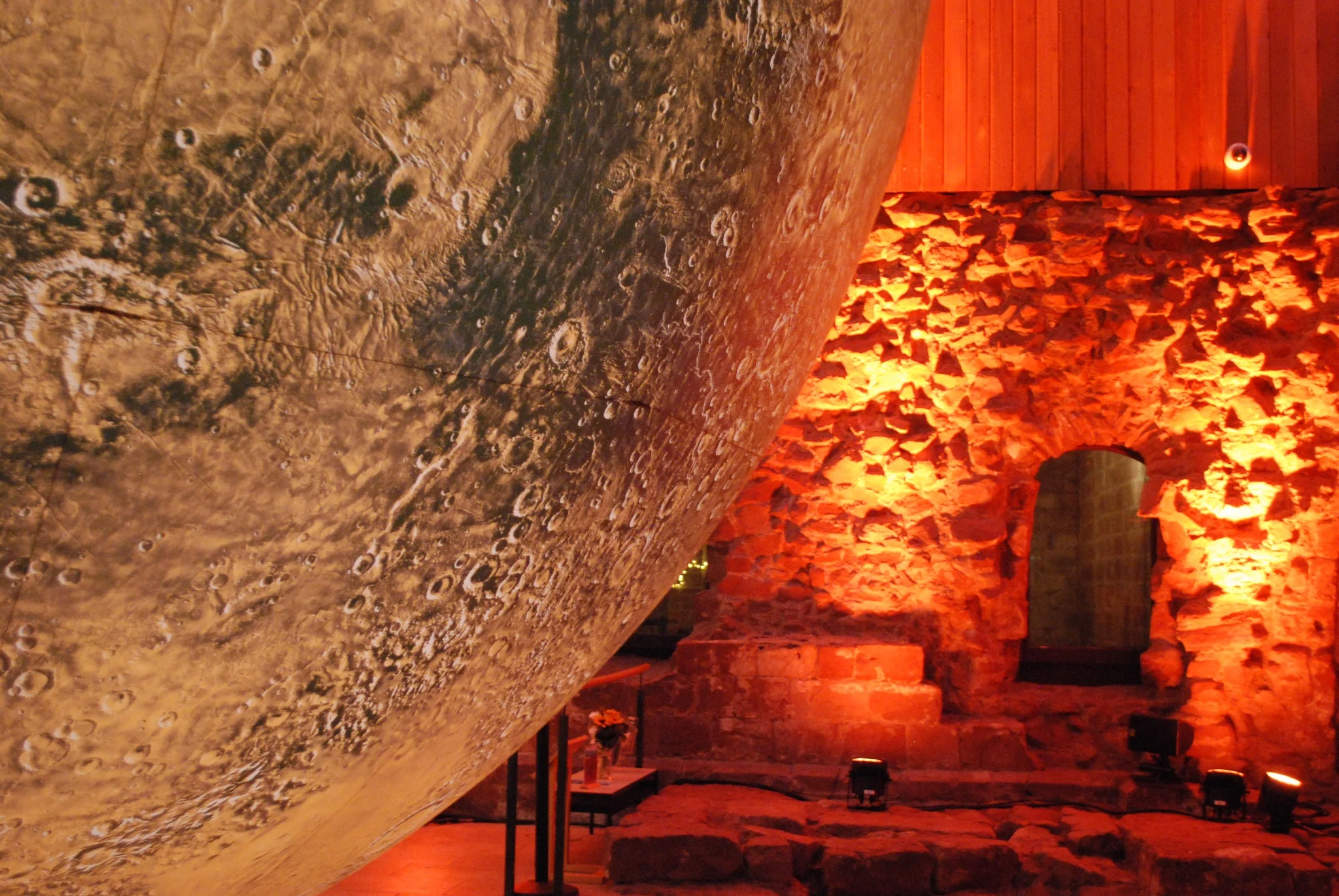
One of the most exciting things to do in February half term has to be Luke Jerram’s mesmerising art installation ‘Mars At The Museum’. It’s perfect for both kids and grownups, featuring detailed NASA imagery of the martian surface. With children entering for free this is a perfect chance to step outside the everyday and experience the red planet in a unique setting.
Fun Half Term Activities At Tate Liverpool
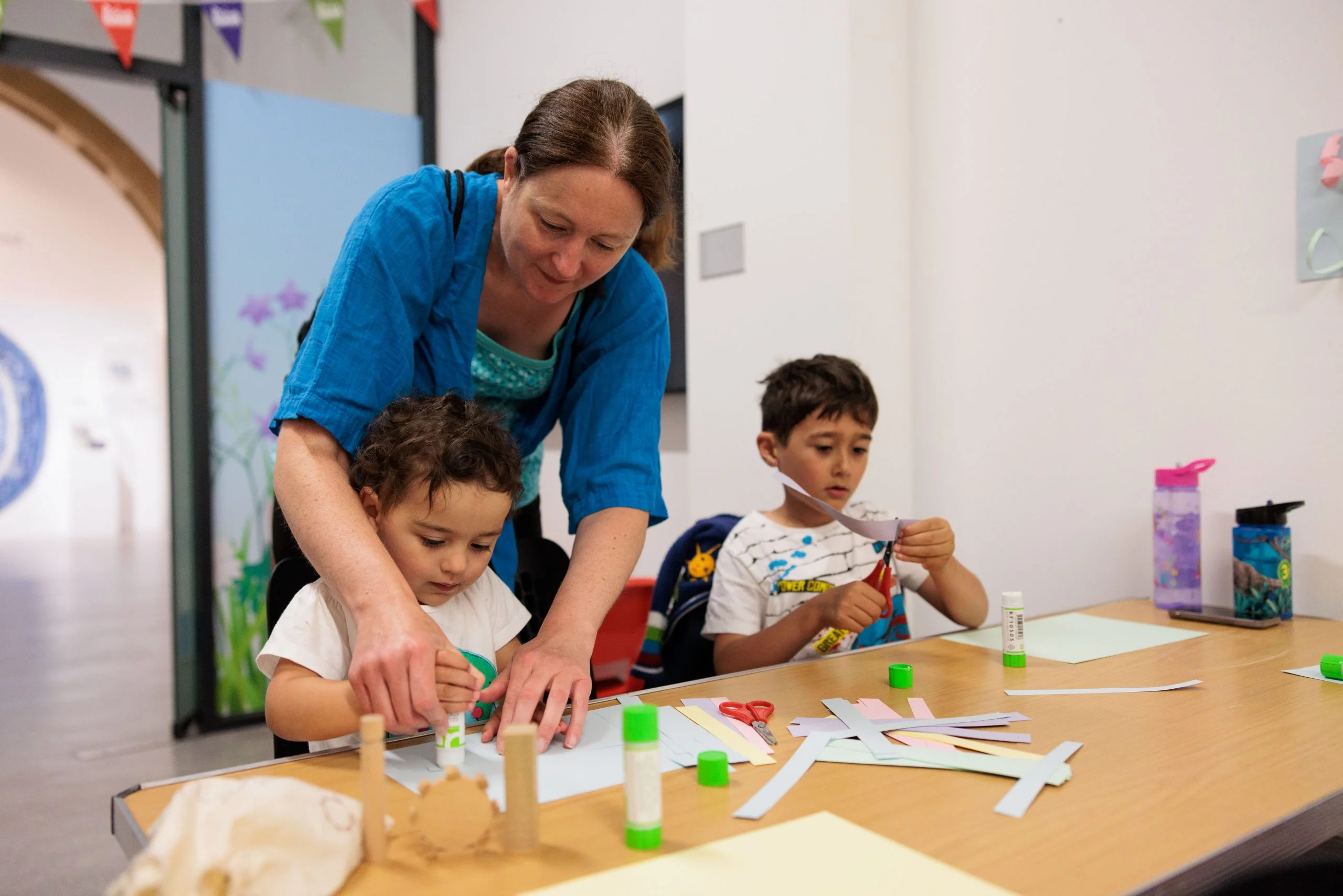
2. Blooming Creative: February Half Term Workshops (15-23 February)
Copyright: (c) Succession Henri Matisse/DACS 2017 / Photo (c) Tate
Head to the immersive learning space at Tate Liverpool + RIBA North with free activities designed by Hellen Songa. Focusing on herbs and community gardens in Liverpool, children will have the chance to make their own herbal dream pillow or wand. They’ll also get a chance to add a plant or flower to the Tate’s paper flower garden.
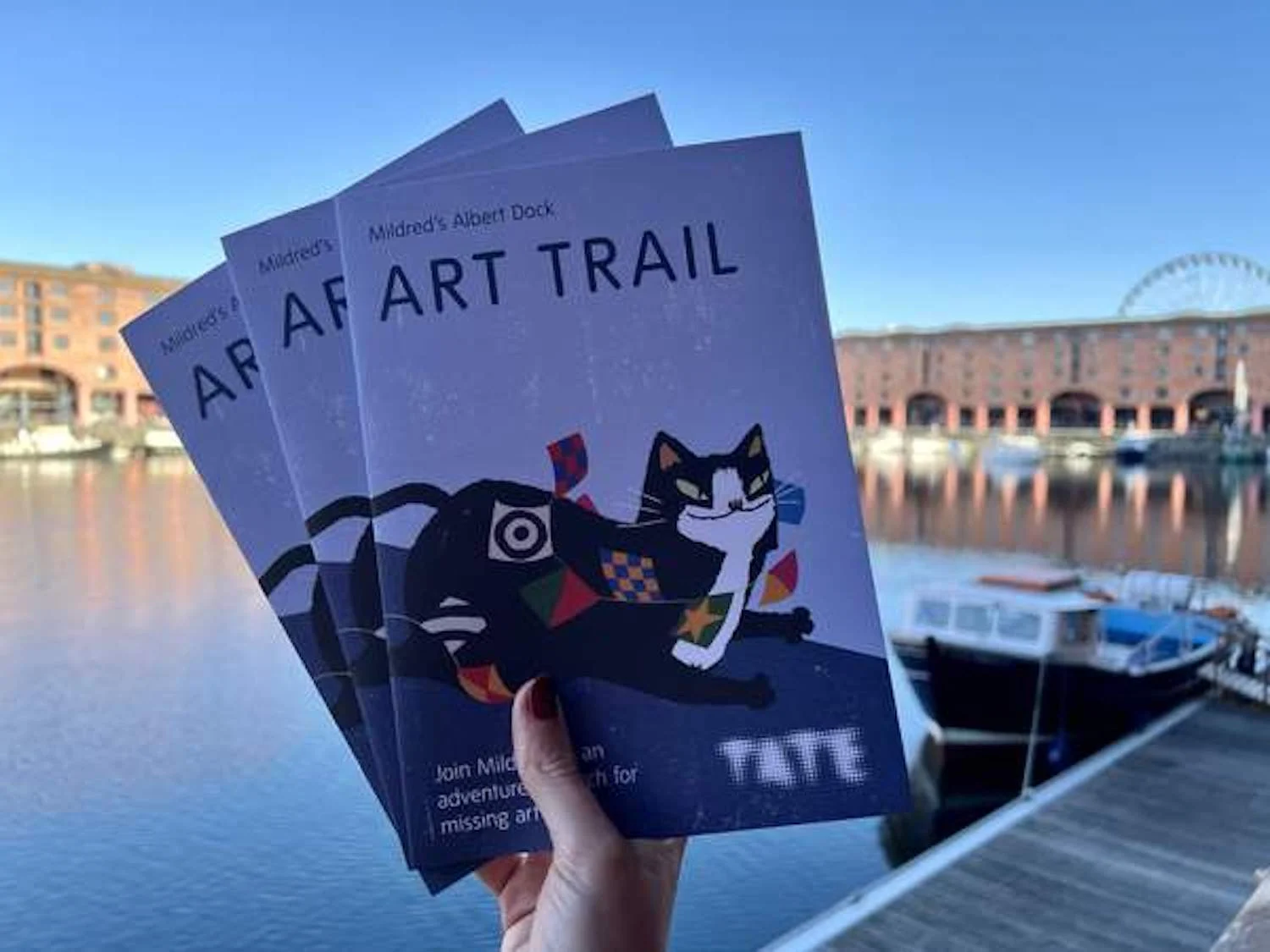
3. Mildred’s Albert Dock Art Trail (Available every day)
Help Tate Liverpool’s art-loving cat Mildred find 6 images placed around the Royal Albert Dock. Using the free booklet from The Tate Liverpool, this trail encourages young visitors to create their own amazing art.
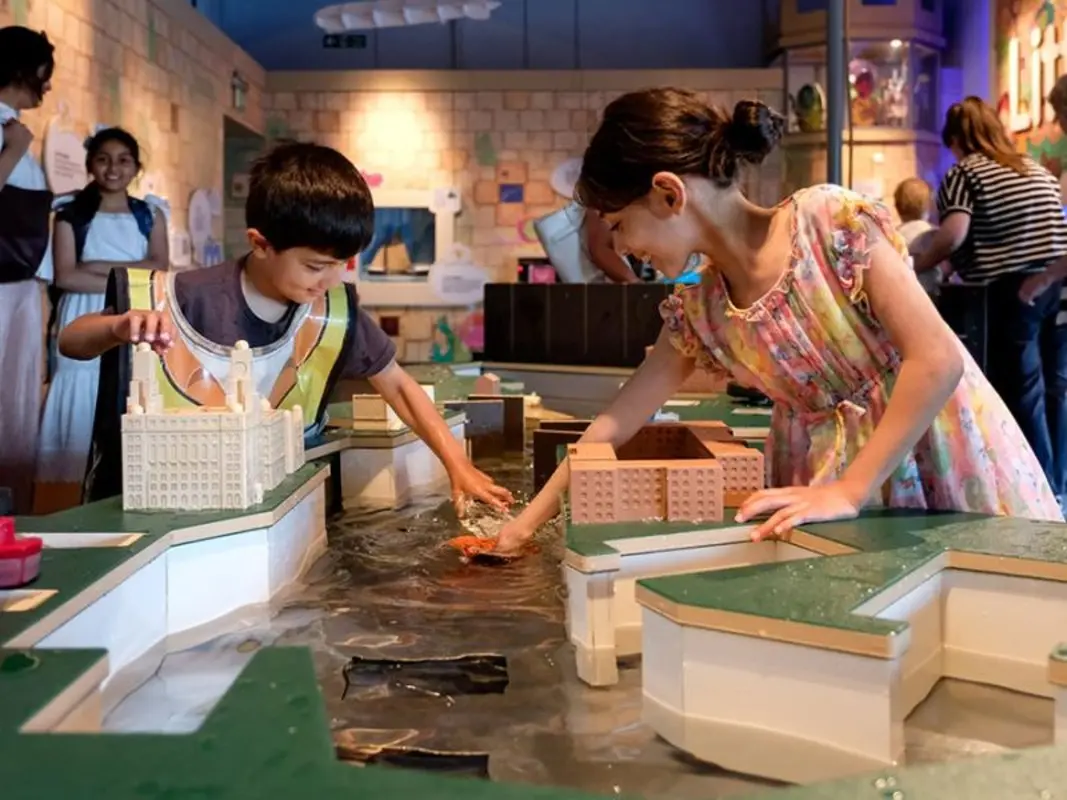
4. Animal Adventures – Little Liverpool Special, Museum of Liverpool (Tuesday and Sunday Mornings)
Animal adventures is a part of the hands-on and interactive fantasy world ‘Little Liverpool’. These sessions let children explore the world of wild animals with extra animal themed activities for younger visitors to enjoy.
Bring the family to the new Dinosaur Adventure this February half term with their brand new Dinosaur’s being let loose. In this brand new adventure, help the crew save the dinosaur’s after a weather system malfunctions threatening the lives of their prehistoric friends.
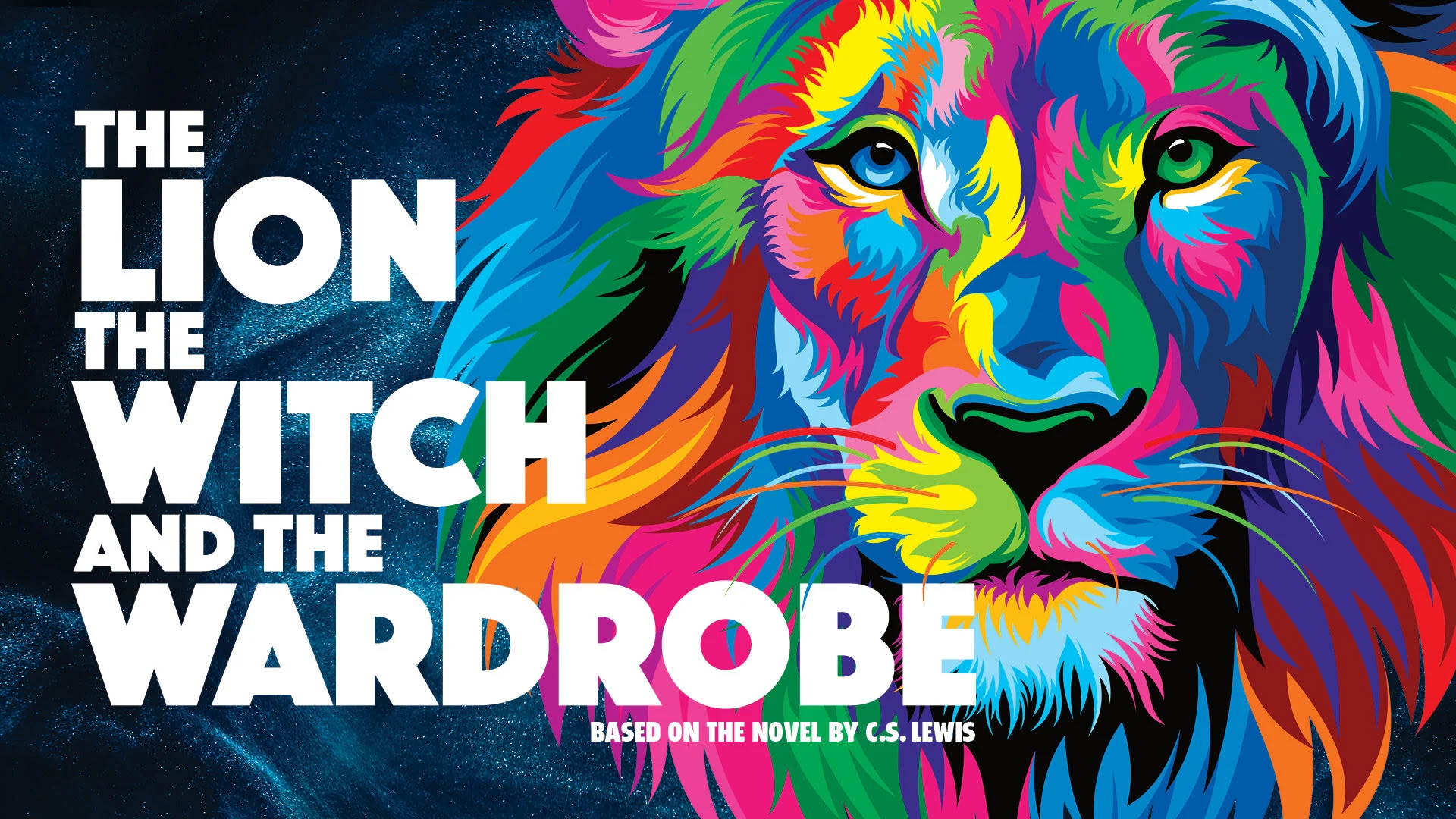
7. The Lion, The Witch and The Wardrobe, Empire Theatre (18- 22 February)
A magical theatre experience is always a great thing to do in February half term. Step into the magical world of Narnia as the Empire takes you on a thrilling adventure in celebration of 75 years of the classic C.S. Lewis novel, The Lion, The Witch and The Wardrobe. There are matinee performances, so you won’t be up past anyone’s bedtime!
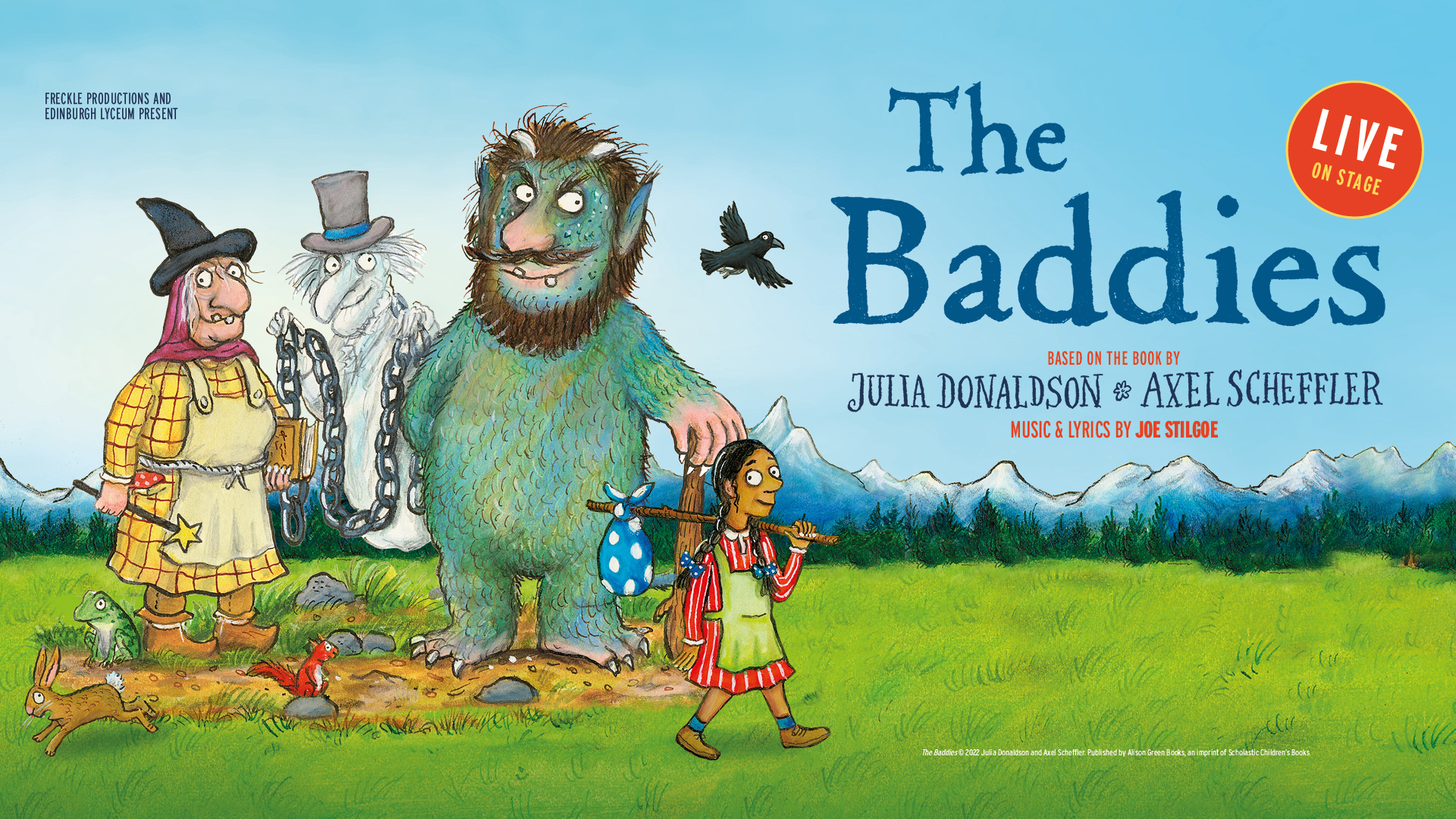
8. The Baddies, Playhouse Theatre (18 – 22 February)
Based on the book by Julia Donaldson and Scheffer this adaptation of The Baddies is perfect for entertaining your young ones this February half term. As you meet a troll, a witch and an ancient ghost who try to scare a little girl out of her wits, be prepared for lots of laughs in this hilarious adaptation of a smash hit story.
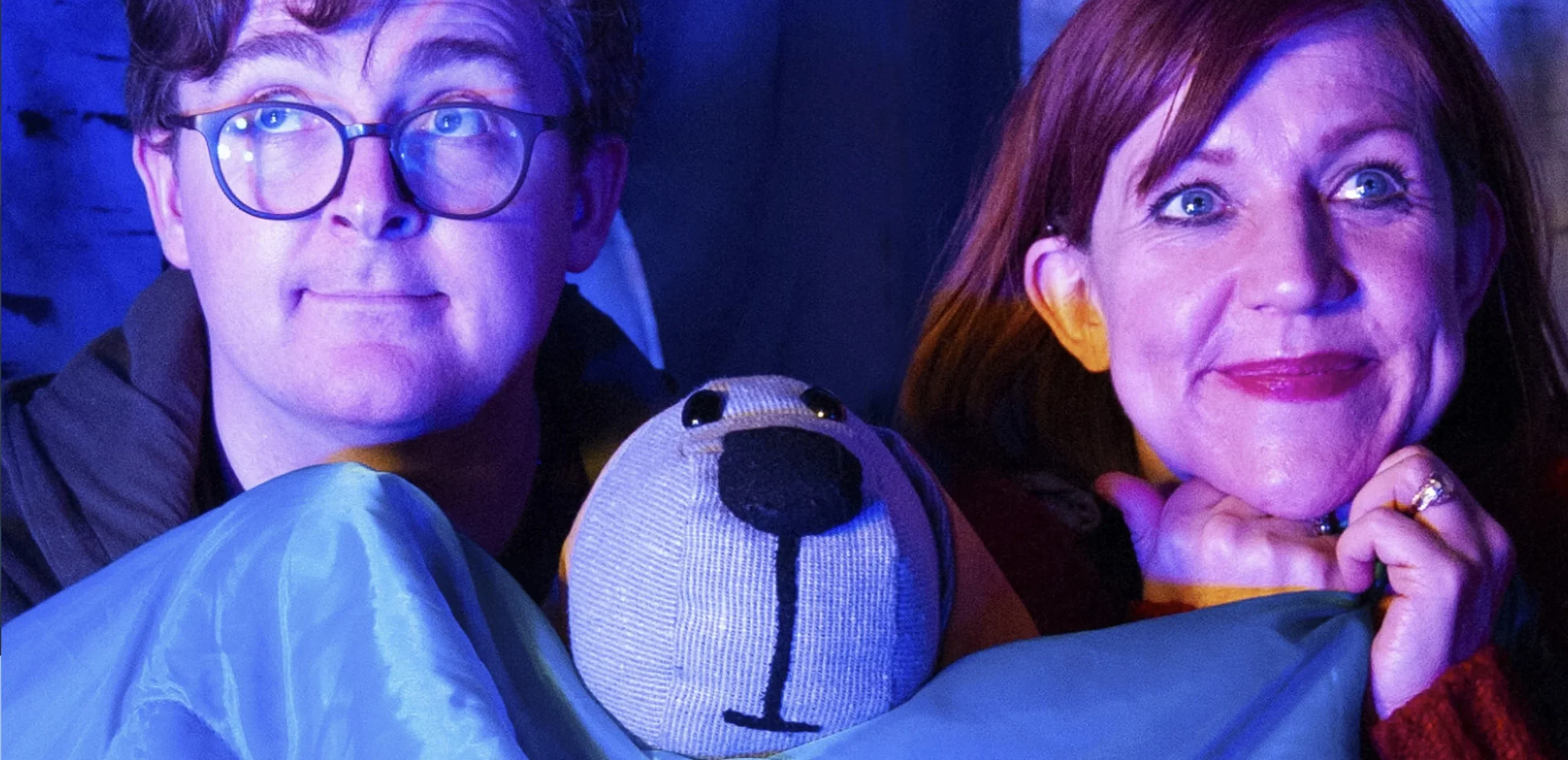
9. When Another Dragon Roars, Unity Theatre (18 February)
Alfie and his mum both find it hard to talk about their feelings, but when they go camping they share stories about dragons. These dragons are angry, sometimes sulky and even scary. Alfie and his mum soon realise they are quite similar to the dragons. Using puppetry When Another Dragon Roars tells a story about handling emotions as both a parent and a child.
10. Block Printing, Bluecoat (19 February)
This February half term, children and their grownups are invited to Bluecoat to design and create their own block prints inspired by the Bluecoat building. Suitable for 3+, this session is free, just drop in between 1-3pm.
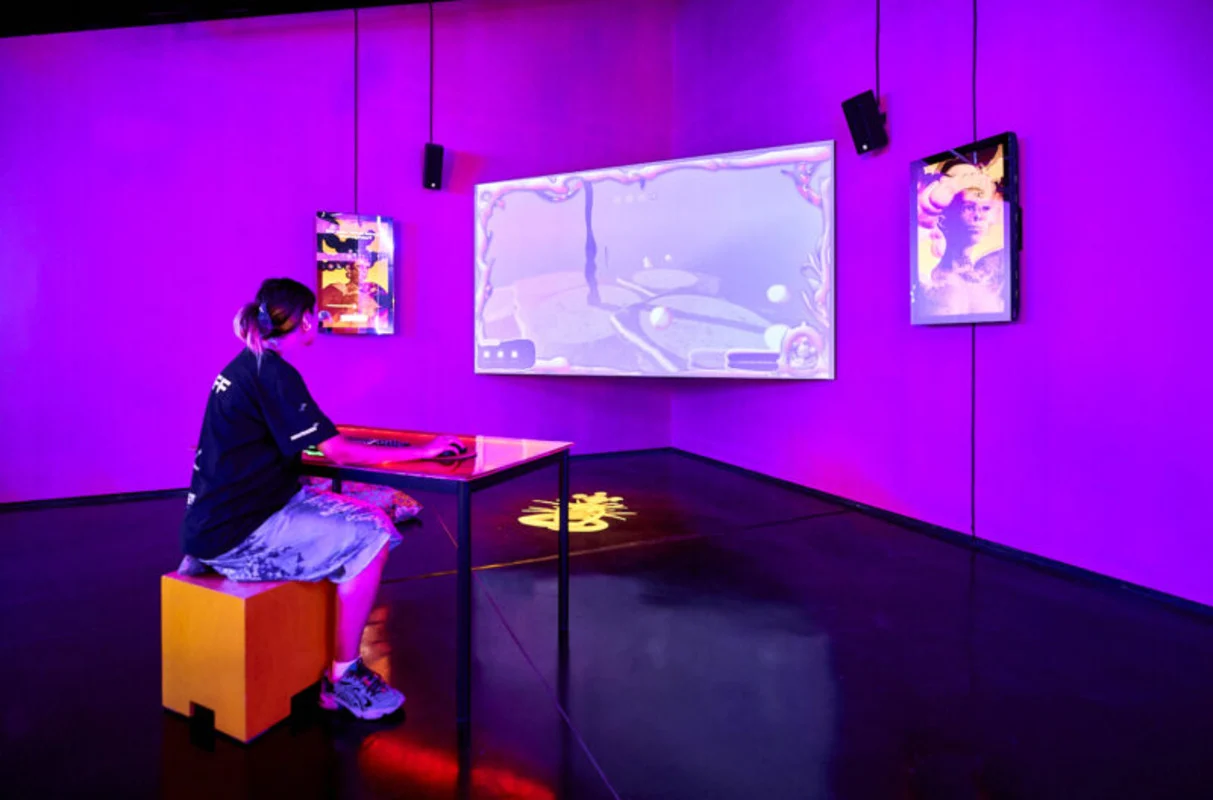
11. Art Plays Games, FACT (Until 27 April)
FACT has turned their first floor gallery into a space for games created by digital artists and independent game developers. Art Plays Games is fun, playful and suitable for both gamers and non-gamers featuring a different range of games which challenge conventional ways of storytelling.
For even more things to do in February half term in Liverpool and the city region check out our What’s On Listings.
This week’s Culture Radar guest is the Artistic Director, A Place for Us Theatre, Kate Allerston.
Loved: I have really enjoyed the NPO events programme at Norton Priory in Runcorn, where I have been fortunate to be one of the Artistic Directors, along with my husband Chris Bastock, in 24/25. This includes the events around the Gaia (Earth) installation, the outdoor and indoor theatre & concerts programme and the events currently around the Mars installation (until 9 March 2025).
Looking forward to: I am really looking forward to being at Shakespeare North Playhouse for several of our productions this coming summer.
Trivia: I have been an actor & director for over 30 years, starting at the Liverpool Playhouse Youth Theatre as a young teen, then went on to study acting in London at LAMDA, lived/worked in London for all of the 90s and early naughties and was one of the founder artistic directors of the now international and Shakespeare Schools Festival (now Coram Shakespeare Schools Foundation) and returned to work in the arts across the LCR in 2005.
Southport offers a mix of culture, history, and unique attractions to enjoy. The Atkinson, a stunning 19th-century venue, is the town’s cultural heart, featuring a museum, theatre, art gallery, and a diverse programme of exhibitions and performances. Film lovers can enjoy the Southport Bijou Cinema, an independent, not-for-profit cinema showcasing everything from cult classics to indie gems in a cosy setting. Whether you’re exploring local history, catching a film, or discovering hidden gems, there’s plenty to see and do. Here are seven top attractions to check out in Southport.
1. The Atkinson
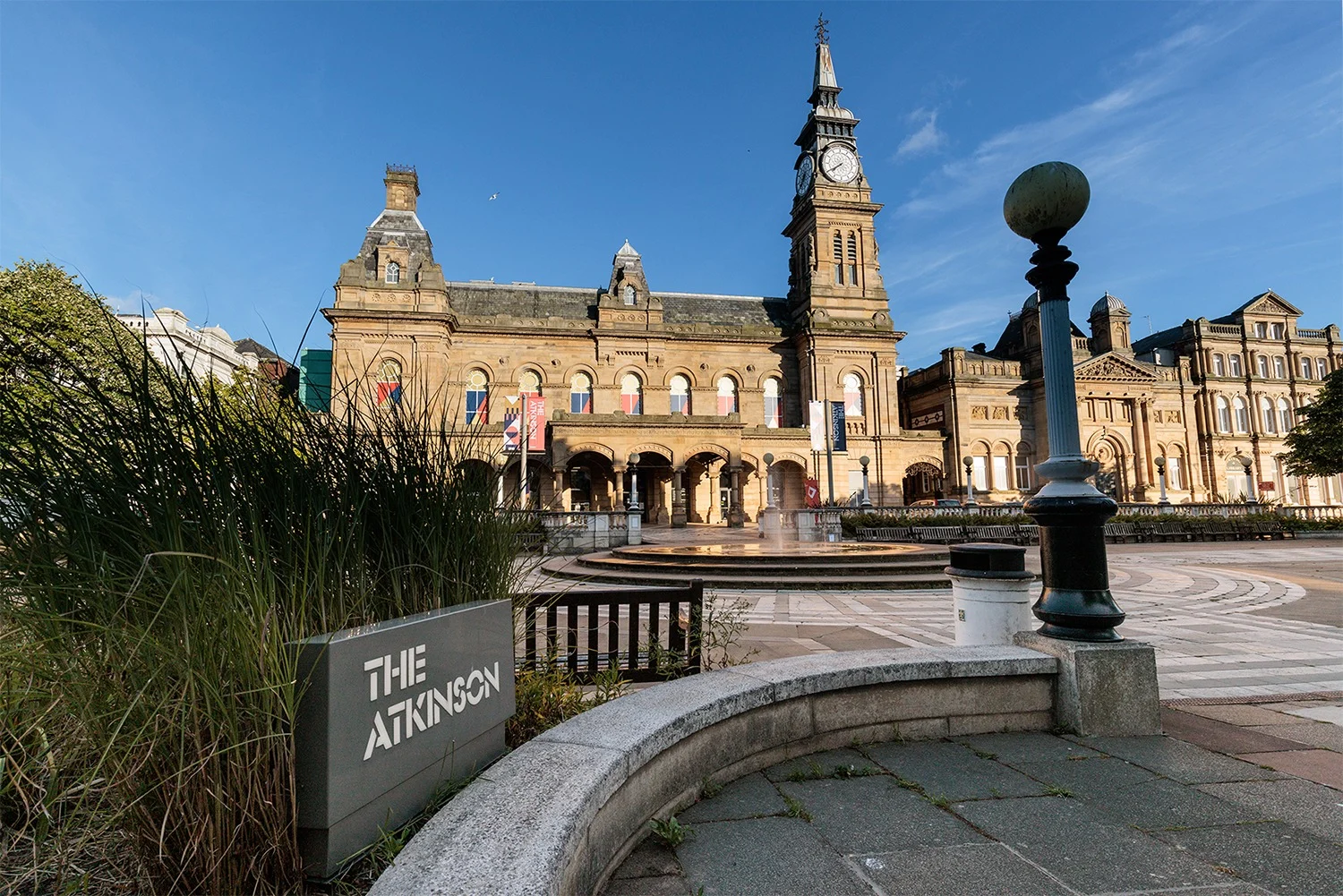
The Atkinson is Southport’s home for music, theatre, art, literature and history. Situated in the middle of the iconic Lord Street and just three minutes’ walk from Southport train station.
The venue is a popular destination for families and arts enthusiasts alike. The nineteenth century buildings create a welcoming and accessible multi art-form venue.
The Atkinson is open throughout the year and presents a varied seasonal programme and changing exhibitions, events and lectures, so whatever time you visit, they offer a creative and varied day out.
The Atkinson: Lord Street, PR8 1DB.
2. Southport Beach & RSPB Marshside
RSPB Marshside wetland site is located north of Southport town centre and has some of the best wildlife in the region, with amazing year round viewing opportunities.
In the summer, you’ll see nesting birds like avocets and lapwings, while the skies are full with pink-footed geese and wigeons in the winter.
If you’re new to wildlife watching, they also offer special event days to learn more and help get you involved.
RSPB Marshside: Marine Drive, PR9 9NT.
3. Southport Bijou Cinema
For film lovers, the Southport Bijou Cinema is a must-visit. This independent, not-for-profit cinema offers a cosy and intimate setting, showcasing a mix of classic films, indie gems, and cult favourites. They offer affordable tickets and have a fully licensed café bar. Whether you’re catching a timeless classic or discovering a hidden cinematic treasure, the Bijou Cinema brings a unique movie-going experience to the heart of Southport.
Southport Bijou Cinema: 8 Post Office Ave, PR9 0US
4. British Lawnmower Museum
Southport’s British Lawnmower Museum has now become one of the world’s leading authorities on vintage lawnmowers and are now specialists in antique garden machinery, supplying parts, and valuing machines from all over the world.
They have created a unique ‘turfrific’ exhibition called Lawnmowers of the Rich & Famous including lawnmowers and garden implements by Prince Charles and Princess Diana, Brian May and Eric Morecambe.
The cutting edge museum is a truly unique attraction. Parts of the 2000 Lawnmower collection attracts visitors to take the ‘Unique Experience Personal Guided Tour’ of the museum – See the biggest, the smallest, the first, the most expensive, the fastest & ‘Lawnmowers of the Rich & Famous’ each with untold unique stories from our great British social Heritage.
British Lawnmower Museum: 106-112 Shakespeare Street, PR8 5AJ
5. Southport Little Theatre
Southport Dramatic Club was founded in 1920 and the art deco styled Little Theatre became their permanent home just prior to World War Two.
By the 1960s, the club was putting on seven shows a season. Seasons now comprise of eight productions, including, a regular ‘Out-of-Season’ production in their bar.
They are currently presenting Gym and Tonic, a bittersweet comedy and honest commentary on the state of our times, 20-29 October, 7.30pm.
Little Theatre: Hoghton Street, PR9 0PA.
6. Parks and Gardens
Southport has a number of beautiful parks and gardens to visit. Hesketh Park is one of the largest parks in Southport. The Victorian Park has plenty to offer visitors, a mile walk away from Southport’s centre and with plenty of on street parking, this picturesque park is a perfect place to lose track of time.
The gardens and ornate fountains have been restored and reconstructed, to bring the park back to its former glory. There are numerous nature trails, varied wildlife, a large lake, and a children’s play area.
Hesketh Park: 17 Park Crescent, PR9 9JN.
The 17-acre King’s Gardens features Victorian shelters, a Venetian Bridge, and colorful flowerbeds and displays, carefully tended by the local community. The park often hosts events and also features a charming vintage tearoom.
King’s Gardens: 1 Promenade, PR8 1QY.
7. Seasonal Events
Southport is home to several major events throughout the year, making it a fantastic destination for seasonal celebrations. The Southport Air Show, Southport Flower Show, and British Musical Fireworks Championship are just a few examples of the exciting events that draw visitors from all over. These events offer thrilling displays, live entertainment, and a chance to celebrate the season in style.
Southport Air Show (July)
The Southport Air Show is a thrilling annual event held on Southport beach. Featuring a spectacular display of military, civilian, and historical aircraft, it’s a must-see for aviation enthusiasts.With exciting aerial acrobatics, ground-based attractions, and family-friendly entertainment, the air show offers a day of fun for all ages.
Southport Flower Show (August)
The Southport Flower Show is the UK’s largest independent flower show, held annually in Victoria Park. The event showcases stunning gardens, floral displays, and horticultural excellence.Visitors can also enjoy live music, food stalls, shopping, and expert gardening advice, making it a brilliant day out for green-fingered enthusiasts and families alike.
British Musical Fireworks Championship (September)
The British Musical Fireworks Championship is a dazzling pyrotechnic spectacle held at Victoria Park. Top firework teams compete to create breathtaking displays synchronised to music. The event fills the night sky with colour and sound, offering a magical experience for spectators.
To discover more things to do across the Liverpool City Region check out our What’s On listings.
Have we missed anything in this article? Let us know! Get in touch with Clare at clare@culture.org.uk. We strive to make our features as inclusive as possible, so we’re keen to hear your suggestions.
February offers a fantastic lineup of things to do in Liverpool and the city region with new exhibitions, shows, films, and workshops to explore. Enjoy folk festivals at The Atkinson, discover spring exhibitions at Williamson Art Gallery, experience The Merchant of Venice at Liverpool Playhouse, or catch Jazz Sabbath at Liverpool Philharmonic Hall Music Room—there’s something for everyone!
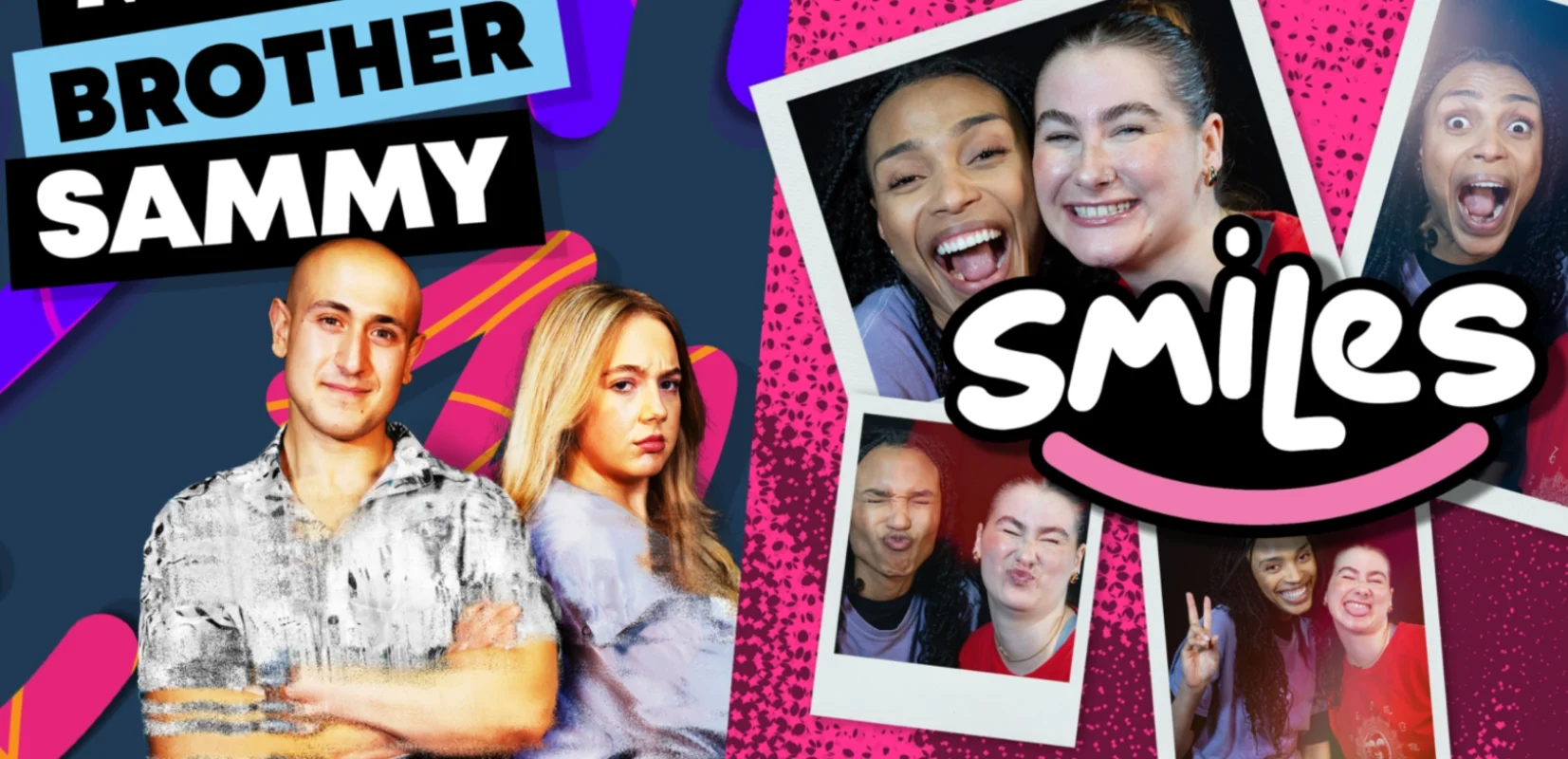
1. My Big Brother Sammy / Smiles, Unity Theatre (4 – 5 February)
The Unity Theatre presents two insightful and compelling productions for 2025. My Big Brother Sammy follows Jess and her older brother, Sammy, on the night of their Nan’s 70th birthday party. Bold, funny, and thought-provoking, this play dives into the highs and lows of sibling bonds, female empowerment, and complex issues of misogyny.
Smiles follows Makena, a shy and reserved introvert, and Ruby, a loud, unstoppable extrovert who can’t stand being alone. But as life throws unexpected challenges their way, the two opposites form an unlikely friendship that shakes things up—and changes everything.
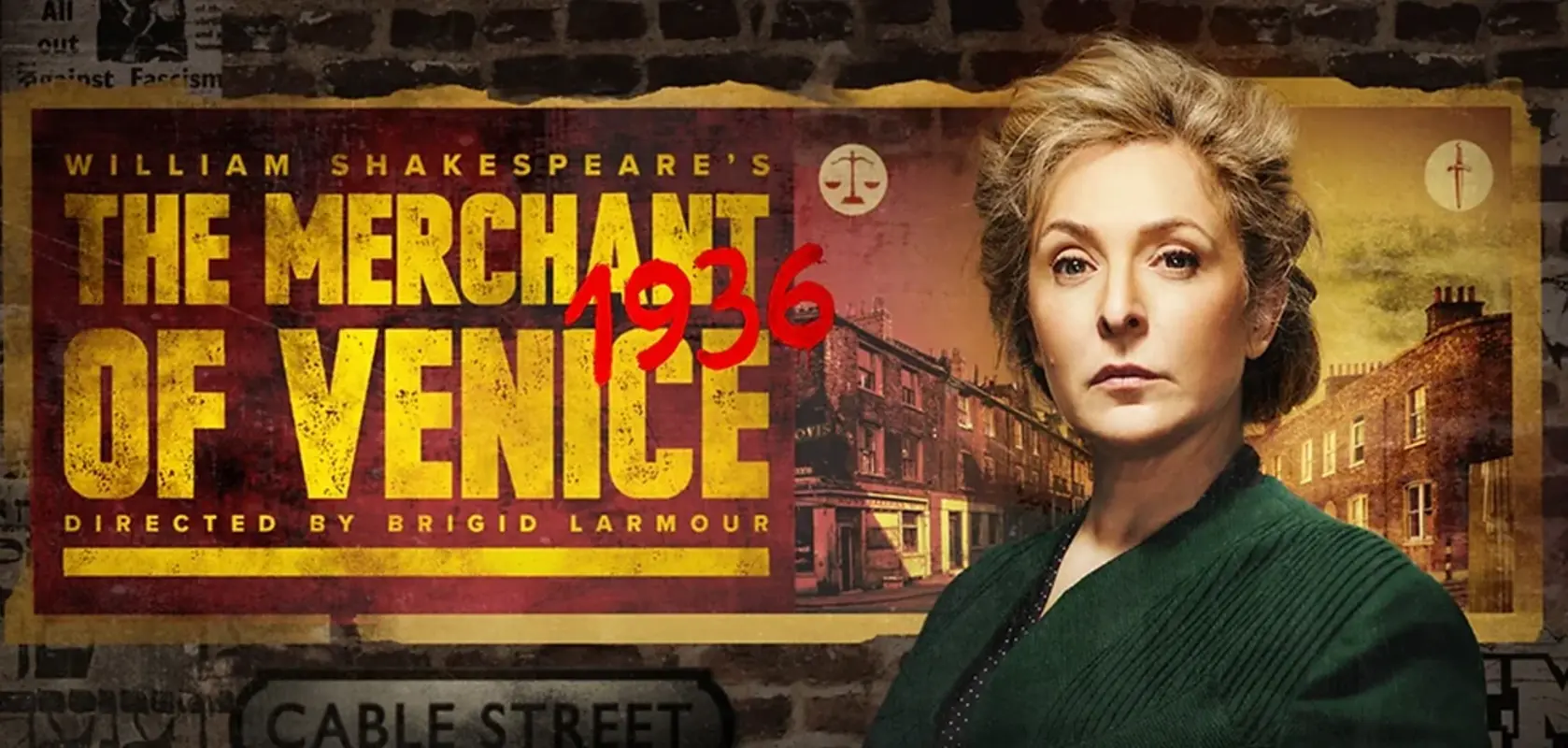
2. Merchant of Venice 1936, Liverpool Playhouse (4 – 8 February)
Ambition, power and political unrest explode onto the stage in The Merchant of Venice 1936, direct from selling out the RSC and London’s West End. Starring Tracy-Ann Oberman (EastEnders, Doctor Who) as Shylock, Shakespeare’s classic is transported to 1930s Britain in this striking new production. The Telegraph described the production as ‘making theatre history’. The show is adapted by Brigid Larmour and Tracy-Ann Oberman.
Don’t miss this unforgettable, electrifying new production of The Merchant of Venice, a fascinating and timely reminder of a key moment in British history.
3. The Plant That Stowed Away, Tate Liverpool (6 February – 11 May)
Copyright: (c) Succession Henri Matisse/DACS 2017 / Photo (c) Tate
Through art in the Tate Collection, The Plant that Stowed Away traces the connections between the trading history of cities like Liverpool and the global movements of plants and people. This display is inspired by the Weeds of Wallasey series by Wirral-born photographer Chris Shaw which highlights the battle between nature and the post-industrial landscape of the area where he grew up.
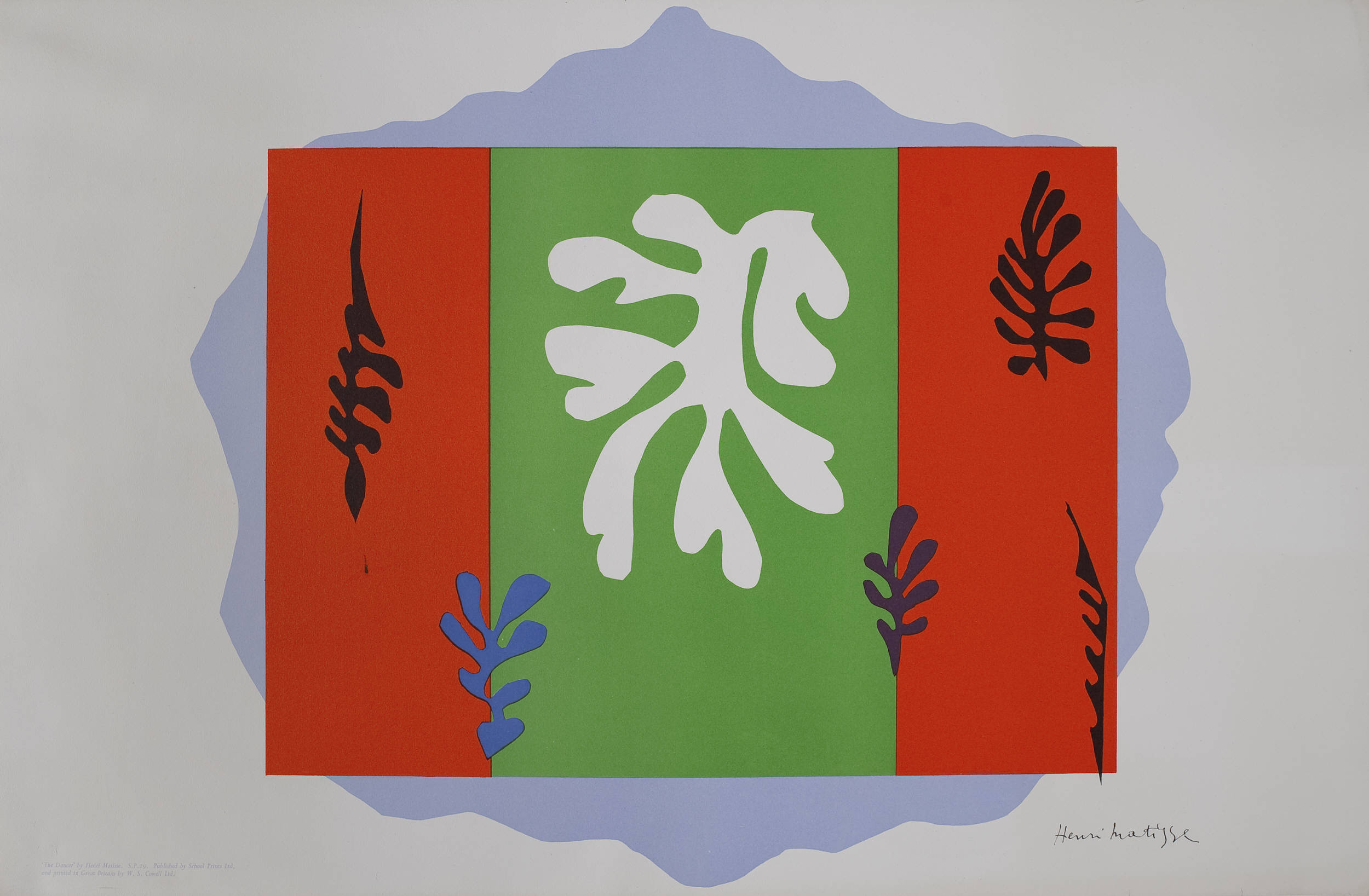
The display includes collage by French modernist Henri Matisse, the Afro-futurist photography of Cristina de Middel, Turner Prize-nominated artist Delaine Le Bas’s textile work and Kader Attia’s caustic film exploring our relationship with oil and sugar.
4. PVTV Fringe Flicks: David Lynch’s The Grand Mother + Short Films, DoES Liverpool (7 February)
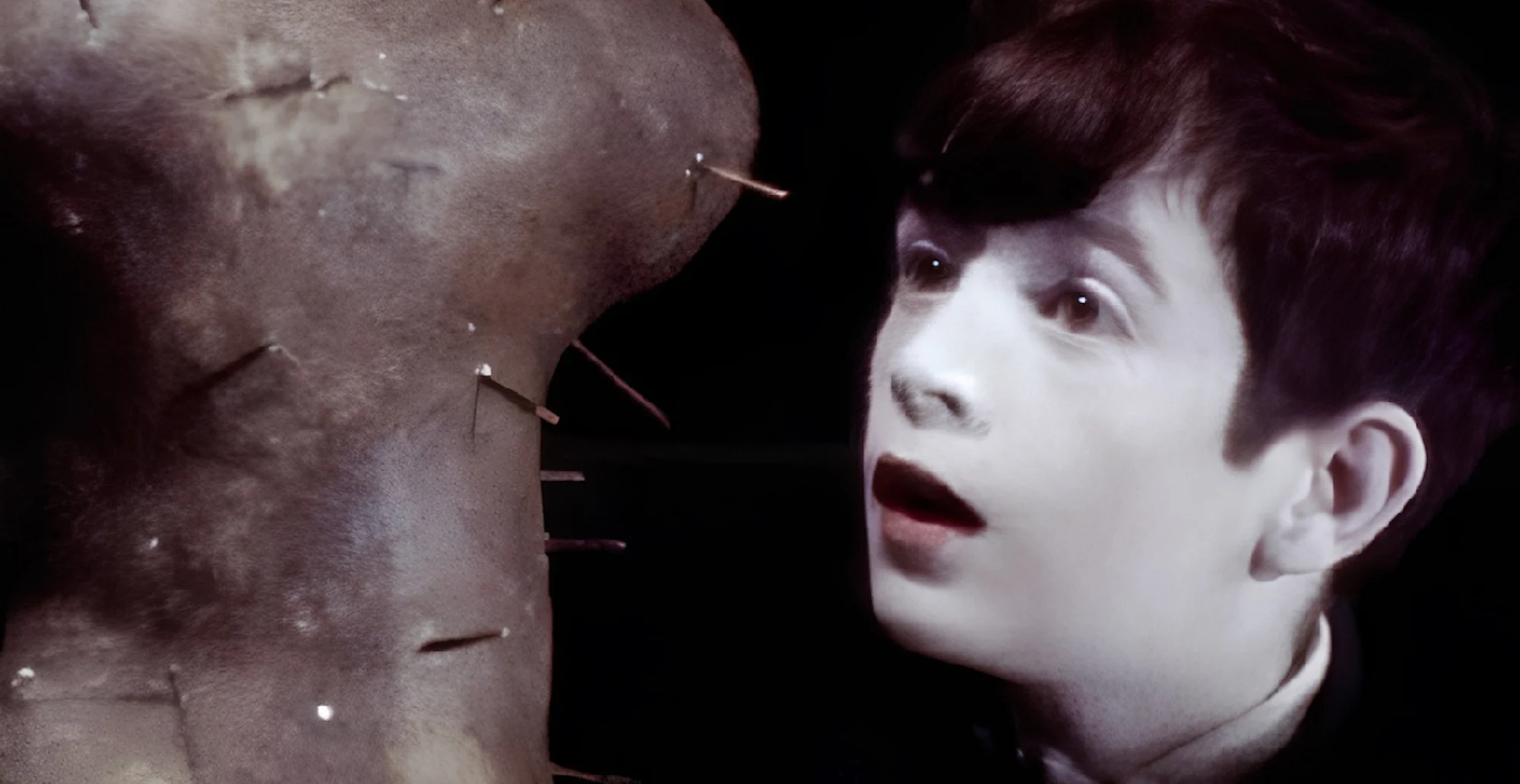
Join the team for a night of bold and experimental cinema at Fringe Flicks. Immerse yourself in a captivating evening of unconventional films that challenge the norm and spark conversation. The night begins with David Lynch’s The Grandmother (1970), a surreal blend of live-action and animation that delves into themes of trauma, isolation, and connection. This haunting short film offers a glimpse into the early brilliance of one of cinema’s most iconic filmmakers.
The experience continues with a line-up of compelling short films from around the world and Liverpool, celebrating the weird, the subversive, and the imaginative.
5. Jazz Sabbath – Liverpool Philharmonic Hall Music Room (11 February)
This tongue-in-cheek show is helmed by pianist Adam Wakeman (Black Sabbath and Ozzy Osbourne’s solo band since 2004). Jazz Sabbath are a jazz trio from the UK that plays (instrumental) jazz interpretations of Black Sabbath songs, exploring the boundaries between jazz and the songs that defined heavy metal, echoing already present jazz riffs and discovering new ones.
Presenting themselves as a jazz trio formed in 1968 and being the original writers of the tracks, later made famous by Black Sabbath, they released their self-titled debut album in 2020.
6. Farah Al Qasimi: Everybody was Invited to a Party, Bluecoat (11 – 23 February)
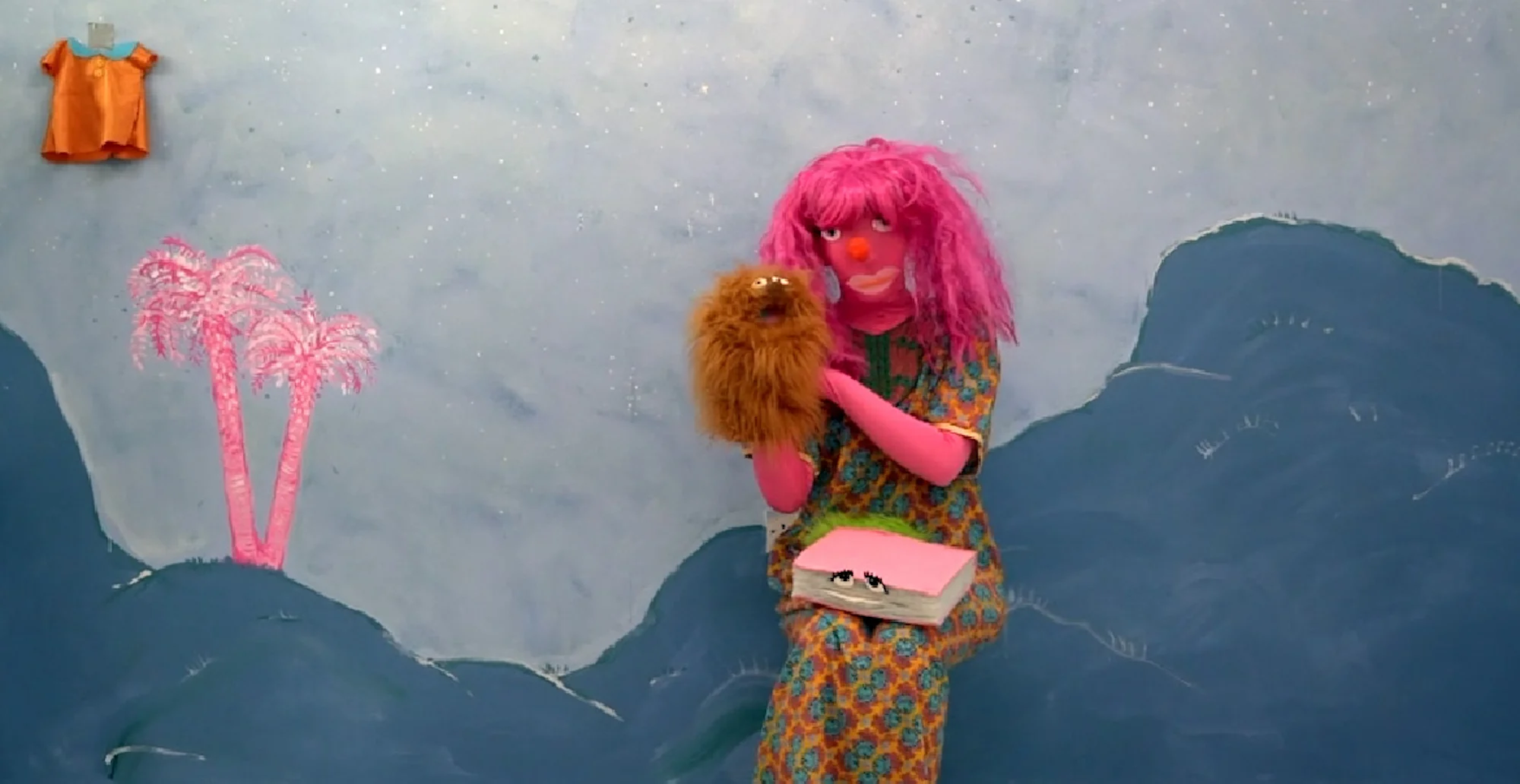
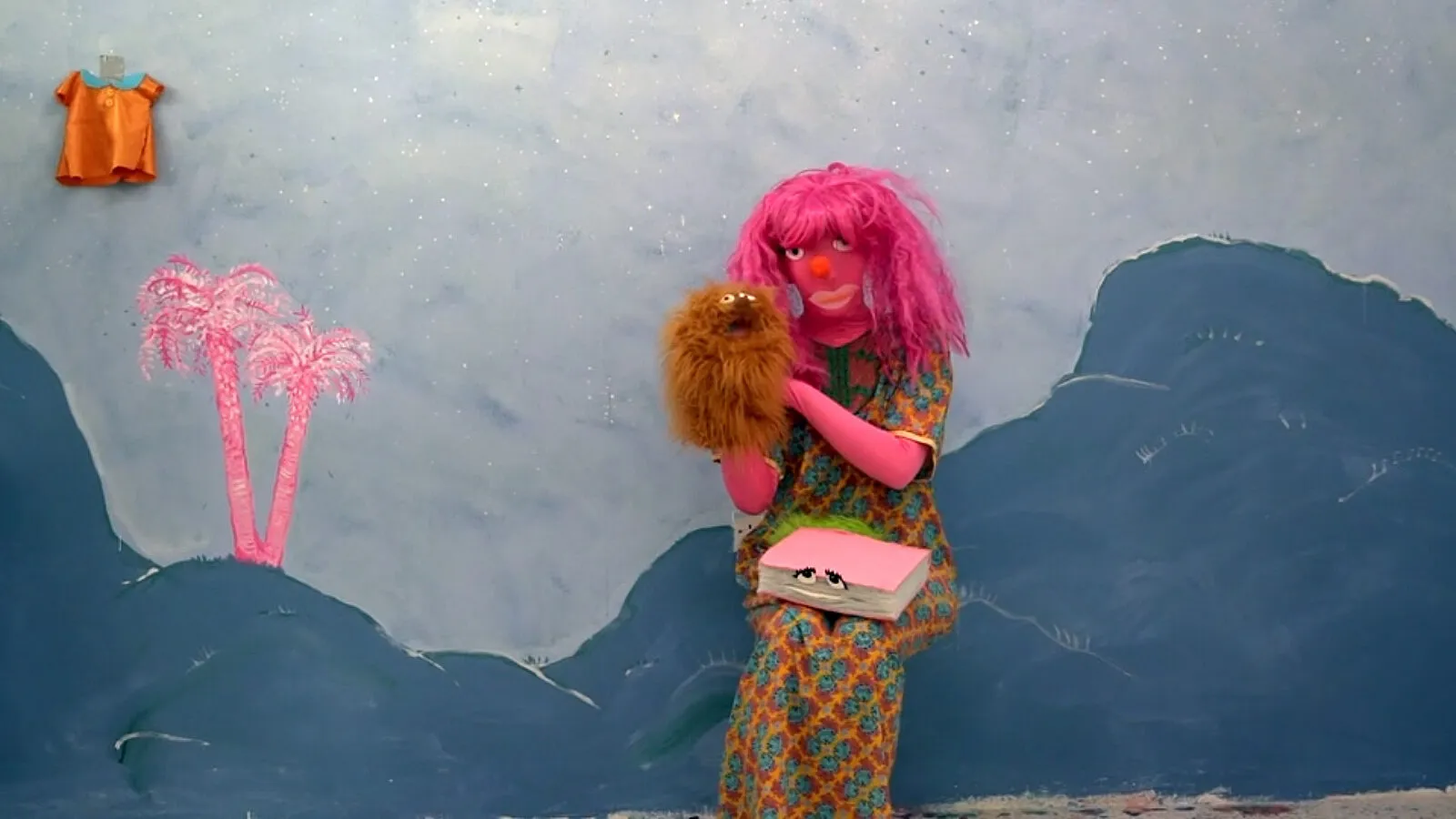
Following on from Lee Tsai, the Bluecoat will screen Farah Al Qasimi’s Everybody was Invited to a Party, which takes inspiration from ‘Iftah Ya Simsim’, a 1980s Arabic version of Sesame Street, and borrows text from translation books found in London.
The film features hand-sewn puppets, voiced by the artist, and captures moments where language falters and breaks down, but in doing so opens up new avenues of meaning. The slippages in language, mispronunciations and awkward translations build a world of melancholy and humour. Everybody was Invited to a Party also features music composed and performed by Al Qasimi.
7. Williamson Art Gallery Spring 2025 Exhibitions (12 February – 20 December)
Williamson Art Gallery and Museum will open for 2025 with six brand-new exhibitions. These include new presentations of rarely-seen works from their collections, immersive experiences, and celebrations of contemporary art from across the Liverpool City Region.
The 80th anniversary of the death of Wallasey-trained war artist Albert Richards will be commemorated in an exhibition and you can take an immersive journey into the inner worlds of soil and the subconscious mind in Subterranean Elevator by Di Mainstone.
Two further exhibitions will celebrate contemporary North West artists: Un/Earthed – A Retrospective by Landlines Studio will immerse visitors in the creative process of Angela Stringer and Nicky Perrin plus award-winning photographer Marge Bradshaw has worked with Liverpool Trans and Enby FC, visually documenting participants’ stories of participating in football at the grassroots club.
Also, an extraordinary life will be celebrated in Elizabeth Smolen: Trailblazer. Smolen was a Polish refugee who settled in Birkenhead and became a champion scooter racer and successful businesswoman.
8. Love Folk Fest 2025, The Atkinson (14 – 15 February)
Join the team at The Atkinson for the much-loved annual Love Folk Festival 2025; a celebration of traditional, upcoming and alternative folk music. Headliners Alex Hart and Blue Rose Code are joined by Greenman Rising, Suthering, and a host of other artists. It’s the perfect opportunity to discover new folk music and enjoy some of the classics.
In addition to the main stage, Fatea will once again be hosting the Busk Love Folk acoustic stage. Throughout the festival, the Studio and Theatre Bar will be offering refreshments, with guest ales from Southport Brewery.
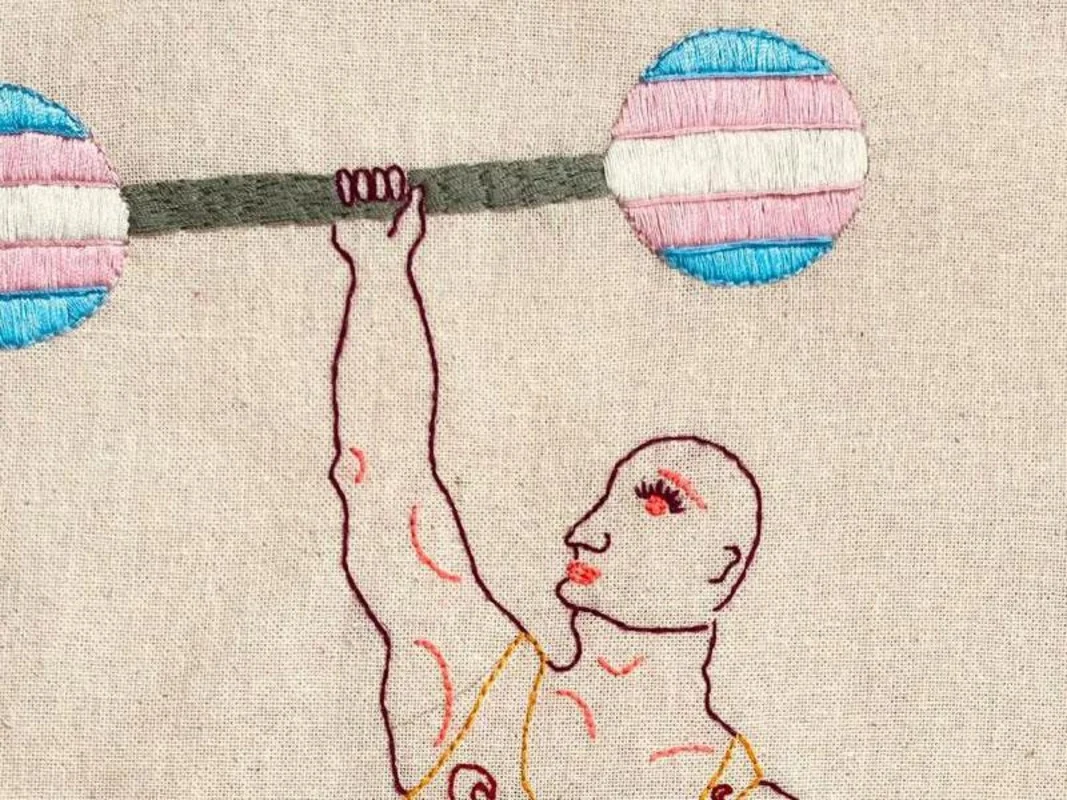
9. Queer sew and sew embroidery workshop with Nicole Marnell, Museum of Liverpool, (15 February)
Join Nicole Marnell at the Museum of Liverpool to celebrate LGBTQ+ History Month with a fabulous embroidery extravaganza! Unleash your creativity and celebrate diversity at their vibrant embroidery workshop, where you’ll learn the art of stitching and embroider your very own empowering tote bag.
Whether you’re a needlework novice or an embroidery enthusiast, this fun and inclusive workshop is the perfect place to express yourself and make new friends.
10. Creative Pattern Design, dot-art, Victoria Gallery and Museum (15 February)
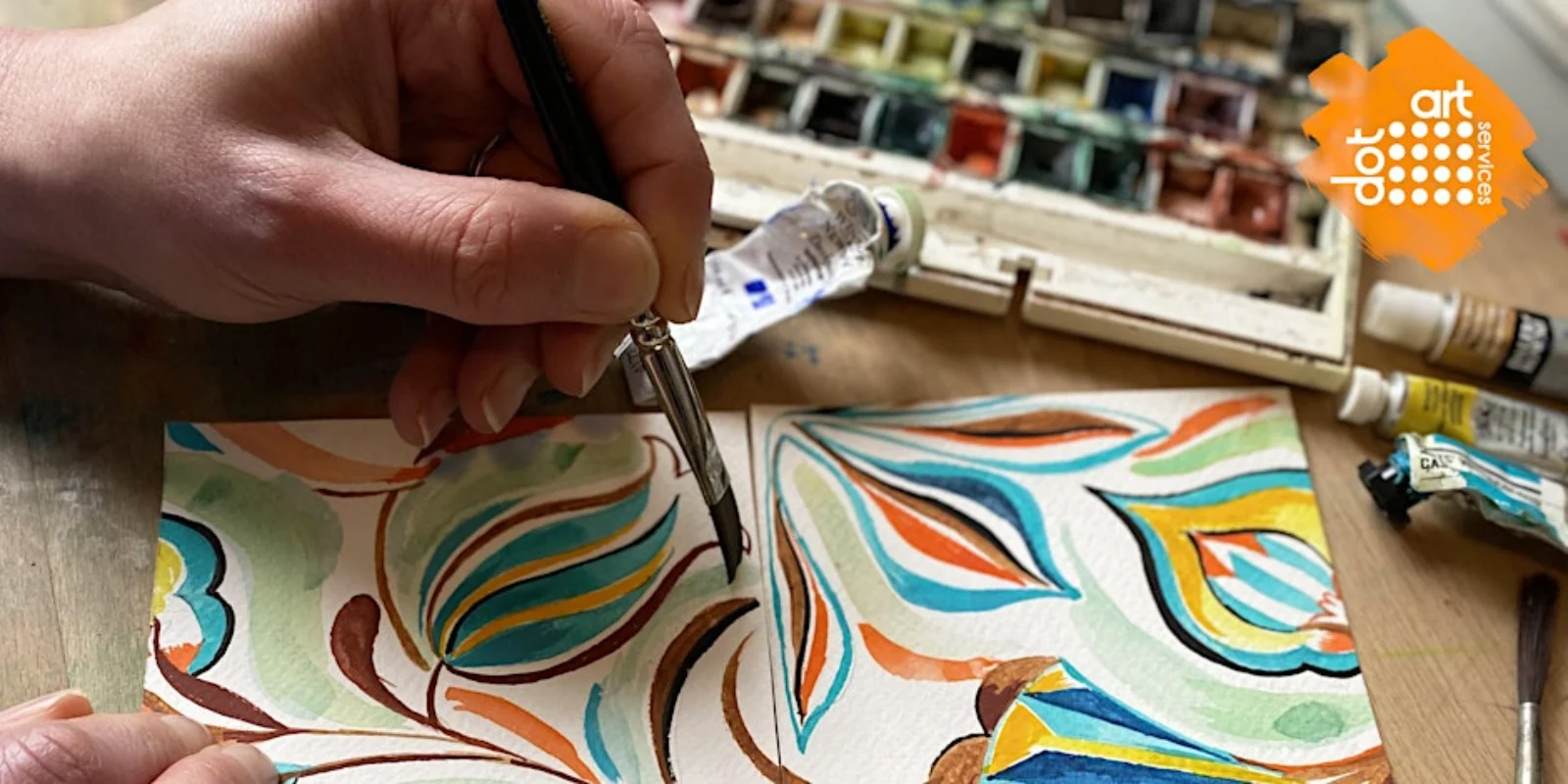
Use the amazing backdrop of the Victoria gallery and museum to inspire your own original patterns for print design. This dot-art Creative pattern design workshop is inspired by the amazing interior treasures of the Victoria Gallery and Museum. Suitable for both newcomers / beginners or those with experience wanting to expand on their skills and knowledge. This workshop is Ideal for anyone who loves print and pattern and who would love to learn how to make their own designs.
The beautiful interior of Liverpool’s Victoria Gallery and Museum is a rich Aladdin’s cave of decorative treasures and sure to provide plenty of inspiration.
11. Weird and Wonderful Festival (21 – 23 February)
The Weird and Wonderful Festival is a bold new celebration of creativity, bringing together avant-garde artists, pioneers, and innovators, created by The Studio Below. Featuring mesmerising short films, enthralling theatre, captivating puppetry, and powerful spoken word, this festival is a tribute to the arts that push boundaries and challenge norms.
12. FACT’s Exhibitions (21 February – 11 May)
Bahar Noorizadeh – Free to Choose 2023. Courtesy of the artist
If you’re looking for thought-provoking things to do in Liverpool and the region, FACT’s latest exhibitions are a must-see. Presenting two solo exhibitions exploring media, technology, and global politics: Safe Zone by Christopher Kulendran Thomas and Free to Choose by Bahar Noorizadeh are not to be missed. Kulendran Thomas, a British artist of Sri Lankan Tamil descent, examines imperialism and Western individualism through AI-driven video works and paintings. Noorizadeh, a UK-based artist and filmmaker, presents her financial sci-fi opera exploring capitalism and neoliberal economics. Both exhibitions mark their UK premieres at FACT.
13. Pulp Idol 2025 Grand Final (21 February)
The Pulp Idol 2025 Grand Final is set to showcase the best new novelists in the Liverpool City Region. After competing in twelve heats, twelve finalists will battle it out for the title at Liverpool’s Royal Court Theatre Studio on Friday, 21st February. This long-running competition has launched the careers of several successful authors and continues to uncover fresh literary talent. Join the event to support emerging writers and witness the next big name in fiction!
To discover 150+ things to do in Liverpool and the city region check out our What’s On Listings.
Loved: I thoroughly enjoyed An Evening with Talking Heads (which was made up entirely of a cast of current and ex-MAD students) and the What Happens Next competition by Tip Tray Theatre, both hosted at The Hope Street Theatre. Stocking Fillersat Liverpool’s Royal Court Theatre was another highlight, directed by my brilliant colleague, Sam Donovan.
Looking forward to: I’m particularly excited for On The Banks of The Royal Blue Mersey (despite being a Red!), Someone You Loveby SevenBlu3, Northern Comedy’s No Sex Please, We’re British– all at Hope Street – and The Merchant of Venice 1936at the Playhouse, and The Peaceful Hour at Liverpool’s Royal Court.
Trivia: Next year marks the 25th anniversary of Performers Theatre School, which has introduced thousands of children to drama, dance, and singing. We began on Bold Street in 2001 and moved into our current studios on Hope Street in 2015, which are also home to MAD in the evenings and Rare Studio BTEC and Intensive students on weekdays. The opening of The Hope Street Theatre in 2017 helped transform the building into a vibrant creative hub. It’s been incredible to see the space evolve into a thriving centre for the arts, with so many talented people coming together to create and share their work. And now, with amazing food courtesy of the Arts Bar, there’s truly something for everyone here, from aged 2 to 99!
This week’s Culture Radar guest is the Executive Director,Collective Encounters, Tessa Buddle.
Loved: I’ve been on maternity leave for the best part of a year so I’ve been loving our region’s family friendly cultural offer. Favourites have been Sling and Swing It (a baby-wearing dance class) run by Travelled Companions at 24 Hope Street, the brilliant Africa Oyé, the seasonal rituals at Squash Liverpool, and Collective Encounters’ sound journey ‘Voices on the Streets’ – a great way to connect with the city while on a pram walk!
Looking forward to: I can’t wait to get out and see some theatre. For starters, the new season at Unity is looking really good and I’m eagerly awaiting the DaDaFest programme.
Trivia: Did you know Collective Encounters is 21 this year? We’ve got some exciting plans to mark the occasion including the launch of a new digital archive documenting two decades of theatre for social change in the Liverpool City Region.
Keep in touch
Newsletter
Sign up to keep up to date with what's on in the city and the region!