The Making of The Access Manifesto: How 20 Stories High and Graeae Theatre Created A Blueprint For Inclusive Arts

The Access Manifesto - Outreach Session
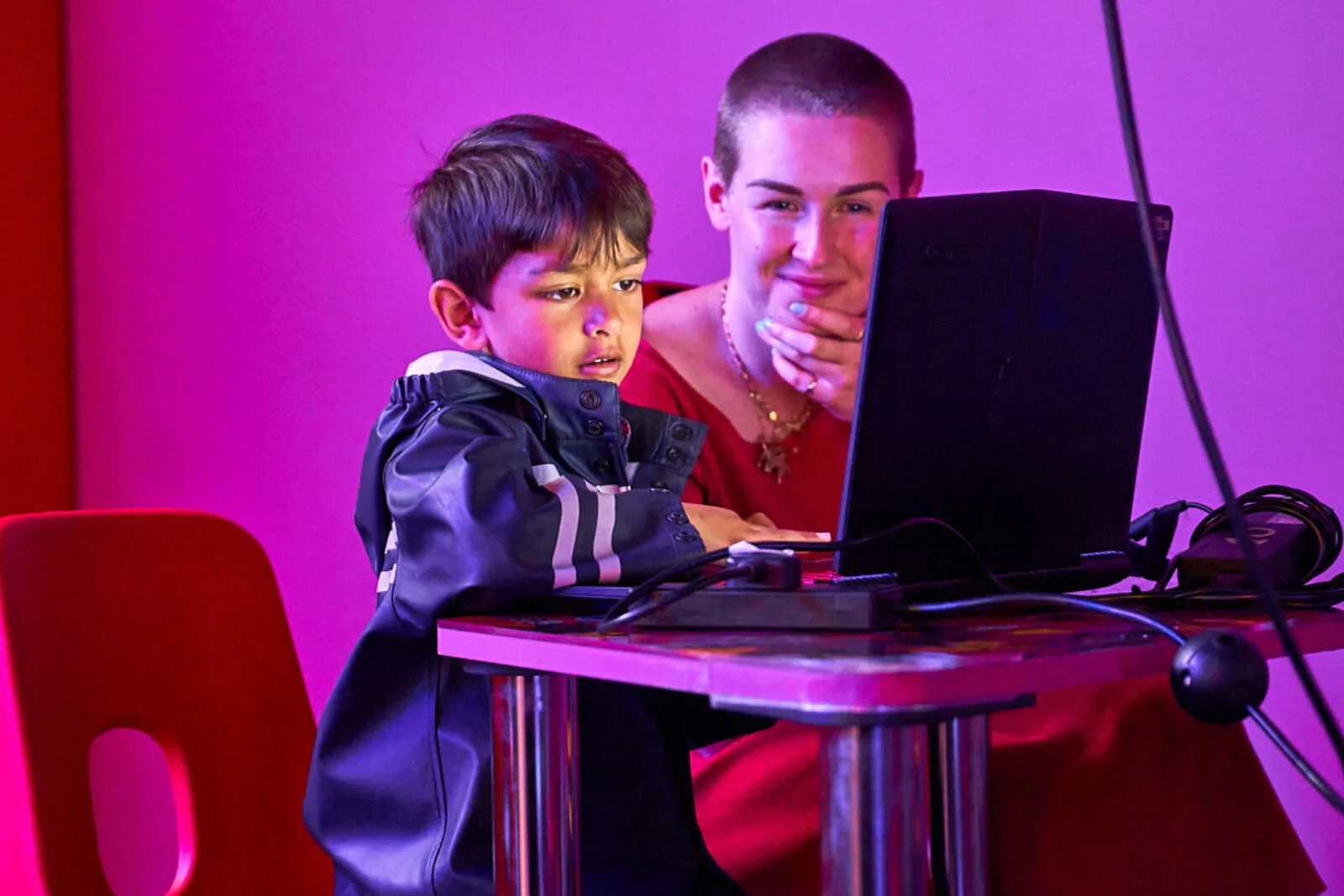
Participants getting involved in one of the 20 Stories High and Graeae outreach sessions

“A reassuring reminder of how many organisations and creatives within our community want to continue to curate access-informed spaces.” Claire Beerjeraz

The Access Manifesto is a bold call to action for greater inclusivity in the arts, developed by 20 Stories High and Graeae Theatre Company. Shaped by the voices of young Deaf, Disabled, and neurodivergent people, the manifesto provides a practical framework for arts organisations to create truly accessible spaces. Here’s the story of how The Access Manifesto was created.

How High Times and Dirty Monsters Led to The Access Manifesto

The Access Manifesto was created after 20 Stories High and Graeae Theatre Company collaborated on their award winning show High Times and Dirty Monsters in March 2023. This production explored the challenges faced by young Deaf, Disabled, and neurodivergent people today. To create this show, they worked with over 60 young people and young adults from across the UK, including Liverpool, London, Leeds, Chester, and Manchester.

Through workshops, research and development weeks, and one-to-one sessions with young Disabled people, the teams listened to their lived experiences, thoughts, and feelings to shape the show. This process gave 20 Stories High and Graeae the opportunity to connect with more young people and make sure their voices were at the heart of the production. The show explored key issues around disability, the education system, family, work, the cost of living crisis, and parenthood, highlighting the intersections of Disability and everyday life.

Through these conversations, it became very clear that change was urgently needed, especially in the arts sector.

The Access Manifesto Outreach Event
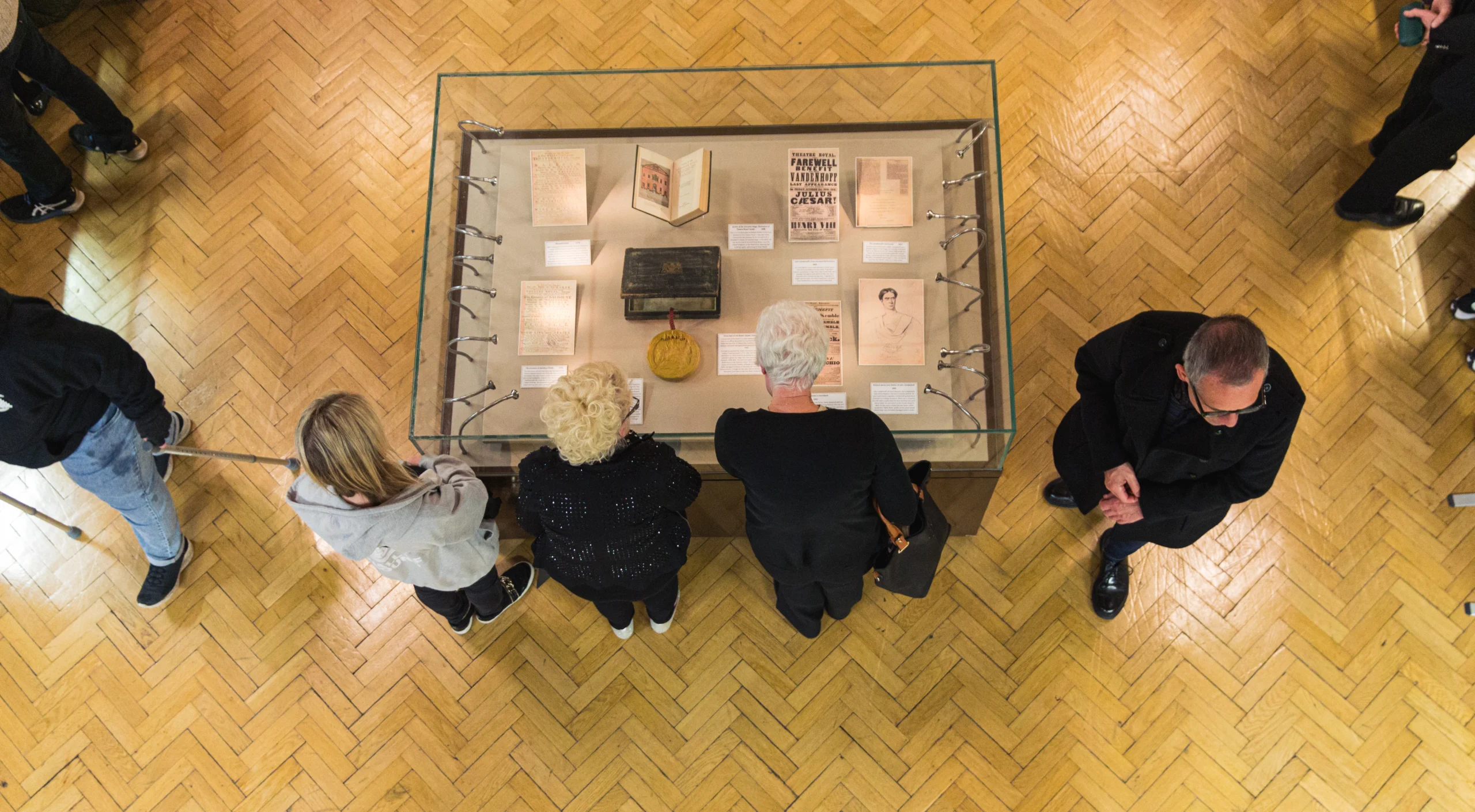
The Access Manifesto Screening and Workshop event at the Museum of Liverpool

Listening, Creating, and Taking Action: The Birth of The Access Manifesto

Maisy Gordon, an actor in High Times and Dirty Monsters, and Ayzah Ahmed, a Graeae Young Company member, recognised the need for continued activism. They found that many arts spaces were not only failing them but were also neglecting the majority of disabled people they worked with.

20 Stories High and Graeae led sessions in Liverpool and London to learn more about how young disabled people feel within theatres and the arts. The sessions were focused on creativity and discussion. The participants in the sessions created poetry, music, artwork, devised scenes, stand up comedy and wrote songs in response to the conversations that took place.

“One of the biggest topics that came up in the workshop was how few disabled people are seen on stage. It’s not just about young disabled creatives needing to see people like them in the arts, but also about young disabled people wanting to see themselves in stories and characters, just like everyone else. The lack of representation is really harmful to disabled people in our community. It makes us feel invisible and excluded. Representation matters, and right now, there’s a big gap that needs to be filled.”Maisy Gordon

Ayzah and Maisy then collected all of the thoughts, ideas, and provocations to develop a practical, step-by-step guide aimed at helping arts organisations and venues take significant strides toward making the arts more accessible for young audiences, participants, and artists. This is how The Access Manifesto was born, a tool made by those who are directly impacted to inspire and guide the arts sector towards a more inclusive future. 

The Access Manifesto Film Screening at Museum of Liverpool
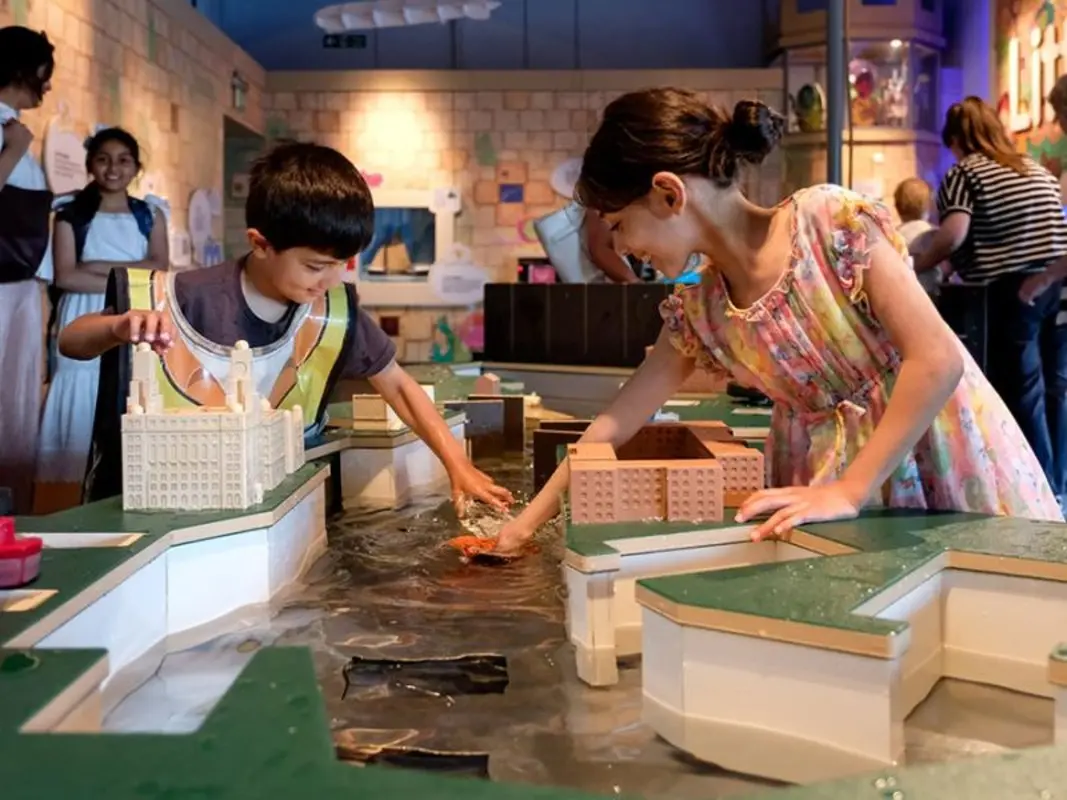
The Access Manifesto screening and workshop at the Museum of Liverpool

The Access Manifesto Screening & Workshop Event

In January, 20 Stories High in collaboration with Graeae Theatre Company held a screening and workshop event for The Access Manifesto. The event was open to artists, organisations and leaders to come together and watch the film, learn about the available resources and share learning around accessibility. Taking place at the Museum of Liverpool, the event had over 60 creatives attend, and start to take action.

“It was fantastic to go to 20 Stories High’s Access Manifesto launch event and see so many local theatres and arts organisations fully engaged in coming up with solutions to remove barriers for disabled creatives and audience members.”Laurance Clark

Hosted by Paislie Reid, Maisy Gordon and Jayden Reid, the event allowed participants to start working on their ‘access tracker’, a resource available online that helps plan accessibility improvements for the short and long term. 

“In the lead up to the event I felt safe to ask for what I needed and this was fully supported. It was so useful to talk to other organisations big and small about how they are currently making lasting change and what initiatives they are using to do so. It was a safe, supportive and innovative space.”Abigail Middleton, Liverpool’s Royal Court

The Access Manifesto screening and workshop also saw 23 individuals and organisations pledge to follow the manifesto, and continue to develop their accessibility going forward.

The Access Manifesto Screening
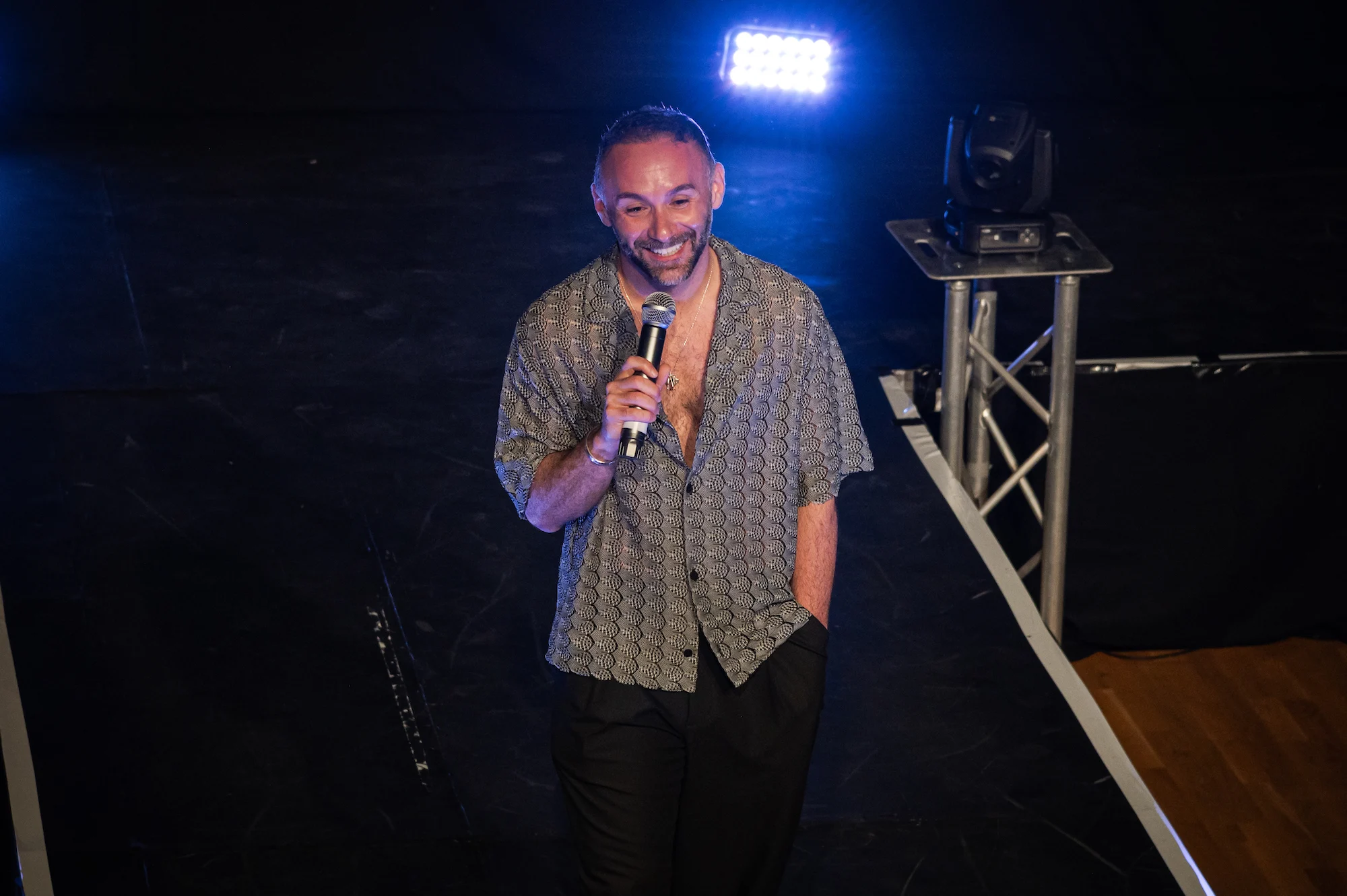
Left to Right: Maisy Gordon and Paislie Reid of 20 Stories High, speaking at The Access Manifesto screening and workshop

The Access Manifesto Film & Resources

The Access Manifesto is a film performed and written by Ayzah Ahmed and Maisy Gordon, and interpreted by Jayden Reid that features poetry and 8 Manifesto points. The Manifesto can also be accessed as a document in various different formats including large print, dyslexia friendly and easy read. You can watch or read The Access Manifesto here.

Since the launch of The Access Manifesto in July 2024, Maisy Gordon has worked with the organisations to release multiple guides and resources to accompany the film. These were aimed at spreading more awareness around disability, access and how to practically use The Access Manifesto as a tool. 

A highlight of these is the ‘Using The Access Manifesto’ guide, a document that goes into more detail about each manifesto point in a practical way and gives examples of free and paid ways you can improve access in your venue, organisation or practice.

Pledge to Follow The Access Manifesto

20 Stories High and Graeae are inviting individuals and organisations to join in a collective effort to promote accessibility in the arts. By pledging to follow The Access Manifesto, you’ll play an active role in helping to create lasting, meaningful change in the sector.

To pledge, visit 20storieshigh.org.uk and check out The Access Manifesto page.

Buried Treasure With Arts Groupie CIC: Voices From The Past – Authors On Authors

By John Maguire

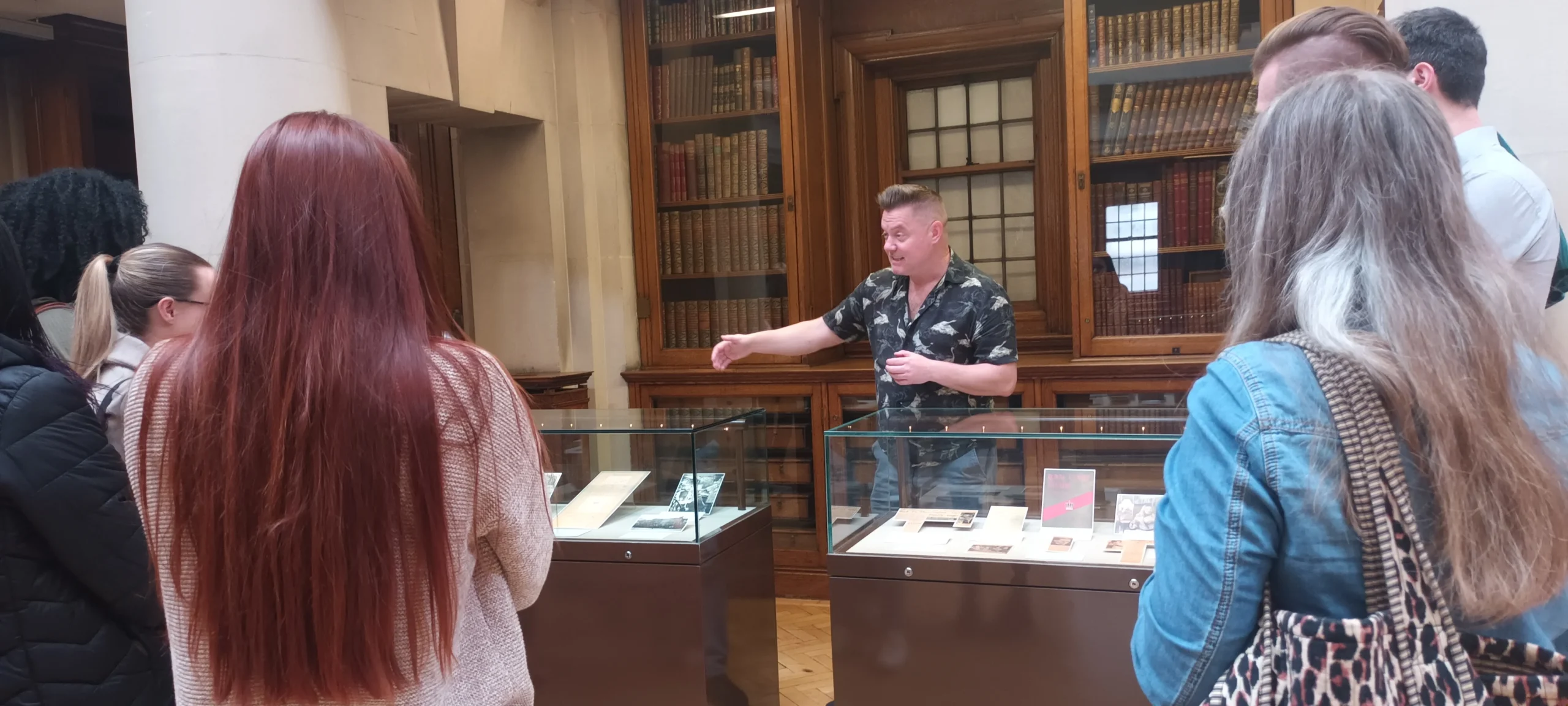
Buried Treasure With Arts Groupie CIC Voices From The Past – Authors On Authors - Liverpool Central Library

With World Book Day coming up on 6 March 2025, this month we decided to look at some Buried Treasure that stems from the writing desks of Liverpool. We asked our friends at Liverpool Literary Agency, a collective of contemporary writers about the local authors from the past that encouraged them to pick up the writing pen.

J.P Maxwell

JP Maxwell

Nicholas Monserrat wrote The Cruel Sea about the Battle of the Atlantic in WWII, which made the water itself the villain as a force of nature. Monserrat was born on Rodney Street and himself served during the conflict. This book was an early read which stuck in my head, especially during choppy ferry crossings to Ireland which I frequently made as a kid. No U-boats or Destroyers on the Irish Sea though, only fellow passengers swilled up on Guinness and Paddy Whiskey.

Flash forward to now and seafaring – or rather control of the sea – is at the heart of my two books; Water Street and The Americans of Abercromby Square. The advent of the screw propeller in the mid-19th Century was every bit as important as the railway in terms of how modern trade developed. Throw in slavery that was at the centre of the American Civil War and the transition of the United States into a superpower and it all boils down to that cruel sea, mistress of vast wealth and mass diasporas at the same time.

Zoe Richards 

Author Zoe Richards

I’ve been influenced by a number of northern authors, and it’s been difficult to pick just one, but I’m going to go with a playwright. In about 1987 or 1988 (it was a long time ago!) I met Willy Russell at an event at his son’s school (a friend of mine taught at the school). He talked a bit and then he performed from Shirley Valentine, and I forgot he was a man reading the part of a woman because of his sensitivity with his words and performance. He was totally relatable and real. His writing was sharp and witty and tight, and he personally was kind and generous.

That event one summer’s evening inspired me and kept me going with my writing, albeit it took me a long time to realise my own dream. but Willy Russell showed me that ordinary people from ordinary northern backgrounds could weave our way in what felt like a very southern centric world.

Zoe’s Garden of Her Heart is available via uclanpublishing.com/book/garden-of-her-heart/

John Maguire

The Liverbird By John Maguire

For me, it has to be George Garrett.

Ten Years On The Parish is a work that reveals hardships and unflinching observations of the poverty experienced in Liverpool between the World Wars. The book illustrates an uncompromising, graphic account of the unemployed struggle in Liverpool and the first Hunger March of 1922.

Garrett’s writing reveals a man of principle and a character that demands admiration. In his writings we see the very essence of the indefinable Liverpudlian spirit, which contains toughness blended with a subtext of tenderness.

Garrett wore many hats in his lifetime and is a working class renaissance man for he was a merchant seaman, a writer, a playwright, a radical activist and a founder member of Liverpool’s Unity Theatre. Which according to Alan O’Toole, ‘took both literature and the ‘message’ straight to the people on the streets.’

His catalogue of work, despite the hardships he suffered, is exceptionally impressive. Penning three plays overtly influenced by the new realism of American playwright Eugene ONeill (writer of acclaimed ‘Long Day’s Journey into the Night,’ recognised by the actress Jessica Lange as the greatest American play).

I have been influenced by his attitude of getting things done and also juggling many different projects weaving a tapestry of  a creative career.

His approach inspired me to write my love letter to Liverpool, blending magic realism, humour and urban folklore in my novella The Liver Bird.

Keep an eye out for World Book Day Events in the Liverpool city region via our What’s On listings.


Culture Radar – Ted Gray (The Studio Below & Make It Write Productions)

Ted Gray The Studio Below & Make It Write Productions - Culture Radar

This week’s Culture Radar guest is writer, director and artist, as well as a Director of Make It Write Productions and The Studio BelowTed Gray.

Loved: I saw The Feral Parakeet at the Smithdown Arts Hub where poetry, words and avant-garde jazz improvisation merged. It was inspiring. Time talking with my friend and fellow writer, Sue Comer, about what we write and why. I went wassailing down south in the freezing cold, a reminder of origins.  When possible, I go to any of the galleries to quieten my mind.  A pint in The Caledonia – beer, conversation and music.

Looking forward to: The WOW Pulp Idol Grand Final full of brilliant new writers but I’m in The Studio Below that weekend for the Weird and Wonderful Festival (I’ve a tiny part in Mick Francis’ Wheat is What We Eat and I’m also directing Lauren Blakeway’s The Fox). Opening our new premises on Wood St for rehearsal and performance. Liverpool International Jazz Festival. A long way off yet but the Liverpool Fringe gets better each year.

Trivia: I write to the sounds of discordant, arrhythmic jazz. My pet’s names reveal my like of absurdism – Mortimer, Vic and Bob. Art changes the world so never stop being a revolutionary. The other side of my brain loves a good spreadsheet. Street protest politics brought me to theatre.

Culture Radar – Kate Allerston (A Place For Us CIC)

Kate Allerston of A Place For Us CIC
Credit: Stevie Hines

This week’s Culture Radar guest is the Artistic Director, A Place for Us Theatre, Kate Allerston.

Loved: I have really enjoyed the NPO events programme at Norton Priory in Runcorn, where I have been fortunate to be one of the Artistic Directors, along with my husband Chris Bastock, in 24/25. This includes the events around the Gaia (Earth) installation, the outdoor and indoor theatre & concerts programme and the events currently around the Mars installation (until 9 March 2025).

Looking forward to:  I am really looking forward to being at Shakespeare North Playhouse for several of our productions this coming summer.

Trivia: I have been an actor & director for over 30 years, starting at the Liverpool Playhouse Youth Theatre as a young teen, then went on to study acting in London at LAMDA, lived/worked  in London for all of the 90s and early naughties and was one of the founder artistic directors of the now international and Shakespeare Schools Festival (now Coram Shakespeare Schools Foundation) and returned to work in the arts across the LCR in 2005.

Culture Radar – Nick Rogers (The Hope Street Theatre)

Nick Rogers - The Hope Street Theatre

This week’s Culture Radar guest is the Director of The Hope Street TheatreMerseyside Academy of Drama (MAD), Performers Theatre School, and Olivier award-winning theatre company, Papatango, Nick Rogers.

Loved: I thoroughly enjoyed An Evening with Talking Heads (which was made up entirely of a cast of current and ex-MAD students) and the What Happens Next competition by Tip Tray Theatre, both hosted at The Hope Street Theatre. Stocking Fillers at Liverpool’s Royal Court Theatre was another highlight, directed by my brilliant colleague, Sam Donovan.

Looking forward to: I’m particularly excited for On The Banks of The Royal Blue Mersey (despite being a Red!), Someone You Love by SevenBlu3, Northern Comedy’s No Sex Please, We’re British – all at Hope Street – and The Merchant of Venice 1936 at the Playhouse, and The Peaceful Hour at Liverpool’s Royal Court.

Trivia: Next year marks the 25th anniversary of Performers Theatre School, which has introduced thousands of children to drama, dance, and singing. We began on Bold Street in 2001 and moved into our current studios on Hope Street in 2015, which are also home to MAD in the evenings and Rare Studio BTEC and Intensive students on weekdays. The opening of The Hope Street Theatre in 2017 helped transform the building into a vibrant creative hub. It’s been incredible to see the space evolve into a thriving centre for the arts, with so many talented people coming together to create and share their work. And now, with amazing food courtesy of the Arts Bar, there’s truly something for everyone here, from aged 2 to 99!

Culture Radar – Tessa Buddle (Collective Encounters)

Tessa Buddle
Credit: Jazamin Sinclair

This week’s Culture Radar guest is the Executive Director, Collective Encounters, Tessa Buddle.

Loved: I’ve been on maternity leave for the best part of a year so I’ve been loving our region’s family friendly cultural offer. Favourites have been Sling and Swing It (a baby-wearing dance class) run by Travelled Companions at 24 Hope Street, the brilliant Africa Oyé, the seasonal rituals at Squash Liverpool, and Collective Encounters’ sound journey ‘Voices on the Streets’ – a great way to connect with the city while on a pram walk!

Looking forward to: I can’t wait to get out and see some theatre. For starters, the new season at Unity is looking really good and I’m eagerly awaiting the DaDaFest programme.

Trivia: Did you know Collective Encounters is 21 this year? We’ve got some exciting plans to mark the occasion including the launch of a new digital archive documenting two decades of theatre for social change in the Liverpool City Region.

Lunar New Year 2025: Celebrations in Liverpool and the City Region

Chinese New Year Celebrations
Credit: Culture Liverpool

Liverpool and the city region is set to celebrate the Lunar New Year with a vibrant mix of events that honour Chinese traditions, culture, and community spirit. The Lunar New Year officially begins on Wednesday, January 29, but the city’s main festivities will take place on Sunday, February 2, offering something for everyone.

From lively parades and cultural workshops to creative activities and traditional performances, Liverpool’s Chinatown and beyond will host a series of free and ticketed events to welcome the Year of the Snake.

Here’s a roundup of the events happening across the city:

Chinese New Year: Activities in Chinatown (1 February)

Chinese New Year Saturday Activities
Credit: Culture Liverpool

A small selection of family-friendly workshops and craft stalls will take place in Chinatown on Saturday 1 February, 12pm – 4pm. This programme offers a quieter alternative to Sunday’s proceedings, without firecrackers and loud music performances, ensuring everyone can join in the fun.

Legends of Spring – Bombed Out Church Projection Show (1 & 2 February)

Lunar New Year 2025 - Legends of Spring Projection Show

A stunning projection show will take place at St Luke’s Bombed Out Church, brought to life by Focal Studios to celebrate the Year of the Snake. Presented like a video game, Legends of Spring guides audiences through mythical stories of creation, renewal, and balance.

Developed in partnership with Pagoda Arts, the narrative combines traditional Chinese folklore with a celebration of Liverpool’s rich cultural heritage. Adding a fun twist, retro 8-bit video game art created by local schoolchildren and community groups enriches the story.

This is an outdoor event, so please dress warmly and wear sturdy footwear.

5:30pm – 9pm (running on a continuous loop each evening)
FREE – no tickets needed, just come along.

Liverpool’s Chinese New Year Celebrations (2 February)

Chinese New Year Celebrations
Credit: Culture Liverpool

The streets of Chinatown will be filled with the sights and sounds of traditional Lion, Dragon, and Unicorn dances. This free event is perfect for families and visitors looking to immerse themselves in the celebrations. There will also be family-friendly workshops and craft stalls.

Liverpool’s Bring the Fire Project are also returning to celebrate the Lunar New Year 2025 with their latest spectacular fire production, ‘Serpentine Flames: A Fiery Tribute to the Year of the Snake’ during the finale at Great Georges Square at 4:30pm.

Chinese New Year Crafts (1, 8 & 22 February)

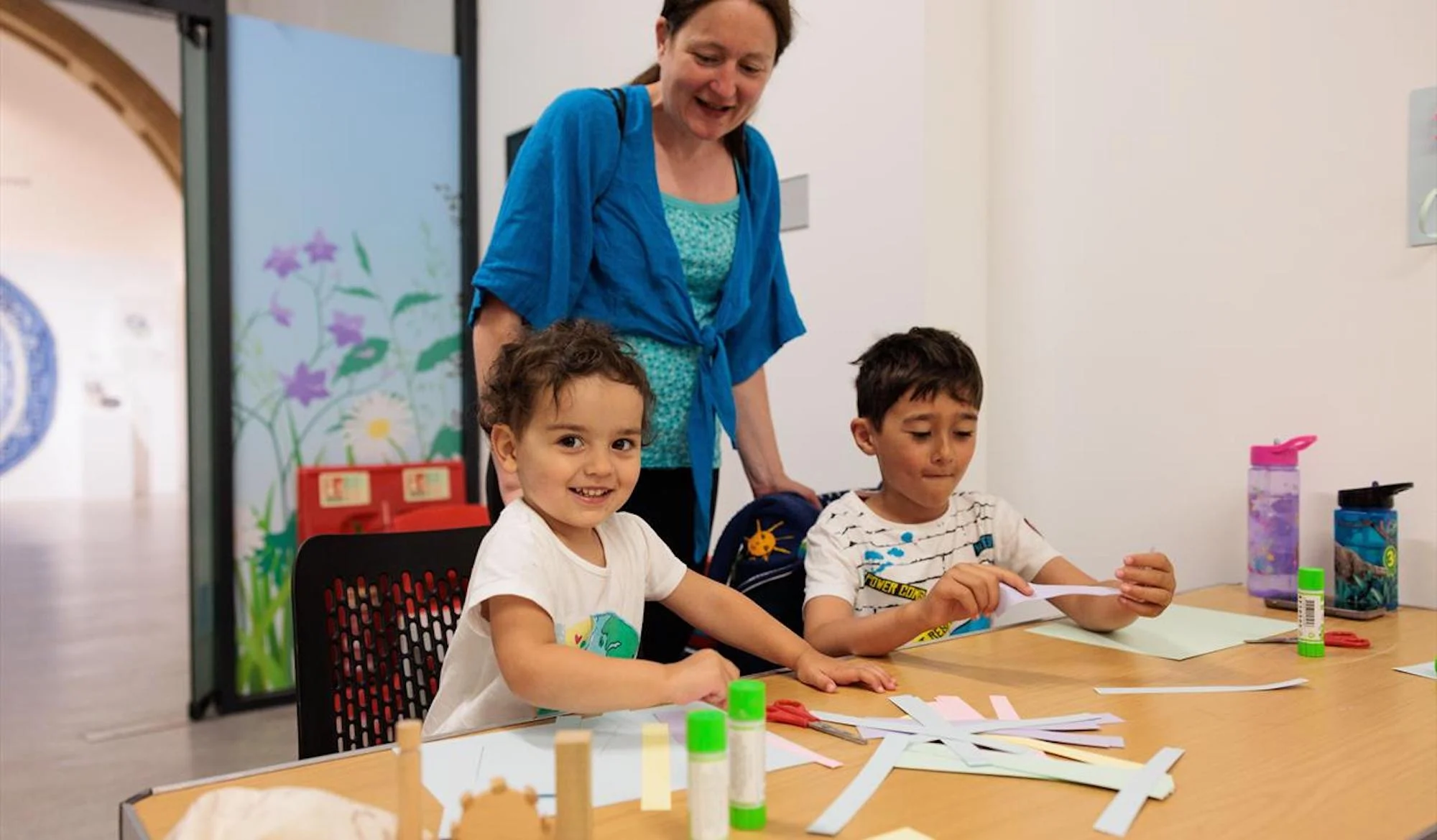
Museum of Liverpool - Lunar New Year Crafts

Drop into the Museum of Liverpool for free craft sessions that invite families to create their own New Year decorations. Sessions run between 11 am and 12 pm, and from 1 pm to 4 pm.

Chinese Calligraphy with Pei Yee Tong (8 February)

Chinese Caligraphy at Bluecoat

This Chinese Calligraphy Workshop led by artist Pei Yee Tong is a hands-on session where participants will explore the fundamentals of the art form, focusing on symbolism, stroke techniques, and ink control methods. Whether you’re a beginner or have some prior experience, this workshop will guide you through each stage of the process. By the end of the session, you’ll create your own piece to display or gift.

Chinese calligraphy, a key part of the nation’s cultural heritage, connects us with thousands of years of tradition, history, and philosophy.

Lunar New Year at the Lady Lever Art Gallery (15 February)

Lunar New Year at the Lady Lever Gallery
Credit: Gareth Jones

Celebrate the Year of the Snake with a day full of cultural activities at the Lady Lever Art Gallery. Enjoy dance performances by the Wirral Chinese Cultural Association, hear the legend of the Zodiac Race, and participate in themed crafts.

Lion Dance Workshop (19 February) & Lion Dance Performance (23 February)

Credit - Culture Liverpool
Credit: Culture Liverpool

Learn the art and history behind the traditional Lion Dance at this interactive workshop at the Museum of Liverpool. Kids will get hands-on experience with lion puppets and drums, creating a truly unforgettable cultural moment. Then on 23 February the dazzling Lion Dance will be performed by the Hung Gar Kung Fu School.

This list will be updated as more events are announced, so check back for additional details and visit our What’s On event listings to discover more events happening across the city region.

Leading Diversity and Inclusion at National Museums Liverpool: An Interview With Dr Rebecca Loy

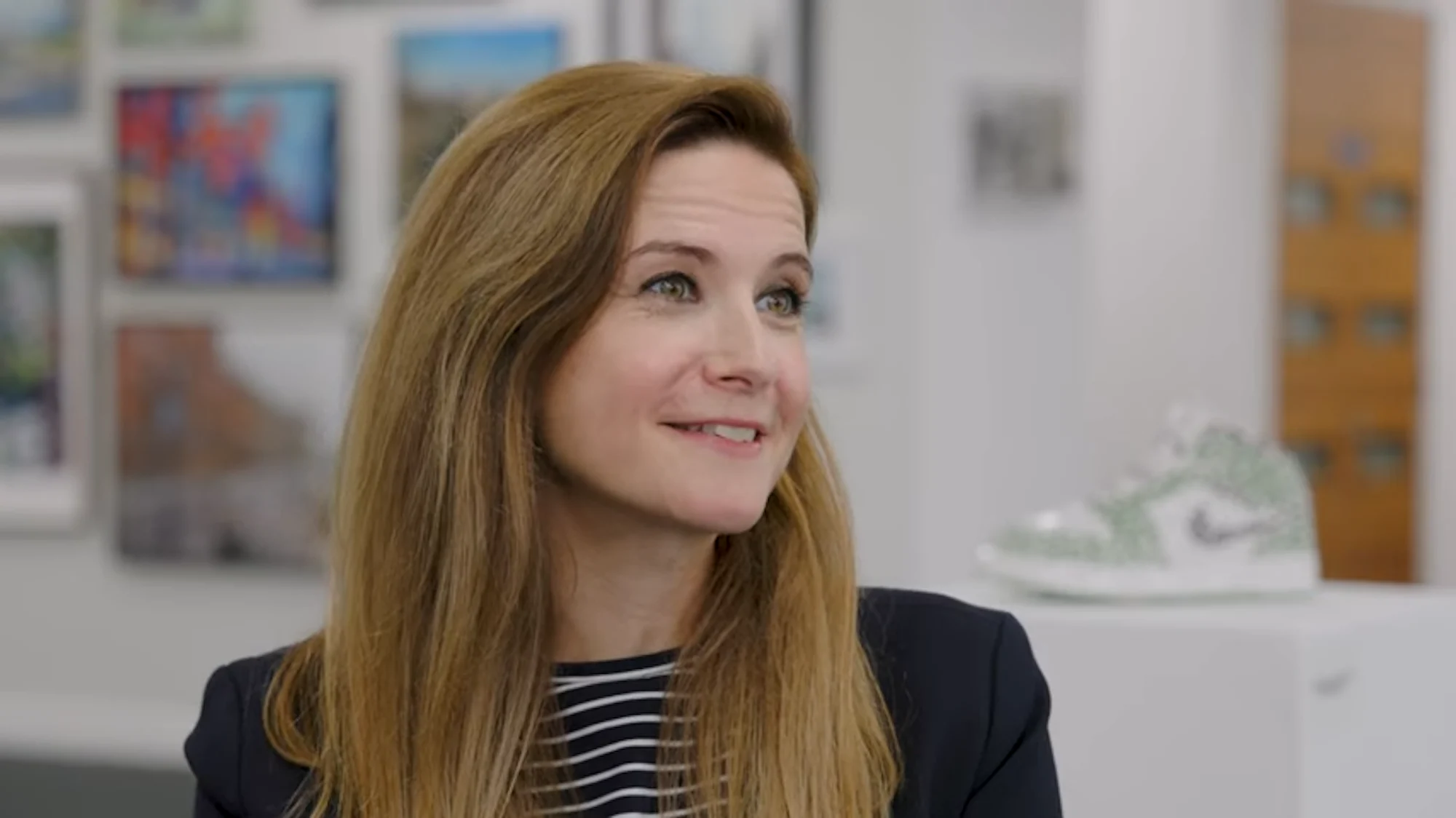
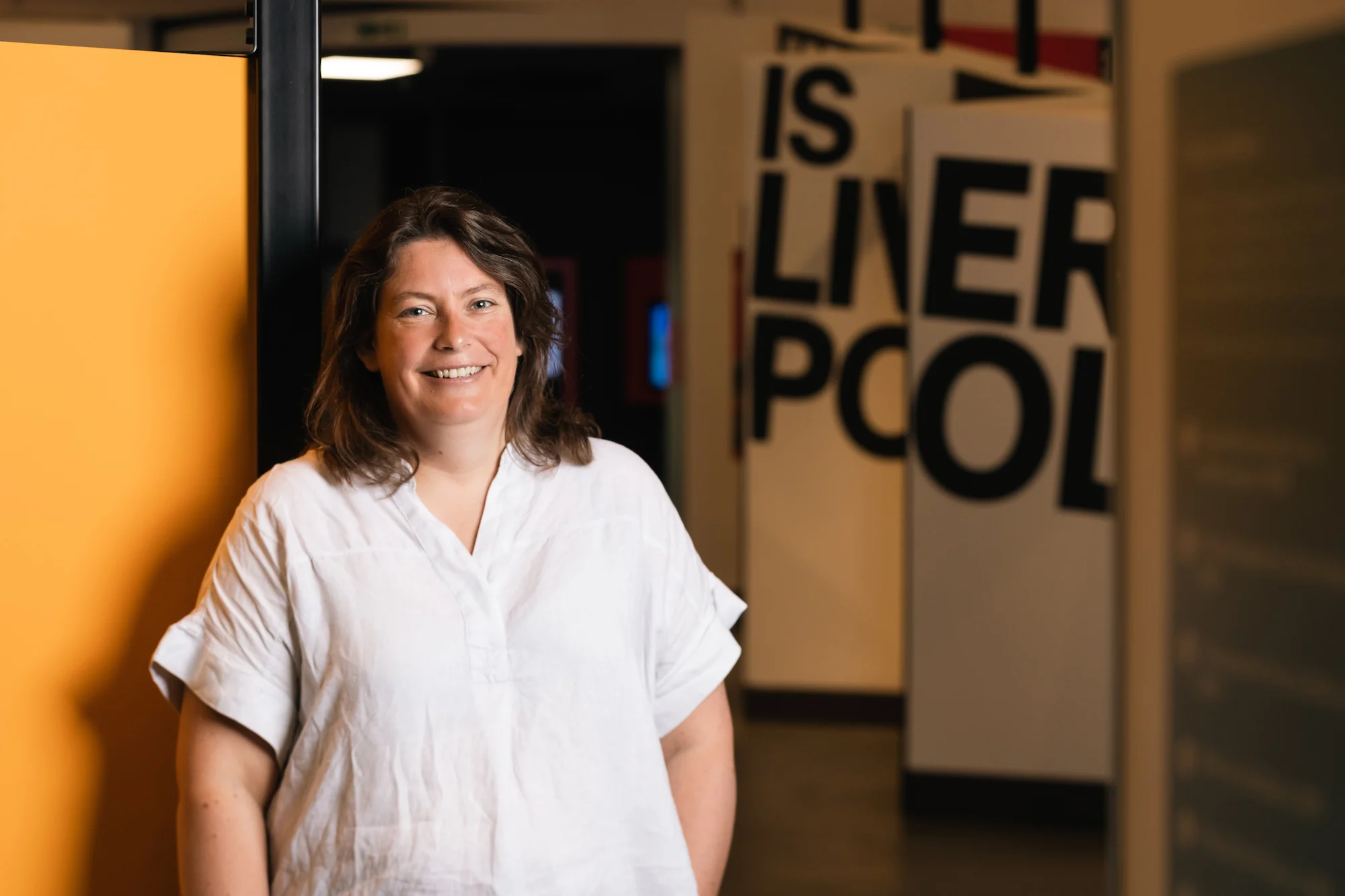
Dr Rebecca Loy

As the Diversity and Inclusion Partner at National Museums Liverpool, Dr. Rebecca Loy is at the forefront of creating positive change, both within the organisation and across communities. Drawing from her extensive background in social justice, Dr. Loy is focused on making National Museums Liverpool more accessible and representative of people and of the diverse stories they hold. In this conversation, she discusses the evolving role of diversity in museums and the impact of inclusive policies on both employees and visitors.


“I saw firsthand how policies impact lives, which influenced my focus on social justice.”


Uncover Liverpool: Can you tell us a bit about your background and what led to your current role as the diversity and inclusion partner at Liverpool museums?

Dr Rebecca Loy: I grew up in Liverpool 8, as a mixed-ethnicity child with two visually impaired parents. With both of my parents being disabled, I had a very interesting childhood and I was aware of certain differences. I did straddle the line between a carer and a child at the same time. Obviously my parents did a great job at looking after me, but there were certain aspects of my life where I had to be more responsible for myself from a younger age. And I was just aware of the differences between me and my friends growing up. 

My upbringing made me aware of societal differences from a young age. My parents were highly qualified but faced barriers until the Guaranteed Interview Scheme (Disability Confident Scheme). I saw firsthand how policies impact lives, which influenced my focus on social justice.

Though I didn’t start working in diversity and inclusion right away, my work as an ESOL (English for Speakers of Other Languages) teacher opened my eyes to the challenges faced by marginalised groups. I worked with teenagers and adults, a lot of them from war-torn countries, some of whom would struggle with learning English, because they’d never been in a classroom before. Some had post-traumatic stress disorder because they’d been in labour camps in Libya, and they couldn’t get to class on time because they’d have nightmares every night.

That opened up a whole new world to me and I started to do things outside of my job, with charities, using my degrees in Psychology and Philosophy and my master’s in Sociology and Social Policy. I was working on a PhD in Sociology and I started advising charities here and there and it led me into a role in diversity, equity and inclusion.


Museum of Liverpool. Credit @eyeswidephotography
Museum of Liverpool. Credit: @eyeswidephotography


“Sometimes we think we know about a period like the Tudors, but the museum is getting better at telling the diverse stories of people like John Blanke, pirate women, and LGBTQ+ court officials.”


Uncover Liverpool: What does your role entail on a day to day basis?

Dr Rebecca Loy: It’s really, really varied. Firstly, there’s the creation of structures for people to belong at work and then there’s advising everybody within the organisation on how to create those same structures for our visitors. 

There’s the internal work of creating the structures to make our museums more accessible for people, whether that’s due to their literal accessibility in terms of physical ability or disability, or in terms of neurodivergence, or in terms of people feeling they’re able to belong because of their identity, whether it’s gender identity, their sexual orientation, or because of their ethnicity. 

It’s also consulting with different areas of the business on how diversity and inclusion should influence their roles. I’ll have conversations with the social media team about messaging, or I’ll be speaking with health and safety, the estates teams, and the exhibitions teams, around our buildings and accessibility. Discussing with them how they’re planning an exhibition, what they’ve written for the displays of an exhibition. I get to go and look at an exhibition and talk to the teams about things like sensory maps, audio descriptions and how we are considering the lighting we use, for example. All of these elements are becoming general practice now. 

Additionally, I get to advise people on types of things that we do within our projects, encouraging them to reflect on the stories within the stories. Our Tudor exhibition is a great example of this. There were stories of pirate women and of LGBTQ+ court officials. There were stories of all the ambassadors of different countries the Tudors were in conversation with and we highlighted the significance of the Black British court musician John Blanke. Transatlantic slavery began at that time, too. Sometimes we think we know about a period of time like the Tudors but there are so many stories within a story, and the museum is getting better and better at telling those stories.

Another aspect of the role is working on the strategy, which is about to be released this Winter. I’m also creating training and writing policy, so there’s a lot to consider.

It’s really interesting, because I think there are certain diversity and inclusion roles which are doing the internal side of the role, but in my role I’m working on both the internal and the external sides. I think it’s a nice balance for me, and it makes it really interesting.


Conversations Exhibition At National Museums Liverpool's Walker Art Gallery. Credit - Pete Carr
Conversations exhibition at the Walker Art Gallery. Credit: Pete Carr


“Everyone has to recognise their privilege and use it to support change.”


Uncover Liverpool: How do you define Diversity and Inclusion in the context of museums?

Dr Rebecca Loy: When I came into the museum I changed our definition, from D&I to ABIDE: Allyship, Belonging, Inclusion, Diversity, Equity. I like ABIDE because it includes allyship as well. Being an ally means that you recognise your own privilege. Everybody has privilege. Anytime you belong to a dominant group, you have privilege. As an example I may have privilege because I’m heterosexual or because I’m able bodied. Everyone has to recognise where their privileges lie. 

We can then think about how we can support others in creating change for those who don’t have that same privilege. We’re talking about everybody’s individual onus to see that there are privileges, which means that there are injustices and everyone’s got a personal responsibility to recognise that within their workplace, and that should help inform their work practice. 

Specifically, museums are inherently colonial. Every single site in the museum has legacies and links to Liverpool’s history of transatlantic slavery and colonisation and a lot of our artefacts have these links too. For us, diversity and inclusion has to represent that history, because a lot of that history, why the museums look so opulent is because there was an injustice done to groups of people across the world. We have to be really open about that, and we can be at the forefront of saying there’s a vast amount of wealth here, because of a lot of injustices.

We have to show the full context of those stories, and decontextualising history, pulling out the stories of why the world is the way it is. That’s a big part of the role of museums, as well as trying to be at the forefront creating positive change through our own practice. Our aim is to be at the forefront and leading best practice and change. 


Lady Lever Art Gallery. Credit - Pete Carr
Lady Lever Art Gallery. Credit: Pete Carr


“We aim to be in contact with every single school in the city, and through that, we are engaged with communities, but we also go out and work specifically with different communities, creating allyship through co-production and co-creation.”


Uncover Liverpool: How do you engage with the diverse communities of Liverpool to ensure their representation and involvement in museum activities.

Dr Rebecca Loy: This is something that is our bread and butter practice. We have an amazing Learning and Participation Team which leads really well at engaging with communities from around the city and some of that is through our schools programmes. We aim to be in contact with every single school in the city, and through that, we are engaged with communities, but we also go out and work specifically with different communities.

We do a lot of programming around Pride Month, International Transgender Day of Visibility and Black History Month and we look at specific times of the year, and have a programme of activities planned well in advance.

We also look at the principle of co-production and of co-creation, working with these communities to produce some of the work that you’ll see in the museum, so again, it’s creating that allyship. 

Sometimes we’re not running an event, we’re providing the space. We’ve had takeover days in the museum where an organisation can come in and use the space in the way they wish to run the events that they think are most appropriate. 

We have three specific external stakeholder groups, the Respect Group, which looks at improving anti racism within the museum and across the city. We have the LGBTQ+ external stakeholder group and the Access and Representation of Civil Stakeholders. We have individuals and members of organisations, who we meet with either monthly, Bi-monthly or quarterly and they critique our museum practice. They tell us where we need to make changes, how we need to improve things. 

But we also work with them to talk about issues for example in the Access and Representation group we’re talking about what plans are in place for Disability History Month and how we can work together. 


International Slavery Museum Liverpool


“To me, the future of diversity and inclusion in museums looks like it becoming more embedded into daily practice—not just in how we represent people in our galleries, but in how we give back and feed into our communities.”


Uncover Liverpool: What does the future of diversity and inclusion in museums look like?

Dr Rebecca Loy: I think it’s going to grow. To me it looks like diversity and inclusion becoming more embedded into the daily practice of the museum. That’s where my key interest lies. A key area of growth for me is social value.

We have the Waterfront Transformation project, which is a massive capital project. One of the things that I’ve been leading on with Dr Liz Stewart, the Head of Museum of Liverpool, is social value and feeding back into the communities that we serve as a museum. There’s been some really interesting work that we did through the Ken Dodd Happiness exhibition where we used social value. We worked with organisations such as Bridge and Thrive CIC. It was looking at how we could better serve our communities’ mental health, and give opportunities.

We want to make sure that our procurement practices include diversity and inclusion. It’s not just how we represent people in our galleries but also, how are we giving back and feeding into our community?

We’re currently co producing our policies and frameworks with communities. We’re asking people ‘What do you want to see?’ ‘How should that work?’ We’re having that as a two-way conversation for how that policy and framework is created so that by the time the procurements go out for the International Slavery Museum, that stage of the Waterfront Transformation Project work is in place, which will enable us to really make sure that we are feeding back into our communities in every way. 


Merseyside Maritime Museum - @Eyeswidephotography
Maritime Museum & International Slavery Museum. Credit: @eyeswidephotography


“The more diverse voices we hear, the more we learn, and the better we can represent people. Lending your voice to the conversation helps us improve.”


Uncover Liverpool: How can the public support and contribute to diversity and inclusion efforts at local museums?

Dr Rebecca Loy: Lending their voice and getting involved. We constantly have calls out for projects that we’re doing and the more people that we’re able to engage with across the city, the more voices that inform our projects, which are trying to represent the communities we serve.

We’ve currently got the Conversations exhibition, (until 9 March ‘25) at the Walker Art Gallery, which is fine arts by black British women and non- binary artists. When we were curating the exhibition, there was an opportunity for co-production so people in the community could get involved in understanding how we produce the exhibition. The more diverse voices we get to hear, the more we learn, the more diverse thoughts are in the room, the better we get to represent people. I think lending your voice to the conversation and giving your opinion helps us improve.


Dr Martin Luther King Jr Building


“It’s a beautiful thing to have a diverse workplace and to become a better version of yourself by including, supporting, and platforming others.”


Uncover Liverpool: And finally, is there anything else you’d like to share with our readers about your work and the importance of diversity and inclusion in museums.

Dr Rebecca Loy: We can’t underestimate the importance of diversity and inclusion work within a workplace. The business case for diversity and inclusion is the more diversity you have in the room, the more successful your business is going to be. It’s been proven time and time again. That should encourage you to go on your diversity and inclusion journey, but that is the absolute minimum. Hopefully, what motivates you is actually the belief in having equal opportunities for everyone. I really hope that what people will do is from a sense of ethics and a sense of justice. 

There are so many people who need to be represented and who deserve to be employed and they’re going to make your workplace better. It’s a beautiful thing to have a diverse workplace and to get to know people, to see yourself change for the better because you get to interact with people who aren’t like you, to go on that learning journey and become a better version of yourself by including others and by supporting others and by platforming others. 

As a campaigning museum and as a museum that speaks so much to social justice, we want to continue those efforts. It can’t be a tick box exercise. You have to create the structures that make change, because otherwise you’ll just hire people in, and if the inside hasn’t changed, you’ll see them leave just as quickly, because it’s not a hospitable place. 

You have to be critically honest about how your business works and how that can be excluding people who are not sitting within a dominant group or a majority group. We at the museums are on that journey, we’re definitely not finished, and I don’t think anyone is ever finished.

It’s a journey that’s going to cost time and money, but it’s a worthwhile investment. We want to be the most representative museum that we can be. To do that, we have to create structures which make people feel like they belong. I have a responsibility to consult and to lead everyone else in the organisation and the departments to create those changes. 

Hopefully, in the coming years we’re going to achieve our 2030 goal of becoming the most representative museum and I have every confidence that we will get there. 

I invite other people on that journey. You can follow me on LinkedIn because I’ll be hosting Resolution Represent sessions in 2025. These sessions invite people in organisations and from across the city to come and learn with me for two hours, bi-monthly. Myself, along with some other brilliant people will train you on different aspects of diversity and inclusion. We’ve had some incredible sessions in the past and I’m looking forward to delivering them again next year. 

Culture Radar – Helen Maguire (Live Wire Dance Studio & Mersey Swing CIC)

Helen Magure - Live Wire Dance Studio & Mersey Swing CIC
Photo Credit: Barry Crabtree

This week’s Culture Radar guest is the Founder of Live Wire Dance Studio and teacher, choreographer and director at Mersey Swing CICHelen Maguire.

Loved: I’m really enjoying Sole Rebel’s monthly Tap Jams at the Caledonia. It’s a brilliant mix of dance and live jazz music and it brings together dancers from several different scenes in Liverpool. The return of Leap Festival last year was definitely a highlight. It was amazing to see so many people from different dance styles and backgrounds coming together and sharing one stage. Luma Creations Latin Festival at Future Yard in the summer was fantastic. Music and dancing in the sun is always a treat.

Looking forward to: I can’t wait to see Chuck Ragan (Hot Water Music) at District in April. Snailmania at Future Yard is always a lot of fun (live music in a wrestling ring!) and I’m looking forward to getting involved in Leap Festival again this year. I’m really excited to see Ma Bessie at Lindy in the Sky this month (shameless self plug). I’ve wanted to bring her show honouring Bessie Smith back to Liverpool for years so that’s going to be brilliant.

Trivia: Along with dancing, I also train and coach Muay Thai at the MMA academy and my dance studio Live Wire is named after an AC/DC song!

Buried Treasure With Arts Groupie CIC: Liverpool Firsts

By John Maguire

Liverpool - Creative Cultural Lively

This latest Buried Treasure feature with Arts Groupie CIC’s John Maguire, dives into Liverpool’s extraordinary legacy of “firsts.” As January marks a time for fresh starts, it’s the perfect moment to reflect on the innovations that have shaped this city’s history. From the world’s first wet dock to pioneering cultural and public health milestones, Liverpool’s impact is undeniable. Let these achievements inspire you as you embark on 2025—perhaps even sparking your own contribution to the rich tapestry of the city region.

And so, this is January, the sun so pale in the sky it takes the vitamin D from the people below, instead of giving it.

New year, New page, New Chapter. You have 365 days to use up and to contribute in your own way to your family, friends and community. 

We know that when we speak of Liverpool to a true Liverpudlian, (those who are lucky to call this fine city home), the River Mersey surfaces in their pupils. A MerseyPride that flows through our very bloodstream.

We at Artsgroupie CIC undoubtedly love the heritage of our city and for the first month of this new year we want to take a look at some of the firsts in the history of Liverpool.

1200s

  • 1282 – The first Mersey ferry is established by monks at Birkenhead Priory.
  • 1648 – The first recorded cargo from America arrives in Liverpool.

1700s

  • 1700 – The Liverpool Merchant is the First recorded Liverpool slave ship.
  • 1708 – The first reference to scouse (by Ned Ward in The Wooden World Dissected).
  • 1709 – The first cargo of cotton traded in Liverpool.
  • 1715 – The world’s first wet dock is constructed by Thomas Steers.
  • 1758 – The first circulating library opens (The Lyceum).

1800s

  • 1813 – Nelson Monument in Exchange Flags is unveiled as Liverpool’s First outdoor public sculpture, paid for by public subscription.
  • 1830 – The world’s first train shed and the First large wooden railway station roof at Crown Street Station opens. The First railway passenger fatality occurs, the unfortunate victim being a local politician by the name of William Huskisson.
  • 1838 – The first travelling Post Office (a horse box fitted out as a sorting office) goes into circulation between Liverpool and Birmingham.
  • 1840 – The World’s First scheduled transatlantic passenger service leaves, a wooden paddle-streamer Britannia owned by Samuel Cunard.
  • 1840 – The world’s first photograph developing and printing service opens.
  • 1842 – The world’s first public baths and wash-houses are founded by Kitty Wilkinson and built on Upper Frederick Street.
  • 1844 – The first girl’s day grammar school in England opens, Blackburne House.
  • 1847 – Our very own Dr William Duncan is appointed as the World’s First Medical Officer of Health.
  • 1857 – Britain’s First Chess Club (Liverpool Chess Club) are established.
  • 1859 – The first nurse to be paid for looking after the poor is employed by William Rathbone.
  • 1860 – The first purpose built public library opens in Liverpool.
  • 1861 – The first shot in the American Civil War was fired from a gun made by Liverpool firm Fawcett and Preston.
  • 1862 – The first provincial School of Nursing opens.
  • 1865 – 6th November: The Shenandoah is the last confederate ship to surrender in the River Mersey. The last action of the American Civil War.
  • 1867 – Liverpool Corporation introduced Britain’s First steamroller.
  • 1867 – The Liverpool Velocipedes became Britain’s First cycling club.
  • 1875 – The Liverpool Peace Society heralds the first disarmament campaign.
  • 1877 – The Walker Art Gallery opens its doors, the first British public Art Gallery. 
  • 1884 – Britain’s first woman to qualify as a doctor opens a practice in Liverpool.
  • 1886 – The first under-river railway tunnel is constructed under the River Mersey.
  • 1886 – The First purpose-built ambulance in Britain (at the Northern Hospital)
  • 1890 – Ex-City Engineer, John Brodie invents a game changer; Football goal nets.
  • 1892 – The first Marine Biological Station is at Liverpool University.
  • 1893 – The world’s first overhead electric railway .
  • 1893 – The League of Welldoers in Liverpool is founded by an American,  Lee Jones. 
  • 1895 – The first British School of Architecture and Applied Art opens.
  • 1896 – The first British use of x-ray in medical diagnosis.
  • 1899 – The first School of Tropical Medicine in Britain is opened in April.

1900s

  • 1900 – The largest tobacco warehouse in the world is built at Stanley Dock.
  • 1901 – The first escalator in a railway station goes into operation at Seaforth Sands Station, on the Overhead Railway.
  • 1902 – Hatton Garden Fire Station houses Britain’s First motor fire engine.
  • 1904 – The University of Liverpool is the first Academic Institution in Britain to establish a school of Veterinary Science.
  • 1909 – The First Woolworth’s opened at 25 Church Street.
  • 1909 – Eleanor Rathbone is Britain’s first woman Councillor. 
  • 1911 – The Royal Liver Building Clock, the biggest in Britain, started ticking at the exact moment of King George V’s Coronation.
  • 1912 – The first automatic telephone exchange.
  • 1913 – The world’s first crossword puzzle is compiled by Liverpool born Arthur Wynne and appeared in the New York World.
  • 1927 – Liverpool’s first Female Lord Mayor is Margaret Bevan.
  • 1927 – Bluecoat becomes the First British Arts Centre.
  • 1932 – The first purpose built boxing stadium in Britain opens its doors in Bixteth Street.
  • 1934 – The first Mersey Tunnel opened at Queensway. At the time the largest in the world.
  • 1944 – Britain’s first Chinese newspaper, Hua Chow Pao, is published.
  • 1952 – The first package holiday flight takes off from Liverpool Airport.
  • 1953 – Liverpool singer Lita Roza becomes the First British woman to top the chats with How Much is that Doggy in the Window? She refused to sing this novelty track live.
  • 1959 – Britain’s first drive-in bank opens at the National Westminster Bank, Prince’s Road.
  • 1960 – The majestic Martin’s Bank is the first financial institution in the world to use a computer. 
  • 1962 – The Mersey Docks & Harbour Company is the first port in Britain to use a computer.
  • 1964 – Liverpool became the first police force to use closed-circuit television.
  • 1970 – Britain’s first public planetarium opens at Liverpool Museum.

Now, we hope that this roll call of accomplishments will serve to inspire you and propel you forward in your endeavours in 2025. To help contribute to your community and perhaps create another First to add to Liverpool’s accomplishments.

If you are interested in heritage and would like to spare a few hours a week, our friends at The Docklands Trail are currently seeking people.

You can send an email to info@docklandstrail.co.uk for further information.